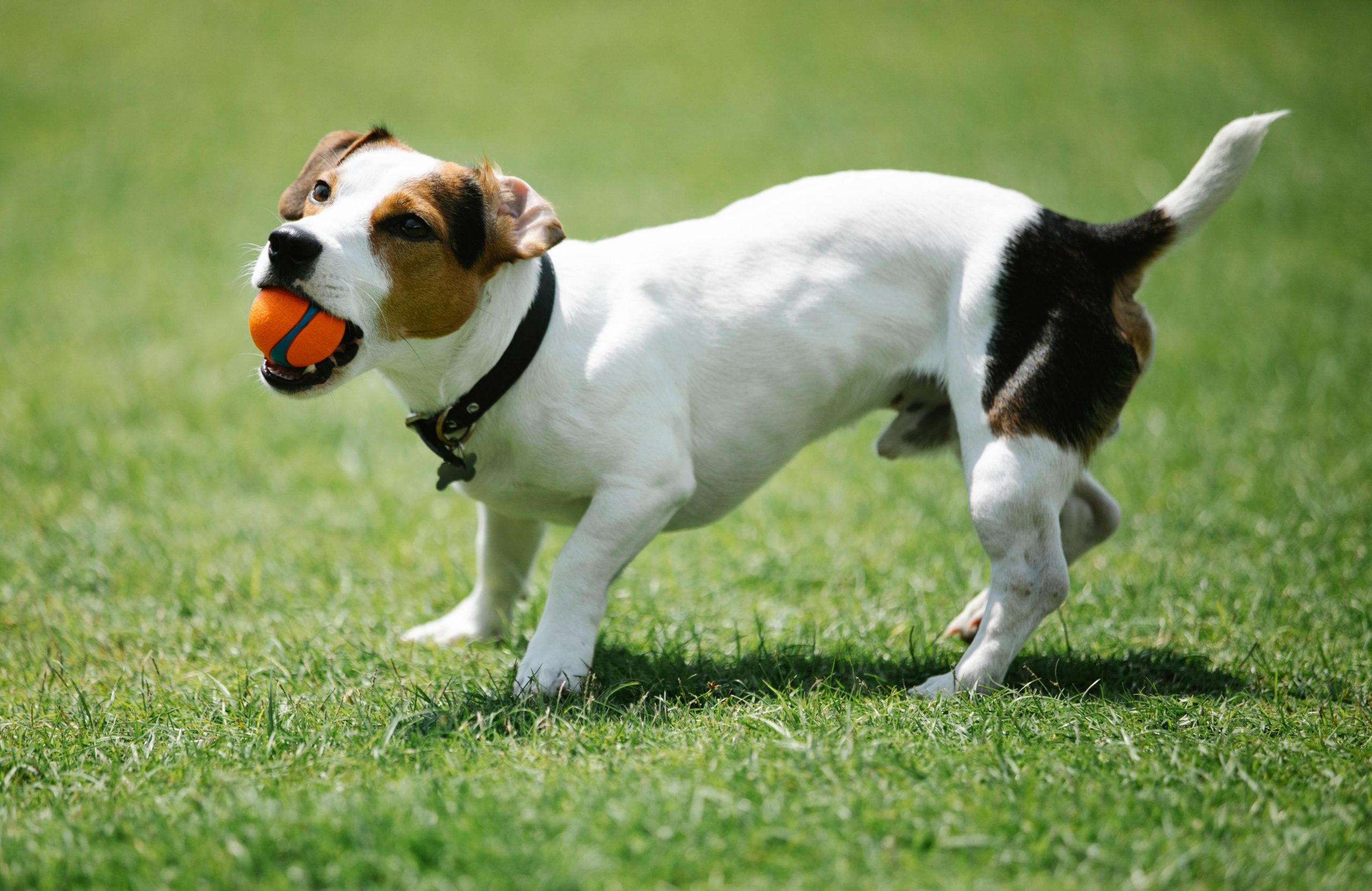

Pet Training Guide
Effective Techniques for a Well-Behaved Companion
Training your pet is an essential part of responsible pet ownership. Proper training establishes a strong bond, ensures safety, and creates a harmonious living environment. This guide focuses on dog training but includes principles applicable to other pets.
Understanding the Basics of Pet Training
Positive Reinforcement: The Foundation of Modern Training
Positive reinforcement is the most effective and humane training method. It rewards desired behaviors, encouraging pets to repeat them.
- Strengthens the bond between pet and owner
- Creates a positive association with training
- Encourages pets to think and problem-solve
- Reduces stress and anxiety
Consistency is Key
All family members should use the same commands and reward system to avoid confusing your pet. Clear rules and boundaries are essential.
Timing Matters
Rewards should be given immediately after the desired behavior to help your pet associate the reward with the action.
Essential Dog Training Techniques
1. Clicker Training
A method that uses a distinct clicking sound to mark desired behaviors. Follow the click with a reward to reinforce the behavior.
2. Crate Training
Provides a safe space and aids in housebreaking. Make the crate comfortable and never use it as punishment.
3. Leash Training
Teaches your dog to walk politely on a leash. Start in a low-distraction area and use treats to encourage good behavior.
4. Basic Obedience Commands
Essential commands like "sit," "stay," and "come" provide a foundation for advanced training.
5. Socialization
Expose your puppy to various people, animals, and environments to build confidence and adaptability.
Advanced Training Techniques
1. Agility Training
Guides your dog through obstacle courses, providing physical and mental stimulation.
2. Scent Work
Taps into your dog's natural ability to detect odors, useful for fun activities or practical roles like search and rescue.
3. Trick Training
Teach tricks like "shake" or "roll over" for mental stimulation and bonding.
Addressing Common Behavioral Issues
Excessive Barking
- Identify the cause (boredom, anxiety, etc.)
- Reward quiet behavior
- Provide mental and physical stimulation
Separation Anxiety
- Gradually accustom your pet to being alone
- Use engaging toys to keep them occupied
- Consider calming aids
Destructive Chewing
- Provide appropriate chew toys
- Increase exercise and stimulation
- Use deterrent sprays on off-limits items
The Role of Professional Training
When to Consider Professional Help
- Persistent behavioral issues
- Aggressive or fearful behavior
- Specialized training needs
Types of Professional Training
- Group classes
- Private lessons
- Board and train programs
Conclusion
Training your pet is a rewarding journey that strengthens your bond and creates a happier household. Celebrate small victories, remain patient, and enjoy the process of helping your pet grow into a well-behaved and confident companion.