
A Day in the Life of a Wildlife Rescue Volunteer
 The Early Morning Shift

As the sun rises, wildlife rescue volunteers are already hard at work. Programs like Lights Out DC begin at 5:30 AM, saving birds from building collisions. Meanwhile, others at rehabilitation centers start with a flurry of activity, prioritizing cleanliness.
 The Cleaning Routine

Cleanliness is essential in wildlife rescue, taking up 75% of a volunteer's time. Tasks include:
- Cleaning animal enclosures
- Washing food and water dishes
- Doing laundry
- Sweeping and mopping floors
Though not glamorous, these tasks ensure a safe environment for recovery.
 Feeding Time
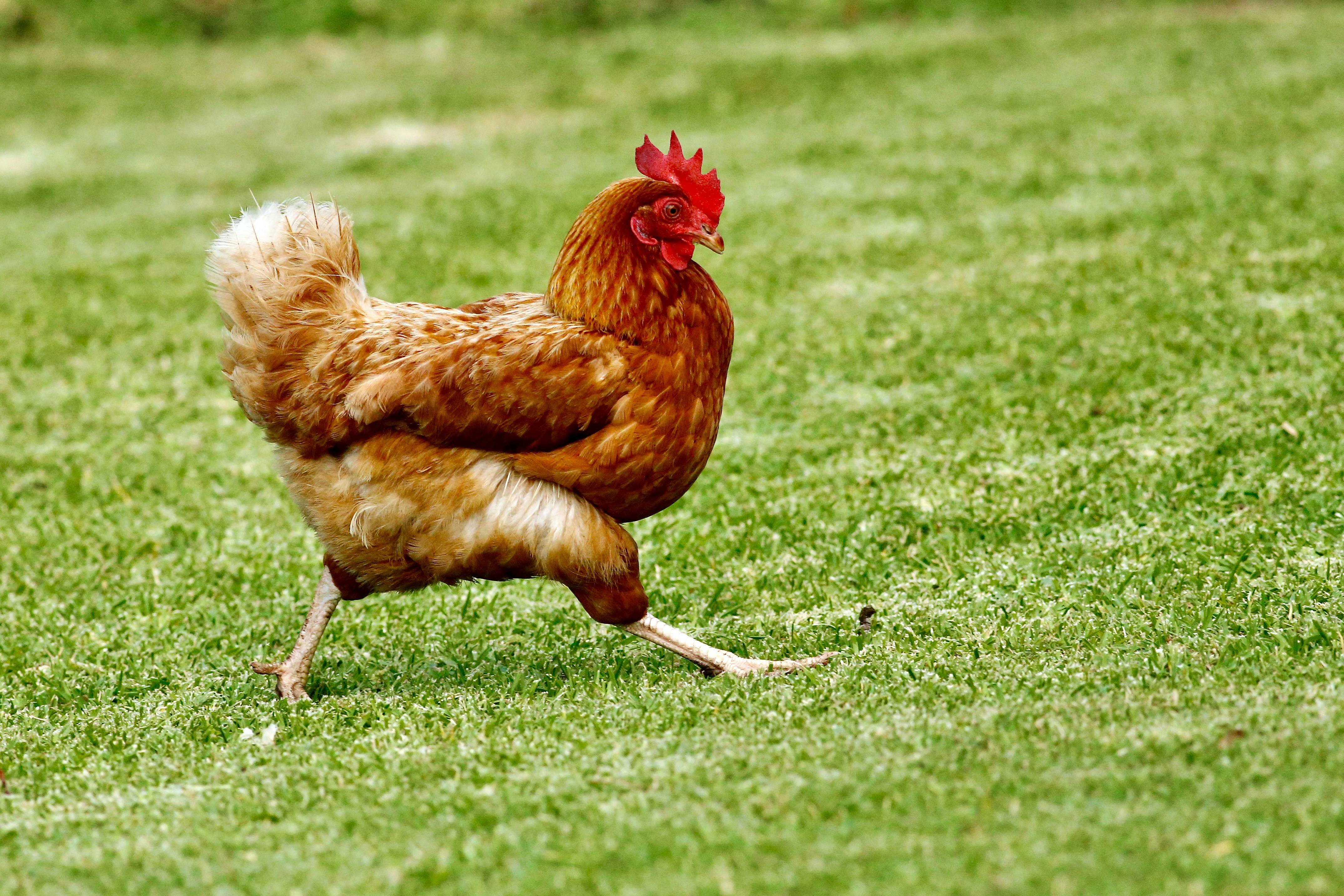
Preparing meals tailored to each species is a rewarding part of the day. Tasks include:
- Chopping fruits and vegetables
- Preparing formula for baby animals
- Setting out seeds and nuts for birds
- Defrosting fish for aquatic animals
Hand-feeding baby animals is a delicate, fulfilling task requiring patience.
 Animal Care and Monitoring

Throughout the day, volunteers assist with:
- Observing for signs of distress or illness
- Recording eating habits and behavior
- Weighing animals
- Administering medications under supervision
Experienced volunteers may even assist with medical procedures.
 Enrichment Activities

Volunteers provide enrichment to maintain wild instincts, such as:
- Creating puzzle feeders
- Setting up climbing structures
- Providing pools or sprinklers
- Simulating wild habitats
These activities are vital for animals and allow volunteers to be creative.
 Public Education and Outreach

Volunteers help educate the public through:
- Leading tours
- Answering wildlife concerns
- Assisting with school programs
- Managing social media for awareness
Education prevents future wildlife emergencies and promotes coexistence.
 Special Projects and Seasonal Work

Depending on the season, volunteers may participate in special projects, such as monitoring nests during nesting season or assisting with research and fundraising events.
 The Emotional Rollercoaster

Volunteers experience both heartbreaking losses and joyful recoveries. The release of rehabilitated animals is the most rewarding moment, but not all stories have happy endings.
 End of the Day

Evenings involve final feedings, cleaning, and team meetings to ensure continuity of care. Volunteers leave tired but fulfilled, knowing they've made a difference.
 Reflection and Growth

Wildlife rescue volunteering is physically demanding but rewarding. Volunteers gain animal care skills, deepen their understanding of ecosystems, and connect with like-minded individuals.