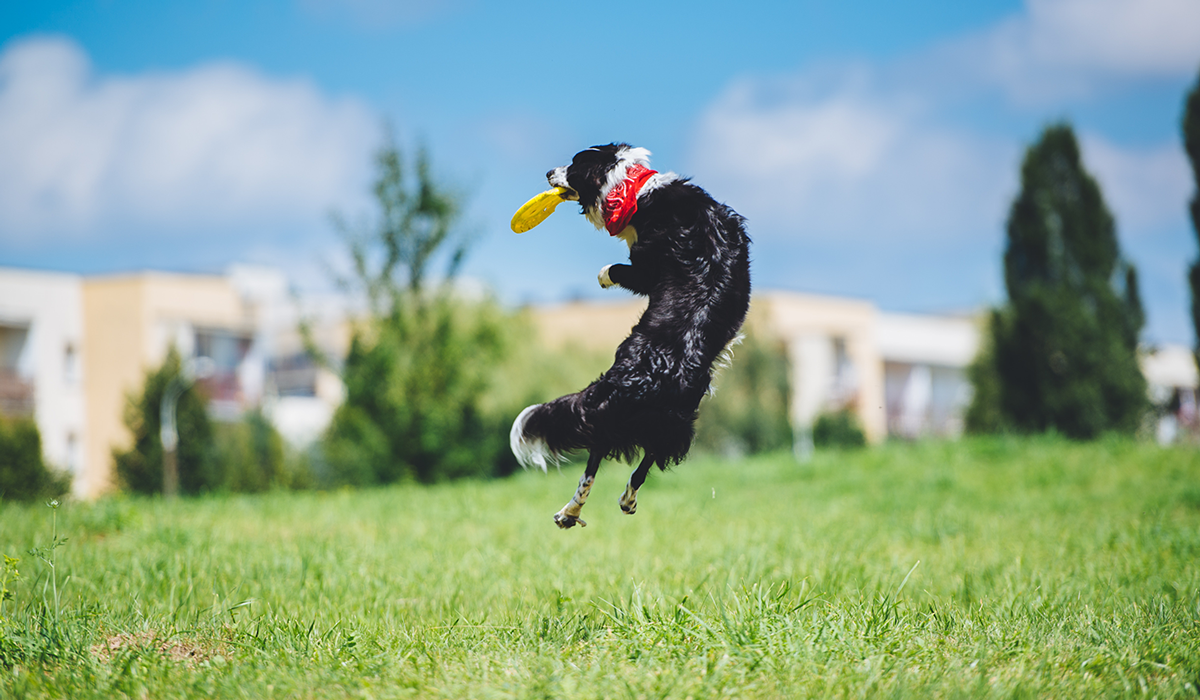
Bonding with Your Pet

Bonding with your pet is a fundamental aspect of pet ownership that creates a lasting, meaningful relationship benefiting both human and animal companions. This comprehensive guide explores various activities and approaches to strengthen your connection with your pet.
Understanding the Human-Animal Bond
The connection between humans and their pets is a powerful, scientifically documented phenomenon that provides mutual benefits. This unique relationship releases endorphins and reduces stress hormones, significantly enhancing emotional well-being for both parties[4]. When pet owners develop strong bonds with their animals, they're more likely to provide better care and maintain regular veterinary visits[9].
Daily Activities for Strengthening Bonds
Dedicated Training Sessions
Training is one of the most effective ways to build trust and communication with your pet. Through positive reinforcement training, you can:
- Teach basic commands and complex tricks
- Provide mental stimulation
- Foster trust and confidence
- Create opportunities for praise and rewards[1]
Exercise and Physical Activities
Regular physical activity strengthens your bond while promoting health for both you and your pet. Consider these options:
- Daily walks or runs
- Hiking adventures
- Sports activities like agility or dock diving
- Outdoor exploration of new environments[1][2]
Grooming and Physical Contact
Physical touch is a powerful bonding tool that can create a deep connection:
- Regular brushing sessions
- Gentle massage
- Pet with purpose and full attention
- Focused cuddle time[1][8]
Creating Meaningful Routines
Structured Daily Schedule
Establishing consistent routines helps pets feel secure and strengthens their trust in you. Important elements include:
- Regular feeding times
- Scheduled bathroom breaks
- Designated play sessions
- Consistent bedtime routines[1]
Playtime and Enrichment
Dedicated play sessions are crucial for building your bond:
- Interactive games like fetch and tug-of-war
- Hide-and-seek with toys or treats
- Puzzle toys and mental challenges
- No-rules play sessions that allow natural interaction[3][7]
Advanced Bonding Techniques
Adventure Together
Sharing new experiences can deepen your connection:
- Road trips
- Park visits
- Nature exploration
- New environment exposure[1][2]
Quality Time and Focus
Intentional attention strengthens your relationship:
- Put away distractions like phones
- Make eye contact
- Practice active listening to your pet's cues
- Engage in one-on-one activities[7]
Health Benefits of Strong Bonds
Physical Health Improvements
A strong human-animal bond contributes to better health outcomes:
- Lower blood pressure
- Reduced risk of heart disease
- Improved cardiovascular health
- Increased physical activity levels[4][5]
Mental Health Benefits
The emotional impact of pet bonding includes:
- Reduced anxiety and stress
- Decreased feelings of loneliness
- Enhanced emotional well-being
- Improved social connections[4][6]
Building Trust Through Communication
Understanding Body Language
Learning to read and respond to your pet's signals:
- Recognize stress indicators
- Understand comfort signals
- Respect personal space needs
- Respond appropriately to communication attempts[7]
Consistent Interaction
Regular, positive interactions build trust:
- Use clear verbal and non-verbal cues
- Maintain consistent commands
- Provide predictable responses
- Offer regular praise and reinforcement[1]
Creating Special Moments
Celebration and Recognition
Make time for special occasions:
- Celebrate pet birthdays
- Plan pet-focused activities
- Create memorable experiences
- Share quiet moments together[2]
Comfort and Security
Ensure your pet feels safe and valued:
- Provide a dedicated personal space
- Respect boundaries
- Offer comfort during stressful times
- Create a secure environment[1]
Long-term Benefits
Relationship Development
Strong bonds lead to:
- Better behavioral outcomes
- Improved training success
- Enhanced communication
- Deeper mutual understanding[9]
Healthcare Advantages
Pet owners with strong bonds are more likely to:
- Schedule regular veterinary visits
- Invest in preventive care
- Address health issues promptly
- Maintain consistent healthcare routines[9]
The Science Behind Bonding
Research shows that 95% of pet owners consider their pets family members, and 98% report experiencing health benefits from their relationship[9]. The strength of these bonds is measurable and correlates directly with better care and attention to pet health needs[9].
Practical Implementation
Daily Integration
Incorporate bonding activities into your regular routine:
- Morning greeting rituals
- Regular exercise sessions
- Dedicated training time
- Evening relaxation periods[1][8]
Environmental Enrichment
Create an engaging environment:
- Provide appropriate toys
- Set up exploration opportunities
- Create comfortable rest areas
- Establish safe play spaces[7]
Conclusion
Building a strong bond with your pet requires dedication, consistency, and genuine interest in their well-being. Through regular engagement in these various activities and approaches, you can develop a deep, meaningful connection that enriches both your lives. Remember that every pet is unique, so adapt these strategies to match your pet's personality and preferences while maintaining patience and consistency in your approach.
Citations:
- [1] https://www.bil-jac.com/the-dog-blog/posts/12-ways-to-bond-with-your-dog/
- [2] https://www.darwinspet.com/blog/7-bonding-activities-to-do-with-dogs-darwin's.html
- [3] https://animalemergencycare.net/aecprevents/5-ways-to-strengthen-the-bond-with-your-pet/
- [4] https://www.cotavet.com/services/blog/human-animal-bond
- [5] https://www.petfoodinstitute.org/benefits-of-the-human-animal-bond/
- [6] https://www.onehealth.org/blog/the-power-of-the-human-animal-bond
- [7] https://www.rover.com/blog/how-to-bond-with-your-dog/
- [8] https://houstonspca.org/easy-ways-to-strengthen-the-bond-with-your-pet/
- [9] https://habri.org/pressroom/20220116
- [10] https://cheerfulhound.com/blogs/blog-hound/top-9-best-ways-to-bond-with-your-dog