Caring for Senior Pets

Caring for senior pets requires special attention and adjustments to ensure they maintain a high quality of life during their golden years. Here's a comprehensive guide to providing the best care for your aging companion.
Age-Related Changes and Health Monitoring
Regular veterinary check-ups become increasingly important as pets age, with biannual visits recommended for senior pets. These visits help detect early signs of illness and allow for timely adjustments to care plans. Veterinarians monitor weight changes, dental health, eating habits, mobility, and conduct lab tests to assess kidney and liver function.
Common Health Concerns
Senior pets often face various health challenges that require attention. Arthritis and joint problems can affect mobility, while dental disease may impact eating habits and overall health. Kidney disease, heart problems, and cognitive dysfunction are also common in aging pets.
Cognitive Health
Like humans, pets can experience cognitive decline with age. Signs of cognitive dysfunction may include confusion, disorientation, and changes in behavior. While there's no cure for dementia in pets, certain medications and antioxidant-enriched foods can help manage symptoms.
Creating a Comfortable Environment
Physical Adaptations
Making your home senior-pet friendly is crucial for their comfort and safety. Consider these modifications:
- Install ramps or steps to help them access favorite spots
- Place rugs on slippery floors for better traction
- Keep essential items like food, water, and beds easily accessible
- Provide orthopedic beds to support aging joints
Temperature Control
Senior pets may become more sensitive to temperature changes. They might need extra warmth during cold weather, possibly requiring a protective coat when outdoors.
Nutrition and Diet Management
Dietary Adjustments
As pets age, their nutritional needs change significantly. Their metabolism typically slows down, requiring adjustments to prevent weight gain. Key dietary considerations include:
- Reduced calorie intake to prevent obesity
- High-quality protein for muscle maintenance
- Adequate fiber for digestive health
- Omega-3 fatty acids for joint health and cognitive function
Hydration
Senior pets are more prone to dehydration. Ensure constant access to fresh water and consider incorporating wet food into their diet to increase fluid intake.
Exercise and Mental Stimulation
Physical Activity
While senior pets may slow down, maintaining an appropriate level of physical activity remains crucial. Regular, gentle exercise helps:
- Preserve muscle mass
- Maintain joint flexibility
- Manage weight
- Support overall health
Mental Enrichment
Keeping senior pets mentally engaged is equally important. Provide:
- Age-appropriate toys
- Puzzle feeders
- Regular social interaction
- Gentle play sessions
Healthcare and Preventive Measures
Dental Care
Dental health often deteriorates with age, potentially leading to systemic health issues. Regular tooth brushing and professional cleanings are essential for maintaining oral hygiene.
Weight Management
Monitoring and maintaining a healthy weight is crucial for senior pets. Obesity can exacerbate age-related health issues and impact mobility. Regular weigh-ins and appropriate portion control help prevent weight-related problems.
Maintaining Routine and Comfort
Daily Schedule
Senior pets thrive on routine, which provides security and reduces stress. Establish consistent times for:
- Meals
- Bathroom breaks
- Exercise
- Rest periods
Grooming Needs
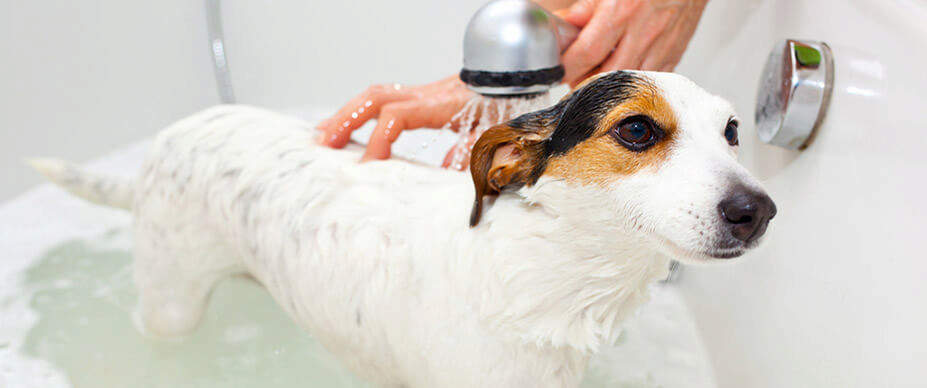
Regular grooming becomes increasingly important for senior pets, helping monitor for any physical changes while maintaining comfort and hygiene.
Special Considerations for Medical Care
Managing Chronic Conditions
Many senior pets develop chronic conditions that require ongoing management. Common issues include:
- Arthritis and joint pain
- Heart disease
- Kidney problems
- Endocrine disorders
Pain Management
Working with your veterinarian to develop an appropriate pain management strategy is crucial, especially for pets with arthritis or other painful conditions.
Social and Emotional Support
Senior pets often require more emotional support and attention. Maintaining regular interaction and providing comfort helps ensure their emotional well-being. Create a calm, predictable environment that minimizes stress and anxiety.
Quality of Life Assessment
Regularly evaluate your senior pet's quality of life by monitoring:
- Mobility and comfort levels
- Appetite and eating habits
- Social interaction and engagement
- Overall happiness and well-being
Conclusion
Caring for a senior pet requires dedication, patience, and attention to detail. By understanding and addressing their changing needs, providing appropriate medical care, maintaining comfort, and offering plenty of love and support, you can help ensure your pet's golden years are truly golden. Regular veterinary care, combined with attentive daily care at home, creates the foundation for a happy and comfortable senior life for your beloved companion.