
Understanding your cat's behavior

Understanding your cat's behavior is essential for building a strong bond and ensuring their well-being. Let's explore the complex world of feline communication and behavior patterns.
Communication Methods
Vocalizations
Cats possess a sophisticated vocal repertoire that serves multiple purposes. While some cats are naturally quiet, others are quite vocal, particularly breeds like Siamese and Abyssinian[9]. Their vocalizations include:
- Meowing: A multipurpose sound used for greetings, demands, or objections
- Chirping and trilling: Often used to request following behavior
- Purring: Typically indicates contentment, but may also signal anxiety or illness
- Growling or hissing: Warning signals indicating fear or aggression
- Yowling: Indicates distress or disorientation, especially in elderly cats
Body Language
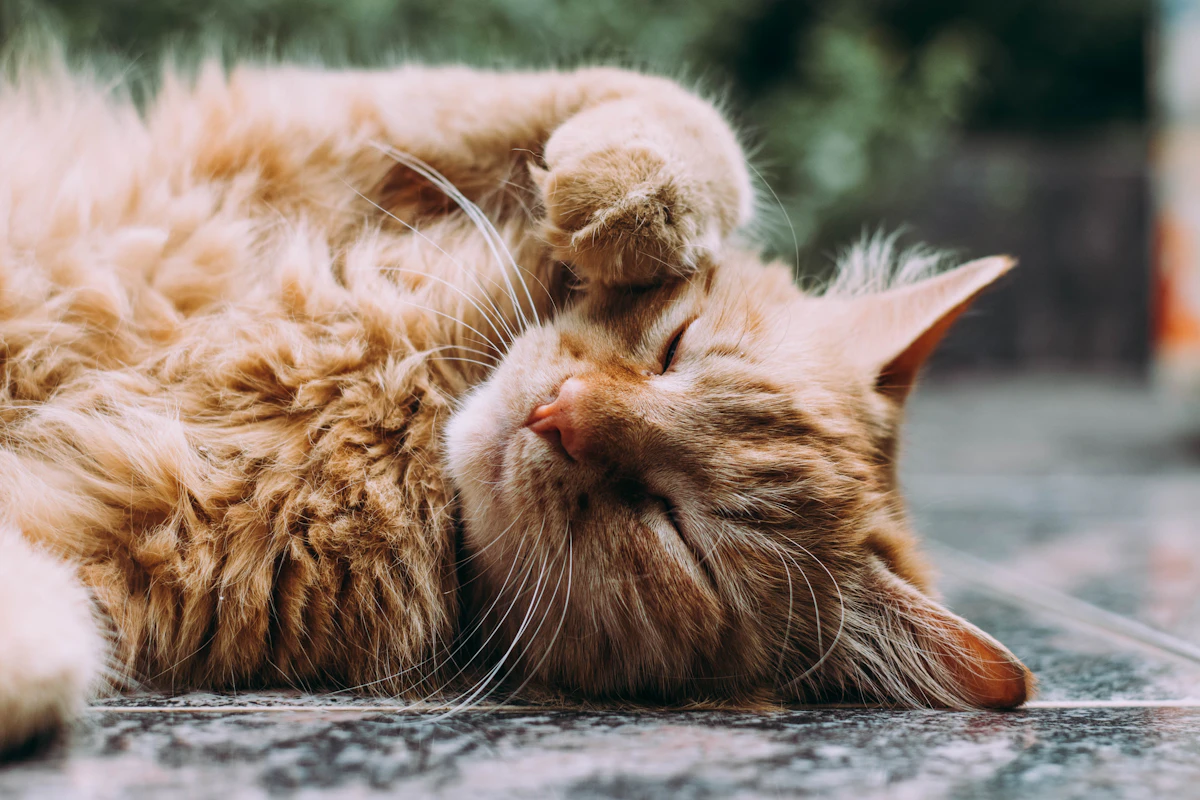
Cats communicate extensively through body postures and movements. When a cat exposes their belly, they're demonstrating trust, though this isn't necessarily an invitation for touching[8]. Head bunting and rubbing against objects or people are ways cats mark their territory and show affection[2].
Read clusters: soft eyes + slow blink + loose tail = relaxed; tucked tail + flattened ears + dilated pupils = stress. Always consider what just happened before the change.
Common Behavioral Patterns
Social Interactions
Research shows that cats actively shape their relationships with humans. The quality of cat-human interactions often depends on who initiates the contact. Interestingly, when cats initiate more interactions, the total interaction time tends to be longer[5]. This suggests that cats play a significant role in determining the nature and duration of social encounters.
Tip: Invite, don’t insist—offer a finger for a scent greeting, then let your cat choose when to engage. Respecting their choice builds trust faster.
Keep meetings short and sweet. Log what precedes positive interactions (time of day, room, person) to repeat wins and avoid triggers.
Play Behavior
Cats engage in various play behaviors that often mirror their hunting instincts. Some cats even demonstrate complex behaviors like fetching, with studies showing that 94.4% of cats who fetch developed this behavior without explicit training[10]. Play is essential for both mental and physical stimulation.
Rotate toys weekly, mix chase (wand toys) with puzzle feeders, and cap play with a small snack to mimic hunt–catch–eat–sleep cycles.

Behavioral Issues
Common Problems
Studies indicate that approximately 75.7% of cats exhibit at least one behavioral problem that concerns their owners[4]. The most frequent issues include:
- Inappropriate scratching
- Nocturnal overactivity
- Anxiety-related behaviors
- Excessive vocalization
- Aggressive tendencies
Aggression Types
Several forms of aggression can manifest in cats[7]:
- Fear-induced aggression
- Status-related aggression
- Maternal aggression
- Redirected aggression
- Play aggression
- Predatory aggression
Environmental Factors
Indoor vs. Outdoor Cats
Living environment significantly impacts cat behavior. Indoor cats often show different behavioral patterns compared to outdoor cats:
- Higher levels of curiosity and object interaction
- Increased human contact initiation
- Greater likelihood of developing certain fears or anxieties[6]
Balance safety with stimulation: window perches with bird-safe feeders outside, scent swaps (herbs, cat-safe plants), and supervised harness time for bold cats.
Try short “cat TV” sessions—window watching or safe outdoor scents—paired with a calm nap spot to prevent frustration.
Territory and Space
Cats need appropriate spaces for essential behaviors including:
- Eating and drinking areas
- Secure resting spots
- Climbing and perching opportunities
- Scratching surfaces
- Play zones[7]
Use the “5S” checklist: Scratch (vertical/horizontal), Seek (hide boxes), Survey (high perches), Sip (multiple water spots), Sleep (quiet dens).

Understanding Normal vs. Problematic Behavior
Normal Behaviors
Many behaviors that might seem problematic are actually normal feline activities:
- Knocking objects over: Often related to hunting instincts and play behavior[8]
- Kneading: A comfort behavior stemming from kittenhood[8]
- Bringing "gifts": A social bonding behavior showing trust and care[8]
Redirect normal-but-annoying habits: offer a “legal” knock zone with light toys, a kneading blanket, and praise gift drops to reinforce the bond.
Problematic Signs
Watch for behaviors that might indicate underlying issues:
- Excessive self-grooming
- Persistent aggression toward household members
- Inappropriate elimination
- Compulsive behaviors[1]
Two or more red flags together warrant a vet check to rule out pain, hyperthyroidism, or urinary issues.
Age-Related Behavioral Changes
Life Stages
Different age groups show distinct behavioral patterns:
- Young cats typically display more separation anxiety and pica behaviors
- Senior cats may show increased self-grooming and aggression toward housemates
- Geriatric cats often exhibit decreased activity levels and increased vocalization[4]
Adjust play and enrichment to life stage: kittens need short, frequent sessions; seniors benefit from gentler wand play and heated beds.
Building Better Relationships
Understanding Communication
Success in cat-human relationships often depends on:
- Recognizing and respecting the cat's communication signals
- Allowing the cat to initiate and control interaction duration
- Providing appropriate environmental enrichment
- Maintaining consistent routines[5]
Set a predictable daily cadence: morning meal + play, midday hide-and-seek snack, evening wand game, then a calm petting session if invited.
Environmental Enrichment
Creating Optimal Spaces
To prevent behavioral issues and promote well-being:
- Provide multiple feeding stations
- Create vertical spaces for climbing and perching
- Offer various scratching surfaces
- Include interactive toys and puzzle feeders[7]
Keep resources duplicated for multi-cat homes—at least one extra litter box, water bowl, and resting spot beyond the number of cats.

When to Seek Help
Professional assistance may be needed when:
- Behavioral changes occur suddenly
- Aggression becomes severe or unpredictable
- Multiple behavioral issues occur simultaneously
- Environmental modifications don't improve the situation[1]
Seek a vet first to rule out medical causes, then a certified behavior consultant (IAABC, AVSAB) for a tailored plan.
Daily Feline Well-Being Checklist
- Normal appetite, litter habits, and grooming seen today.
- At least two short play sessions that end with a small food reward.
- One new scent or texture enrichment (paper bag, herb sachet, cardboard tunnel).
- Calm place to retreat where the cat won’t be disturbed.
Quick Calming Toolkit
- Feliway-style pheromone diffuser near resting spots.
- Food puzzles to slow eating and add mental work.
- “Safe perch” the cat can choose during busy times.
- Soft blanket for kneading and scent-marking comfort.
Conclusion
Understanding cat behavior requires attention to their unique communication methods and recognition of both normal and problematic patterns. By observing and responding appropriately to their behavioral cues, owners can build stronger relationships with their feline companions and ensure their physical and emotional well-being. Remember that each cat is an individual with distinct personality traits and behavioral tendencies, requiring personalized attention and care approaches.
Citations:
- [1] https://www.paolivet.com/behaviour-counselling/cat-behavioral-issues/
- [2] https://www.medvet.com/cat-behaviors/
- [3] https://www.pawschicago.org/news-resources/all-about-cats/understanding-cat-behavior
- [4] https://pmc.ncbi.nlm.nih.gov/articles/PMC7118490/
- [5] https://www.frontiersin.org/journals/veterinary-science/articles/10.3389/fvets.2021.650143/full
- [6] https://pmc.ncbi.nlm.nih.gov/articles/PMC8532687/
- [7] https://www.merckvetmanual.com/cat-owners/behavior-of-cats/behavior-problems-in-cats
- [8] https://www.rd.com/list/how-to-decode-your-cats-behavior/
- [9] https://www.humanesociety.org/resources/understanding-feline-language
- [10] https://www.nature.com/articles/s41598-023-47409-w