
Understanding Dog Behavior: What Your Dog is Really Telling You
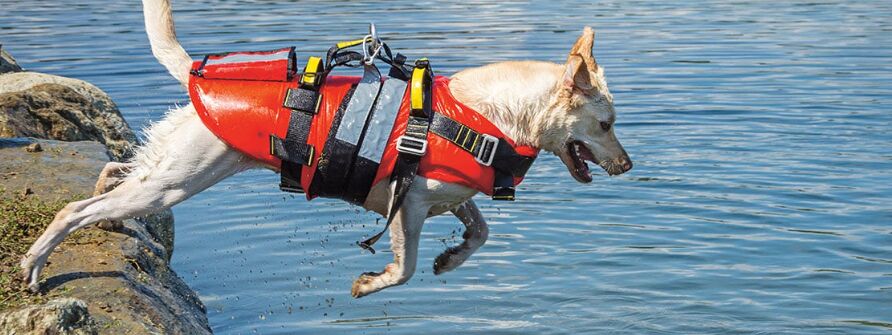
Dogs communicate in fascinating ways through their body language, vocalizations, and actions. Decoding these signals will help you build a stronger bond and meet your dog’s needs effectively. Let’s explore some common dog behaviors and what they mean.
1. Tail Wagging: More Than Just Happiness
While most people associate tail wagging with happiness, the reality is far more nuanced. Recent research in canine behavior has revealed that tail position, speed, and direction all convey different emotional states.
Fast, Broad Wagging: Happiness and excitement, often seen during play or greetings. This full-body wag with relaxed posture is the classic sign of a joyful dog. The faster the wag, the more excited your dog is feeling.
Slow Wagging with a High Tail: Caution or uncertainty in new situations. This indicates your dog is assessing the situation and hasn't decided whether it's safe. Give them time and space to observe without forcing interaction.
Tucked Tail: Fear or anxiety. Look for sources of stress and comfort your dog. A tucked tail often accompanies other fear signals like cowering, ears back, or avoidance. Remove your dog from the stressful situation if possible.
Low Wagging: Nervousness or submission. Approach calmly to reassure them. This is often seen when dogs meet new people or in uncertain social situations.
The Science of Direction: A groundbreaking 2007 study published in Current Biology found that dogs wag more to the right when they see something positive (like their owner) and more to the left when encountering something potentially threatening. This asymmetry reflects how the brain's hemispheres process positive versus negative emotions.
Breed Variations: Some breeds have naturally high-set tails (like Beagles) or curled tails (like Pugs), which can make tail language harder to read. In these cases, focus on the base of the tail and overall body language for clues about emotional state.
2. Barking: What Are They Trying to Say?
Barking is a dog's primary vocal communication tool, and different types of barks serve different purposes. Learning to distinguish between bark types helps you respond appropriately to your dog's needs.
Excited Barking: Signals playfulness, often accompanied by wagging tails and bouncy body language. These barks are usually higher-pitched and come in rapid bursts. You'll commonly hear this when you arrive home or during play sessions.
Alert Barking: A sharp, authoritative bark when something unfamiliar appears, such as a visitor or unusual noise. This is your dog's way of saying "Hey, pay attention to this!" Alert barks are typically medium-pitched and repetitive, continuing until the "threat" is investigated or leaves.
Anxious Barking: Repetitive, high-pitched barking due to stress or separation anxiety. These barks often increase in frequency and pitch over time. Dogs may also pace, drool, or engage in destructive behaviors alongside this type of barking.
Demand Barking: A way to seek attention or ask for something. Avoid reinforcing this behavior by giving in to demands. Instead, wait for quiet behavior before providing attention or rewards. Demand barks are often directed at the owner with expectant body language.
Pain or Distress Barking: Sudden, sharp barking that's unusual for your dog may indicate pain or injury. If your normally quiet dog starts barking excessively or your dog's bark sounds different, consult your veterinarian.
Territorial Barking: Deep, continuous barking when someone approaches your dog's perceived territory. This is different from alert barking in intensity and duration. Territorial barkers often position themselves between the "intruder" and their home.
Managing Excessive Barking: Identify the trigger and address the underlying cause. For alert barking, teach a "quiet" command. For anxiety barking, work with a certified trainer on desensitization. Never use punishment-based methods, as these can increase anxiety and worsen the problem.
3. Body Language: Reading the Whole Picture
Dogs are masters of non-verbal communication, using their entire body to express emotions. Understanding these signals is crucial for interpreting your dog's emotional state and responding appropriately.
Relaxed Posture: Loose body, neutral ears, and natural tail position indicate calmness. A relaxed dog will have soft, squinty eyes (often called "soft eyes"), a slightly open mouth that may look like a smile, and their weight distributed evenly on all four paws. This is your dog's baseline state when they feel safe and comfortable.
Stiff Body, Raised Hackles: Fear or aggression. Avoid escalating the situation. When a dog's hackles (the fur along the spine) stand up, it's an involuntary response to arousal—whether from fear, excitement, or aggression. Combined with a stiff, frozen posture, this often indicates the dog is deciding whether to fight or flee. Never approach a dog showing these signs.
Play Bow: Front end lowered, rear end up—an invitation to play! This universal dog gesture signals "everything I'm about to do is just for fun." Dogs often perform play bows before or during rough play to reassure their play partner that they're not being aggressive. You'll also see dogs play bow to other animals, including cats and humans.
Cowering: Avoiding eye contact or shrinking away shows fear or discomfort. A cowering dog makes themselves appear smaller by lowering their body, tucking their tail, and pulling their ears back. They may also lick their lips, yawn, or turn their head away—these are all calming signals designed to defuse potential threats.
Whale Eye: When you can see the whites of your dog's eyes, it often indicates stress or discomfort. This happens when they turn their head away while keeping their eyes fixed on something concerning.
Weight Distribution: A confident dog carries their weight forward, while an uncertain or fearful dog shifts weight backward, preparing to retreat. A dog leaning forward is actively engaging, while one leaning back wants more distance.
Mouth and Facial Expressions: A relaxed, slightly open mouth indicates comfort. A closed mouth with tense facial muscles suggests stress. Lip licking, yawning when not tired, and showing teeth (without a snarl) are all stress signals that shouldn't be ignored.
4. Growling: A Warning Sign
Defensive Growling: Protecting themselves or their territory, often with a tense posture.
Play Growling: Harmless growling during play, as long as body language remains relaxed.
Fearful Growling: Coupled with signs of anxiety like wide eyes or a tucked tail.
How to respond: Pause the interaction, create distance, and identify the trigger. Reward calm behavior and never punish a growl—it's valuable communication that prevents bites.
5. Panting: More Than Just Cooling Off
Panting is often misunderstood as only a cooling mechanism, but it serves multiple functions and can indicate various physical and emotional states.
Normal Panting: Helps regulate body temperature after exercise or on hot days. This panting is rhythmic and relaxed, with the dog's tongue hanging loosely out of their mouth. The breathing rate typically returns to normal within 5-10 minutes of rest, depending on the intensity of exercise and ambient temperature.
Stress Panting: Seen during anxiety-inducing situations like vet visits, thunderstorms, or car rides. Stress panting is often faster and more shallow than thermoregulatory panting. It may be accompanied by other stress signals like pacing, whining, or seeking comfort from their owner. The tongue may appear tense rather than relaxed.
Pain-Related Panting: May indicate discomfort or illness. Consult a vet if panting seems excessive or unusual, especially if it occurs at rest or during cool weather. Pain panting is often accompanied by other signs like restlessness, reluctance to move, decreased appetite, or vocalizations.
Distinguishing Pant Types: Normal exercise panting should decrease quickly with rest and water. Stress panting continues even after triggers are removed and may intensify. Pain panting is often inconsistent and may worsen with movement or touch. If you're unsure, always err on the side of caution and consult your veterinarian.
When to Seek Immediate Help: Excessive panting combined with pale gums, weakness, vomiting, or collapse requires emergency veterinary attention. These could indicate heatstroke, heart problems, or other serious conditions.
Putting It All Together: Context Matters
The key to understanding dog behavior is reading multiple signals in context. A wagging tail doesn't always mean happiness—you must consider ear position, body posture, and the situation. A play bow followed by a freeze could indicate uncertainty about whether play is appropriate. Always look at the whole picture rather than isolated signals.
Building Communication Skills: Spend time observing your dog in different situations. Notice what signals they display when relaxed versus stressed. Learn their individual quirks—some dogs are naturally more expressive, while others are more subtle. The better you know your dog's baseline behavior, the more easily you'll recognize when something is wrong.
Respecting Boundaries: When your dog shows discomfort signals—turning away, licking lips, or moving backward—respect these boundaries. Forcing interaction when a dog is uncomfortable damages trust and can lead to defensive behaviors. Teaching children to recognize and respect these signals prevents bites and builds positive relationships.
Daily check-in: Do a 60-second scan each day: appetite, posture, gait, skin/coat, interaction level, and response to cues. Small changes often surface here before bigger issues appear.
Common Misunderstandings About Dog Behavior
Myth: A guilty-looking dog knows they did wrong. Research shows that "guilty" expressions are actually appeasement behaviors in response to your angry tone or body language, not true guilt about the misdeed.
Myth: Dogs who bite without warning are unpredictable. In most cases, dogs give numerous warning signs that go unrecognized. Learning to read subtle signals like stiffening, whale eye, or lip licks can prevent bites.
Myth: Alpha rolls and dominance-based training work. Modern animal behavior science has thoroughly debunked dominance theory in dog training. These methods damage the human-dog bond and can create fear and aggression.
Red Flags: When to Call a Professional
- Sudden changes in behavior (new aggression, hiding, or reactivity) without an obvious trigger.
- Resource guarding that escalates despite management attempts.
- Severe separation anxiety—destroying doors, self-injury, or relentless vocalizing.
- Bite history, even if the bite was inhibited; get help before it happens again.
Seek out a certified behavior professional (CAAB, DACVB, or a reputable trainer using force-free methods). Pair behavior plans with a vet visit to rule out pain or medical causes.
Quick At-Home Calming Toolkit
- Sniff walks: Slow, scent-focused walks that let your dog decompress.
- Enrichment feeders: Stuffed Kongs, lick mats, and snuffle mats to lower arousal.
- Pattern games: Simple, predictable cue–reward patterns to restore confidence.
- Safe space: A quiet mat or crate with a chew where your dog can opt out of chaos.
Use these tools proactively before stressful events (guests arriving, storms, fireworks) to keep your dog under threshold.
About the Author
Dr. Emily Chen, PhD, CAAB
Dr. Chen is a Certified Applied Animal Behaviorist with a PhD in Animal Behavior from the University of California, Davis. With over 12 years of experience studying canine communication and cognition, she has published extensively in peer-reviewed journals including Animal Behaviour, Applied Animal Behaviour Science, and the Journal of Veterinary Behavior.
She specializes in helping dog owners understand and address behavioral challenges through science-based, force-free methods. Dr. Chen serves on the board of the Animal Behavior Society and regularly presents at international conferences on canine communication and welfare. She currently operates a behavior consultation practice in Seattle and teaches courses on animal behavior at the University of Washington.
References and Further Reading
- Quaranta, A., Siniscalchi, M., & Vallortigara, G. (2007). "Asymmetric tail-wagging responses by dogs to different emotive stimuli." Current Biology, 17(6), R199-R201.
- Yin, S. (2009). "Low stress handling, restraint and behavior modification of dogs & cats." CattleDog Publishing.
- Horowitz, A. (2009). "Disambiguating the "guilty look": Salient prompts to a familiar dog behaviour." Behavioural Processes, 81(3), 447-452.
- Rugaas, T. (2006). "On Talking Terms with Dogs: Calming Signals." Dogwise Publishing.
- Overall, K. L. (2013). "Manual of Clinical Behavioral Medicine for Dogs and Cats." Elsevier Health Sciences.
- Coren, S. (2000). "How to Speak Dog: Mastering the Art of Dog-Human Communication." Simon and Schuster.
- McConnell, P. B. (2002). "The Other End of the Leash: Why We Do What We Do Around Dogs." Ballantine Books.
Recommended Organizations:
- International Association of Animal Behavior Consultants (IAABC) - www.iaabc.org
- Certified Applied Animal Behaviorists (CAAB) - www.animalbehaviorsociety.org
- American Veterinary Society of Animal Behavior (AVSAB) - www.avsab.org