
The Ultimate Guide to Keeping Your Dog Happy and Healthy
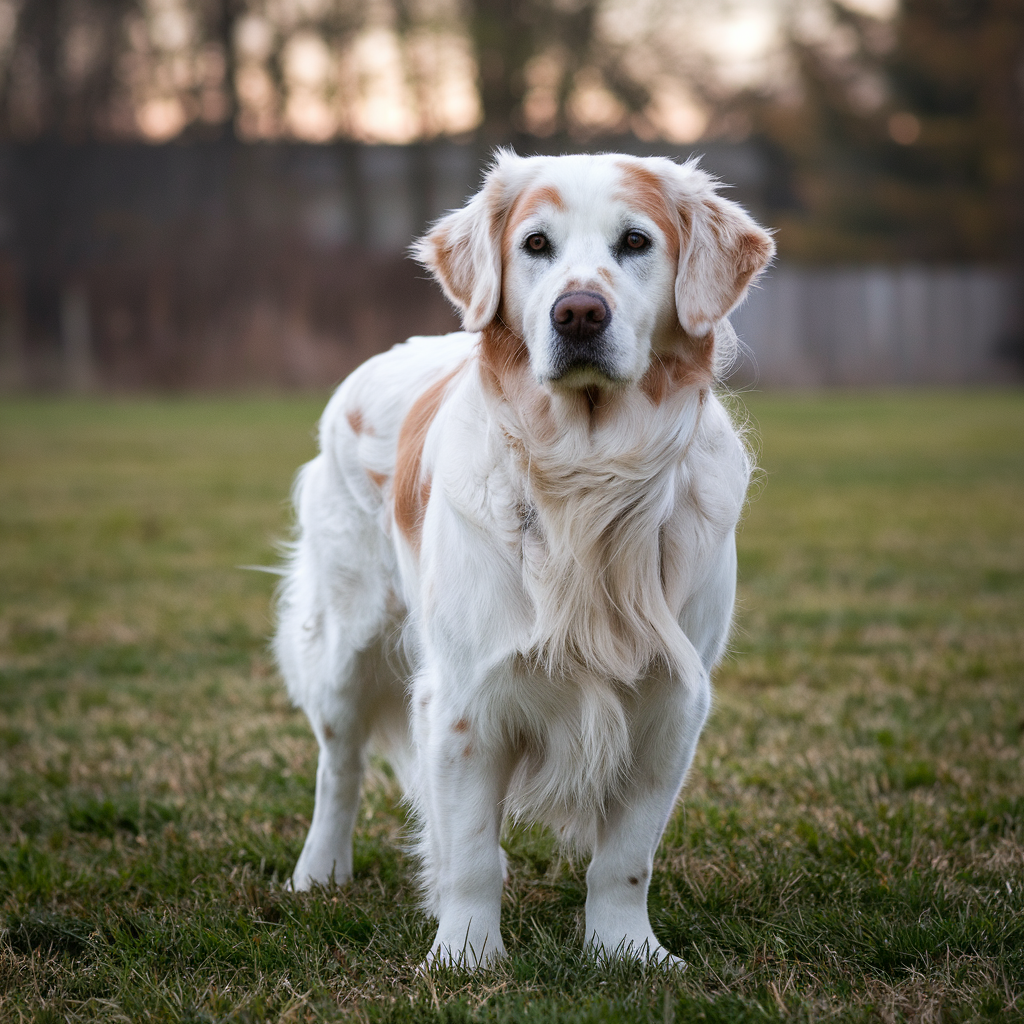
As a dog owner, ensuring your furry friend's happiness and health is a top priority. Dogs provide us with unconditional love, companionship, and joy, and it's our responsibility to give them the best care possible. This comprehensive guide covers everything you need to know about keeping your dog happy and healthy, from nutrition and exercise to mental stimulation and preventive healthcare.
Table of Contents
- Nutrition: The Foundation of Health
- Exercise: Keeping Your Dog Fit and Happy
- Mental Stimulation: Keeping Your Dog's Mind Sharp
- Grooming: Maintaining Your Dog's Physical Health
- Health Care: Preventive Measures
- Creating a Safe and Comfortable Environment
- Socialization and Bonding
- Addressing Behavioral Issues
- Enrichment Activities
- Travel and Outings
- Senior Dog Care
- Monitoring Your Dog's Health
- Emergency Preparedness
Nutrition: The Foundation of Health
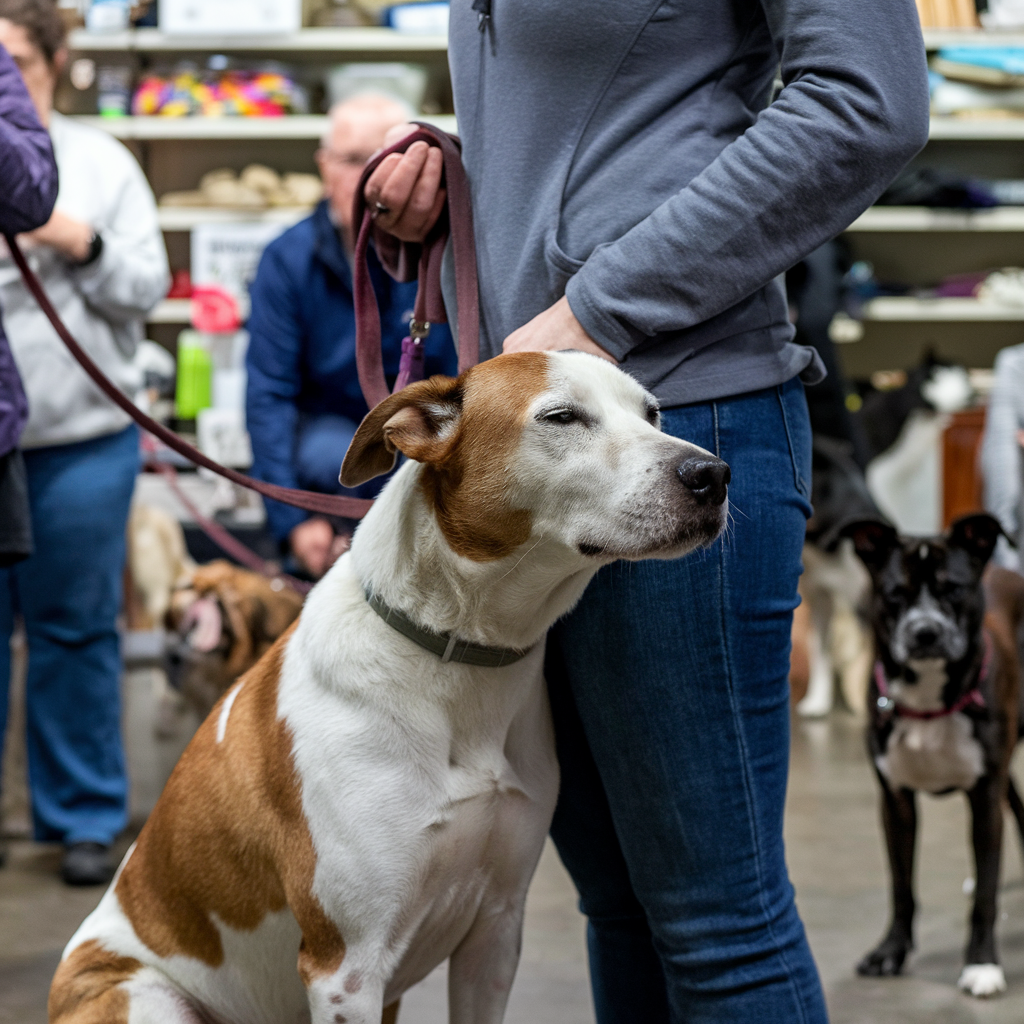
Portion Control
Maintaining a healthy weight is essential for your dog's long-term health. Obesity can lead to various health issues, so it's important to monitor your dog's food intake and adjust portions as needed[1][2]. Use body condition scoring to assess your dog's weight, as it's often more accurate than trying to weigh them on a scale[1].
Treats in Moderation
While treats are great for training and bonding, they should make up no more than 10% of your dog's daily calorie intake[7]. Consider using healthy alternatives like small pieces of fruits or vegetables as treats.
Fresh Water
Always ensure your dog has access to clean, fresh water. Change the water daily and clean the bowl regularly to prevent bacterial growth.
Exercise: Keeping Your Dog Fit and Happy
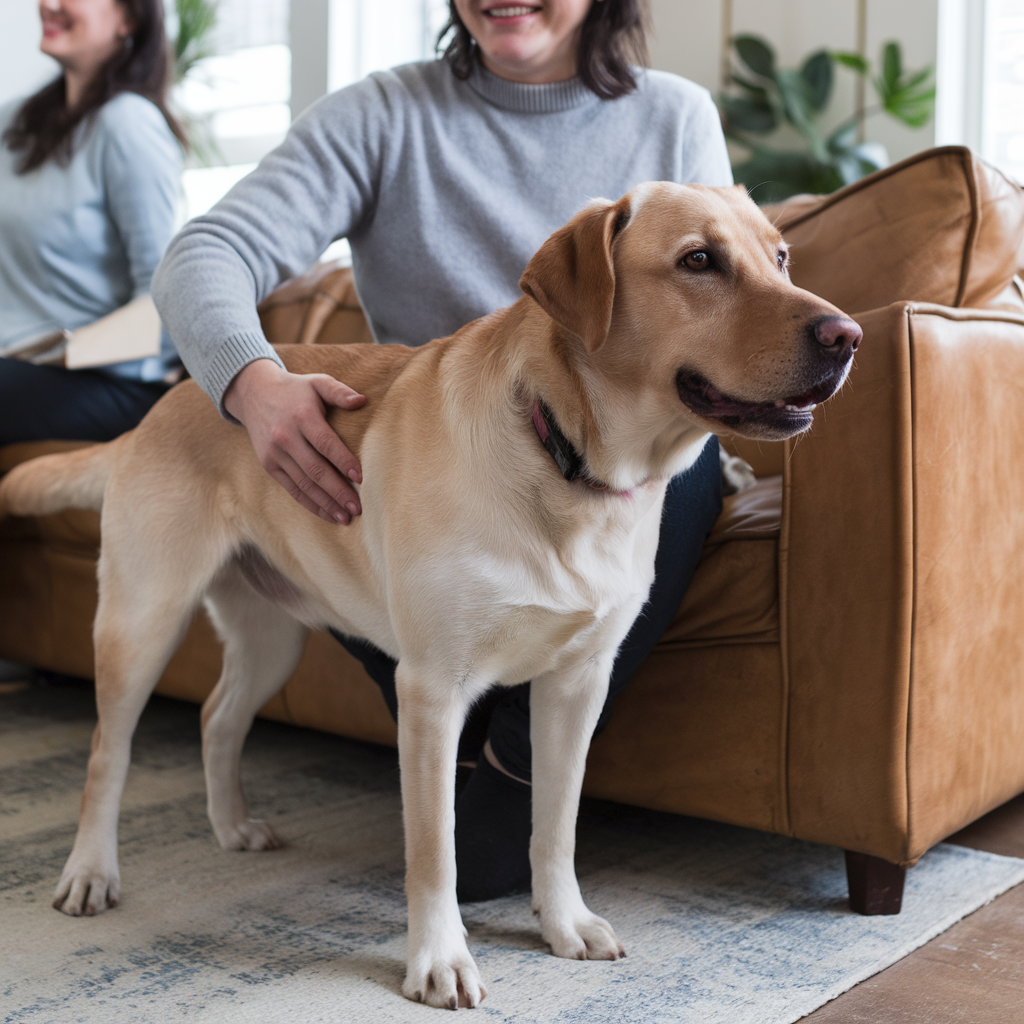
Daily Physical Activity
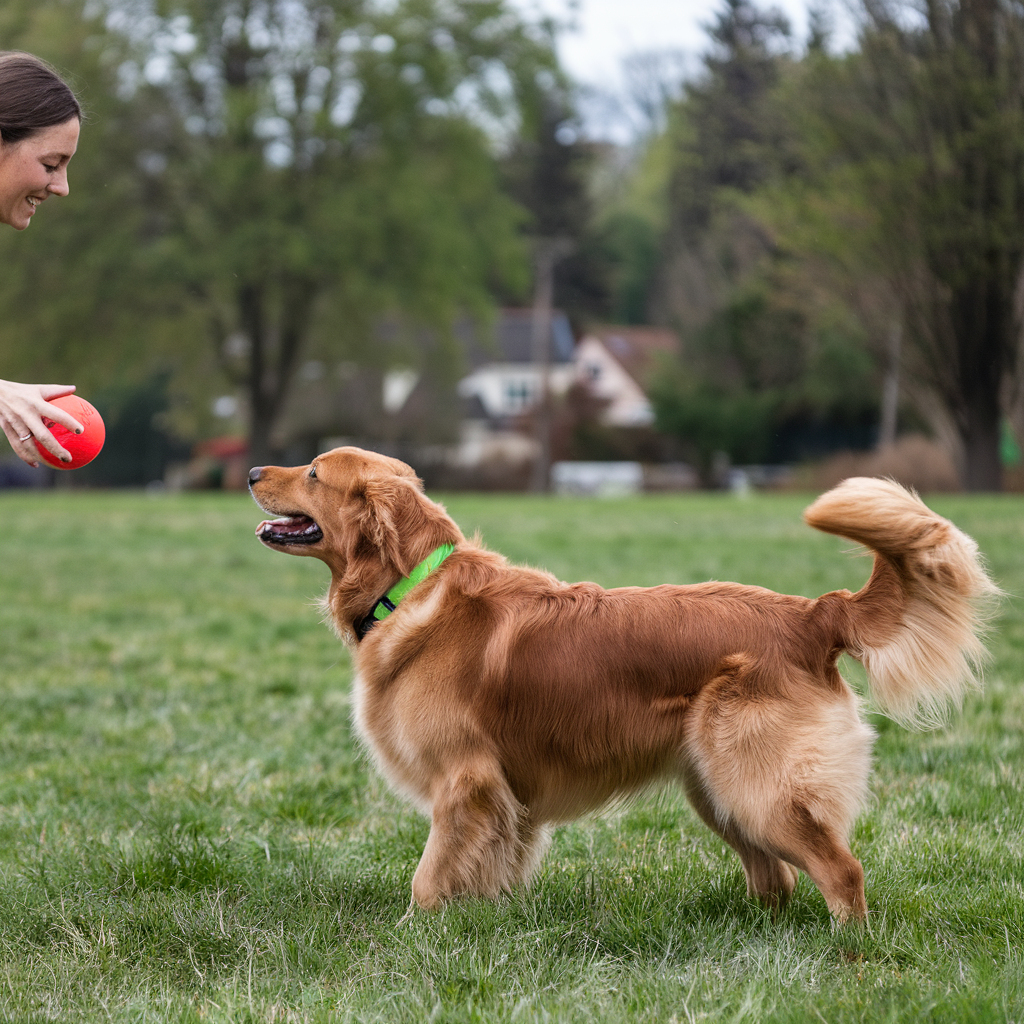
Regular exercise is crucial for your dog's physical and mental health. Aim for at least 30 minutes to two hours of exercise each day, depending on your dog's breed, age, and energy level[16]. This can include walks, runs, or play sessions in the backyard.
Variety in Exercise
Mix up your exercise routine to keep things interesting for your dog. Try different walking routes, visit dog parks, or explore new hiking trails together[4][8].
Indoor Activities
On days when outdoor exercise isn't possible, engage your dog in indoor activities. Play fetch in a hallway, set up an indoor obstacle course, or use puzzle toys to provide mental and physical stimulation[11].
Mental Stimulation: Keeping Your Dog's Mind Sharp
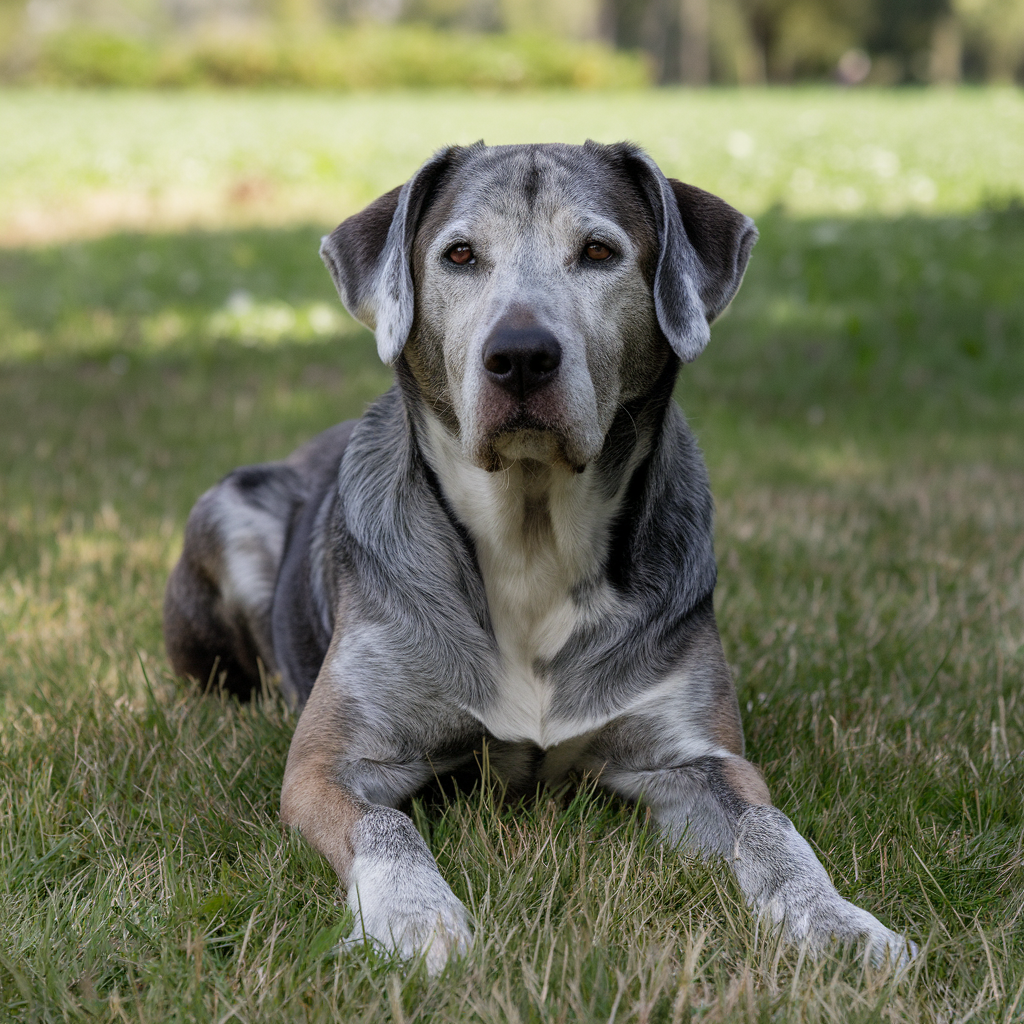
Training Sessions
Regular training sessions not only reinforce good behavior but also provide mental stimulation for your dog. Incorporate commands into daily activities, such as asking your dog to sit before meals or wait before crossing the street[16].
Puzzle Toys and Games
Use puzzle feeders, interactive toys, and games to challenge your dog's mind. These activities can help prevent boredom and reduce destructive behaviors[2][5].
New Experiences
Expose your dog to new environments, smells, and experiences regularly. This can include trips to different parks, meeting new people or dogs, or exploring new areas in your neighborhood[8].
Grooming: Maintaining Your Dog's Physical Health
Regular Brushing
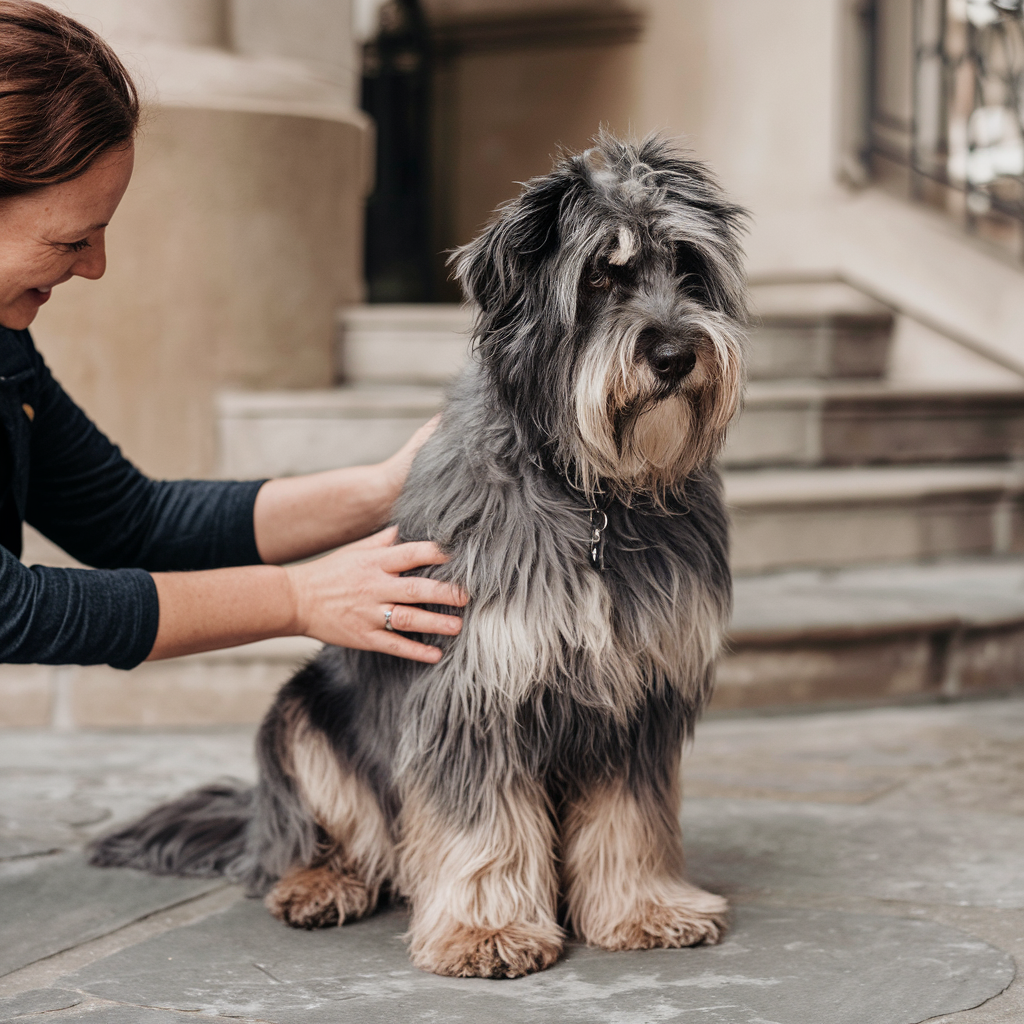
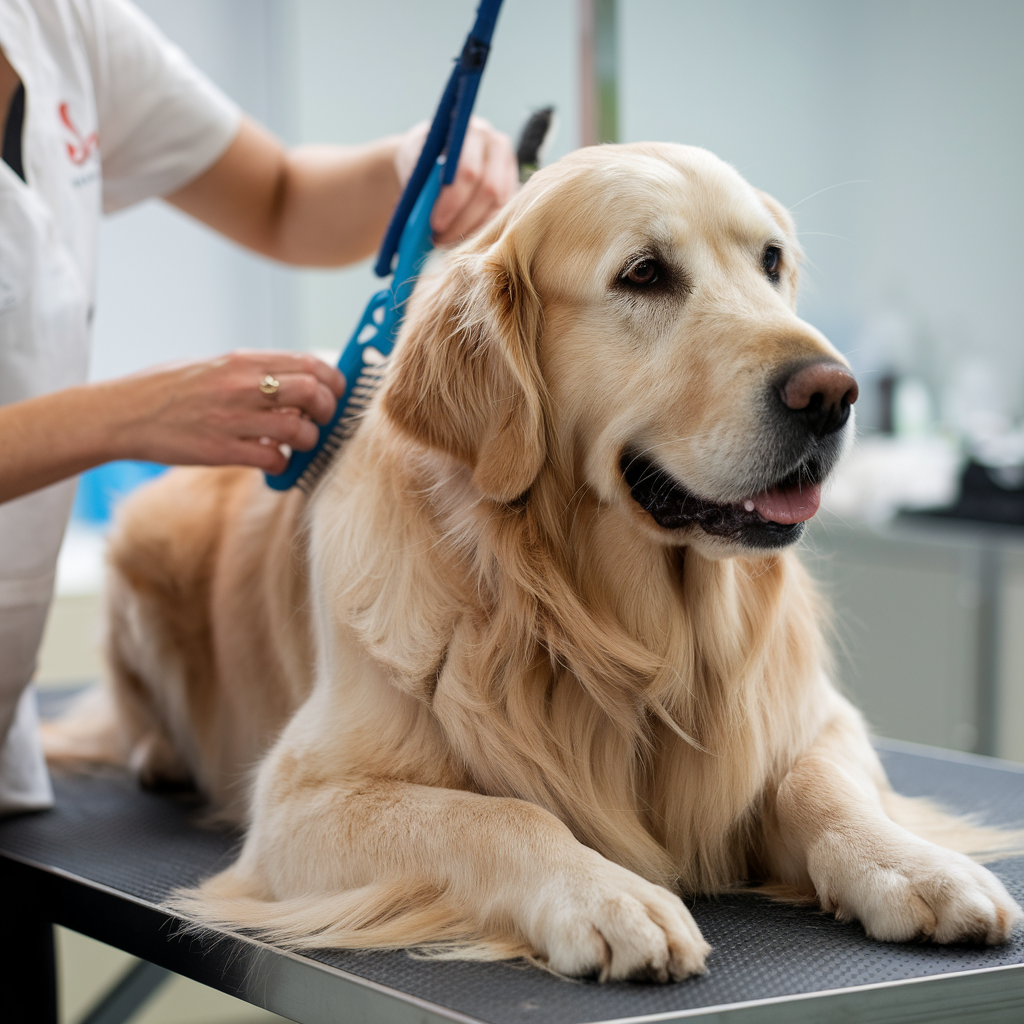
Brush your dog's coat regularly to remove loose hair, prevent matting, and distribute natural oils. The frequency of brushing depends on your dog's coat type[2][4].
Bathing
Bathe your dog as needed, typically every few months or when they get particularly dirty. Use dog-specific shampoo to maintain their skin's pH balance[1][2].
Nail Trimming
Keep your dog's nails trimmed to prevent discomfort and potential joint issues. If you're unsure how to do this safely, consult a professional groomer or veterinarian[1][2].
Dental Care
Maintain your dog's oral health by brushing their teeth regularly with dog-specific toothpaste. Consider dental chews or toys to help reduce plaque buildup[1][9].
Health Care: Preventive Measures
Regular Veterinary Check-ups
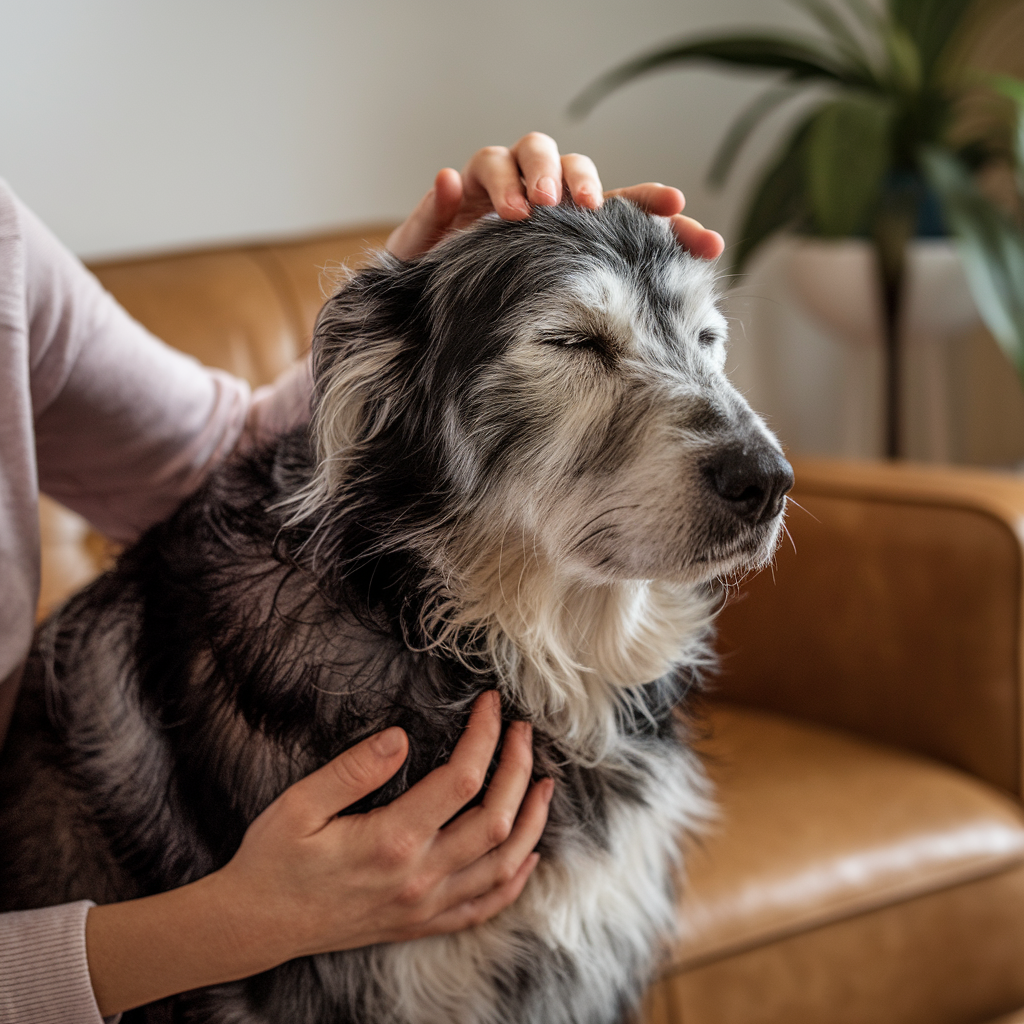
Schedule annual wellness visits with your veterinarian to catch potential health issues early. These visits should include physical examinations, vaccinations, and preventive care discussions[1][6].
Vaccinations
Keep your dog up-to-date on core vaccinations and discuss non-core vaccines with your veterinarian based on your dog's lifestyle and risk factors[9].
Parasite Prevention
Use monthly preventatives for heartworm, fleas, and ticks as recommended by your veterinarian[9].
Spaying/Neutering
Consider spaying or neutering your dog to prevent unwanted litters and reduce the risk of certain health issues[15].
Creating a Safe and Comfortable Environment
Dog-Proofing Your Home
Ensure your home is safe for your dog by removing potential hazards such as toxic plants, chemicals, and small objects that could be swallowed[1][8].
Comfortable Resting Areas
Provide your dog with comfortable sleeping areas throughout your home. Consider orthopedic beds for older dogs or those with joint issues[8].
Safe Outdoor Spaces
If you have a yard, make sure it's securely fenced to prevent your dog from wandering off. Remove any toxic plants or hazardous objects from the area[15].
Socialization and Bonding
Positive Interactions
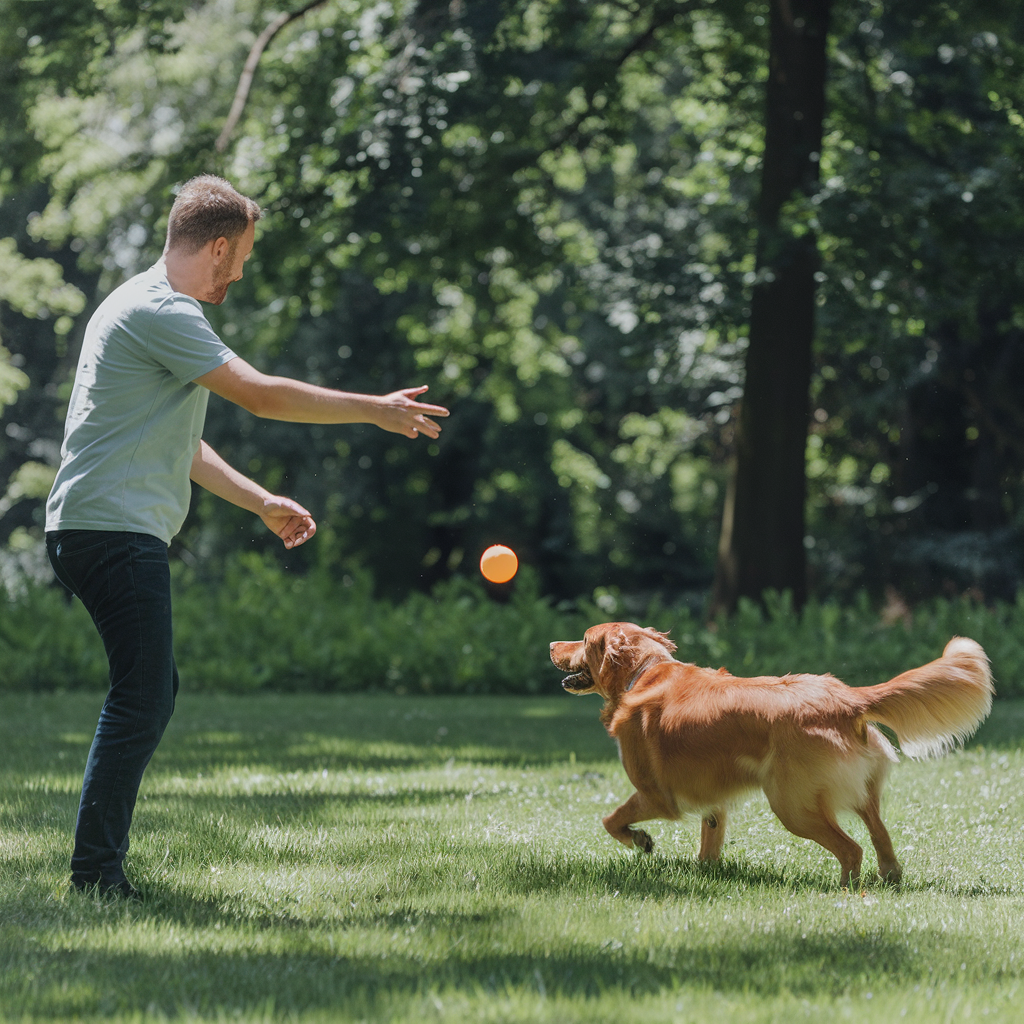
Encourage positive interactions with other dogs and people. Supervised playdates, trips to the dog park, or obedience classes can help your dog develop social skills[4][8].
Quality Time Together
Spend dedicated time with your dog each day. This can include cuddling, playing, or simply being in the same room together[8][9].
Consistent Routine
Dogs thrive on routine, so try to maintain consistent feeding, walking, and playtimes. This helps reduce anxiety and provides a sense of security[7].
Addressing Behavioral Issues
Positive Reinforcement
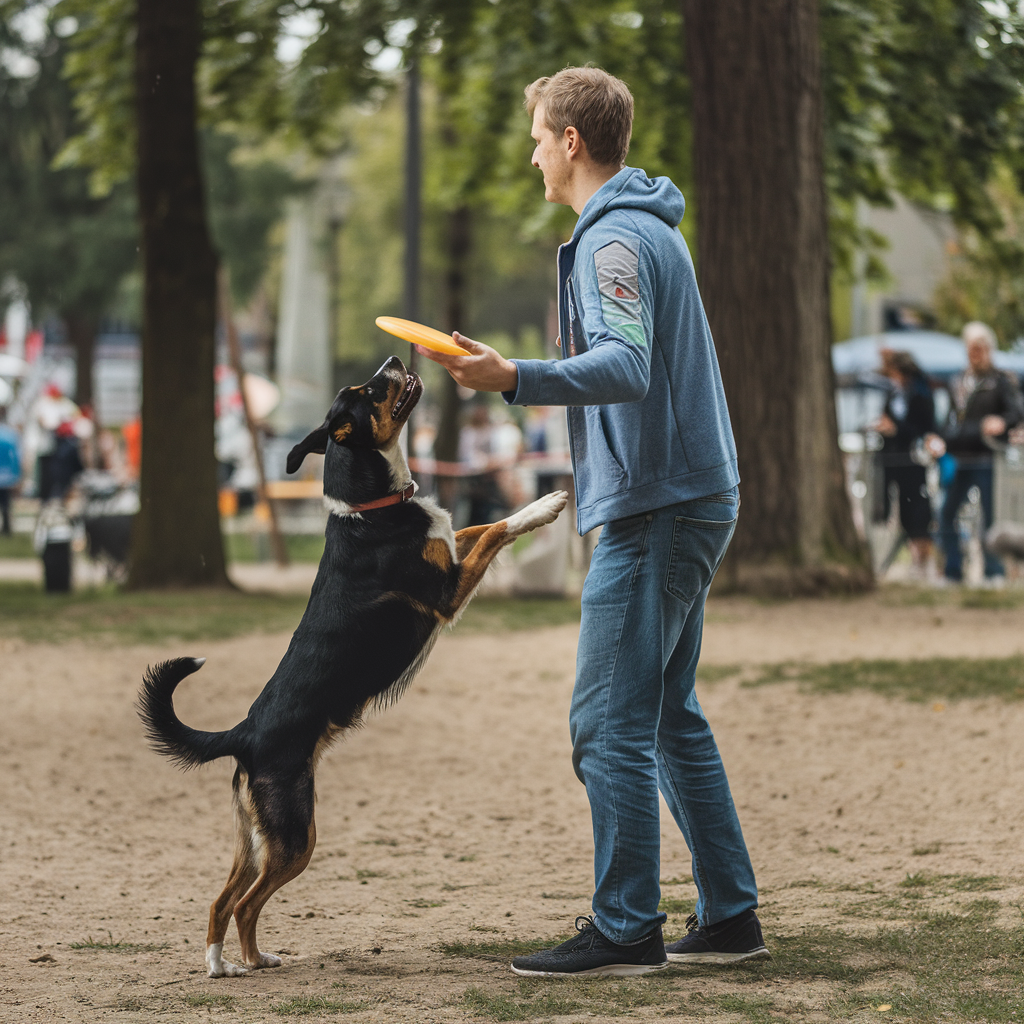
Use positive reinforcement techniques when training your dog. Reward good behavior with treats, praise, or toys to encourage repetition[13].
Professional Help
If you're struggling with behavioral issues, consider working with a professional dog trainer or behaviorist who uses reward-based methods[13].
Patience and Consistency
Remember that behavior changes take time. Be patient and consistent in your approach to training and addressing behavioral issues.
Enrichment Activities
Food Puzzles
Use food puzzles or scatter feeding to make mealtimes more engaging and stimulating for your dog[5][7].
Scent Work
Engage your dog's natural scenting abilities with games like hide-and-seek with treats or toys[11].
Agility Training
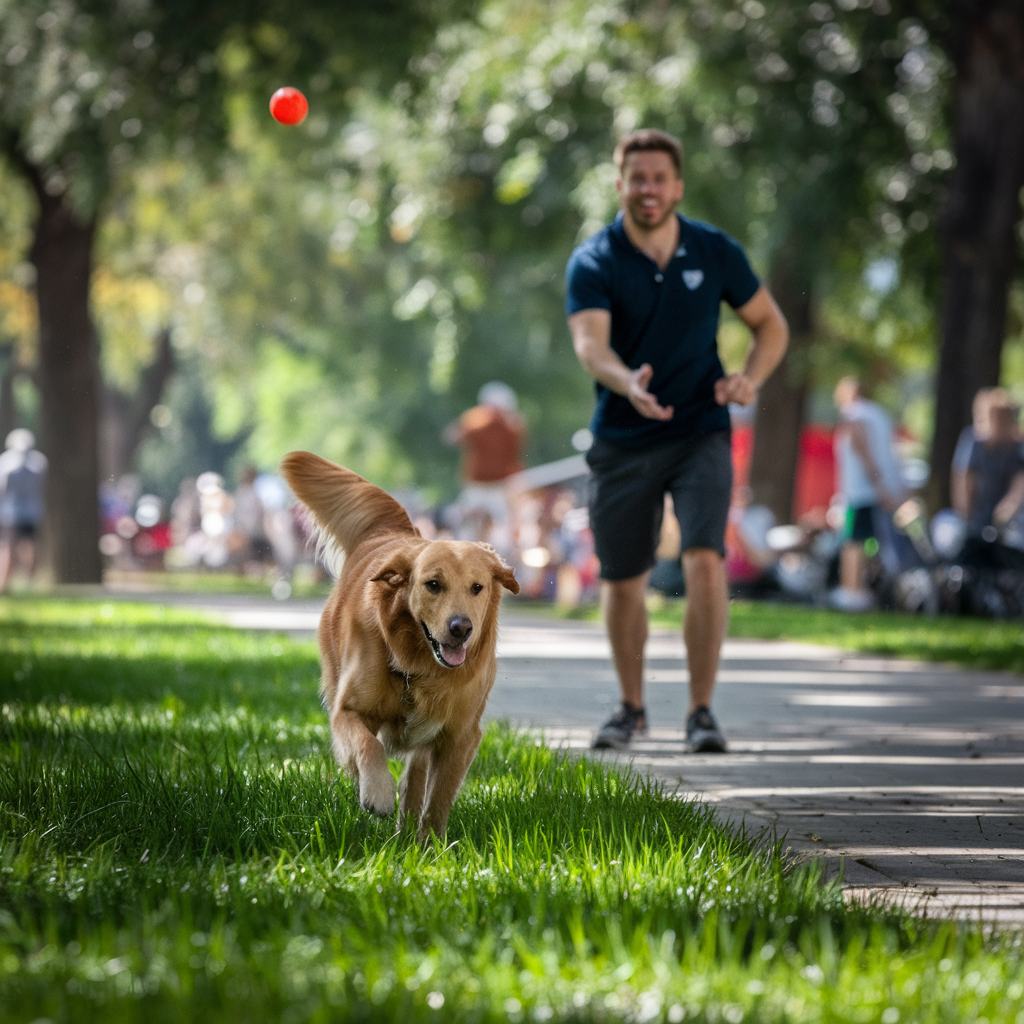
Set up a simple agility course in your backyard or participate in agility classes to provide physical and mental challenges for your dog[11].
Travel and Outings
Car Safety
When traveling by car, use a secure harness or crate to keep your dog safe. Never leave your dog unattended in a vehicle, especially in warm weather[15].
Identification
Ensure your dog always wears a collar with ID tags and consider microchipping for permanent identification[9].
Pet-Friendly Destinations
Research pet-friendly destinations for outings and vacations. This can include dog-friendly beaches, hiking trails, or restaurants with outdoor seating[8].
Senior Dog Care
Adjusted Exercise
As your dog ages, adjust their exercise routine to accommodate any physical limitations. Shorter, more frequent walks may be more appropriate for senior dogs[16].
Regular Health Checks
Increase the frequency of veterinary check-ups for senior dogs to monitor for age-related health issues[9].
Comfortable Living Spaces
Provide soft bedding and easy access to food, water, and resting areas for older dogs who may have mobility issues[15].
Monitoring Your Dog's Health
Know Your Dog's Normal
Familiarize yourself with your dog's normal behavior, eating habits, and physical condition. This will help you quickly identify any changes that may indicate health issues[6].
Regular Home Check-ups
Perform regular at-home health checks, including examining your dog's skin, ears, eyes, and mouth for any abnormalities[15].
Weight Management
Monitor your dog's weight regularly and adjust their diet and exercise as needed to maintain a healthy body condition[1][2].
Emergency Preparedness
First Aid Kit
Keep a pet first aid kit in your home and car. Include items such as gauze, bandages, and any medications your dog may need[15].
Emergency Contacts
Have your veterinarian's contact information easily accessible, as well as the number for a 24-hour emergency veterinary clinic[9].
Evacuation Plan
Include your dog in your family's emergency evacuation plan. Prepare a go-bag with essential supplies, including food, water, and any necessary medications[15].
Conclusion

Keeping your dog happy and healthy requires dedication, consistency, and love. By following this comprehensive guide, you'll be well-equipped to provide your furry friend with the care they need to thrive. Remember that every dog is unique, so it's important to tailor these recommendations to your individual pet's needs and consult with your veterinarian for personalized advice.
A happy, healthy dog is a joy to be around and can significantly enhance your life. The time and effort you invest in your dog's wellbeing will be rewarded with years of loyal companionship and unconditional love. By prioritizing your dog's physical and mental health, you're not just caring for a pet – you're nurturing a cherished member of your family.
References
- Morris Animal Foundation - Dog Health Resolution
- Scenthound - Celebrate Pet Wellness Year-Round Dog Health & Happiness Guide
- Alondra Animal Hospital - Dog Happy Healthy
- Petplan - How to Make Your Dog Happy
- Glad Dogs Nation - 7 Tips for Maintaining Your Dog's Happiness and Health
- AKC - How to Keep Your Dog Healthy
- Purina - 10 Tips to Keep Dogs and Cats Happy Indoors
- PetsPyjamas - Top 10 Tips for Dog Health & Happiness
- AKC Canine Health Foundation - 10 Tips to Keep Your Dog Healthy
- Pet Plate - 7 Tips to Keep Your Dog Healthy and Happy
- PetMD - Tips for a Healthy Dog
- ASPCA - General Dog Care
- RSPCA Pet Insurance - Help Your Dog Live a Healthy Life
- Awardog - The Ultimate Guide to Keeping Your Dog Healthy and Happy
- RSPCA - Dog Health and Welfare
- Sploot Vets - Routine Care for Dogs: Your Complete Guide to Amazing Dog Care
- A Dog's Life Boston - A Dog's Guide to Happiness
Related Articles
Dog Nutrition 101: Feeding Your Pup for Optimal Wellness
Learn about the essential nutrients your dog needs for a healthy, balanced diet at every life stage.
Ensuring a Happy, Healthy Life for Your Dog
Discover the key elements to keeping your dog physically fit and mentally stimulated for a fulfilling life.
Positive Reinforcement: The Key to Dog Training Success
Learn how positive reinforcement techniques can transform your dog's behavior and strengthen your bond.