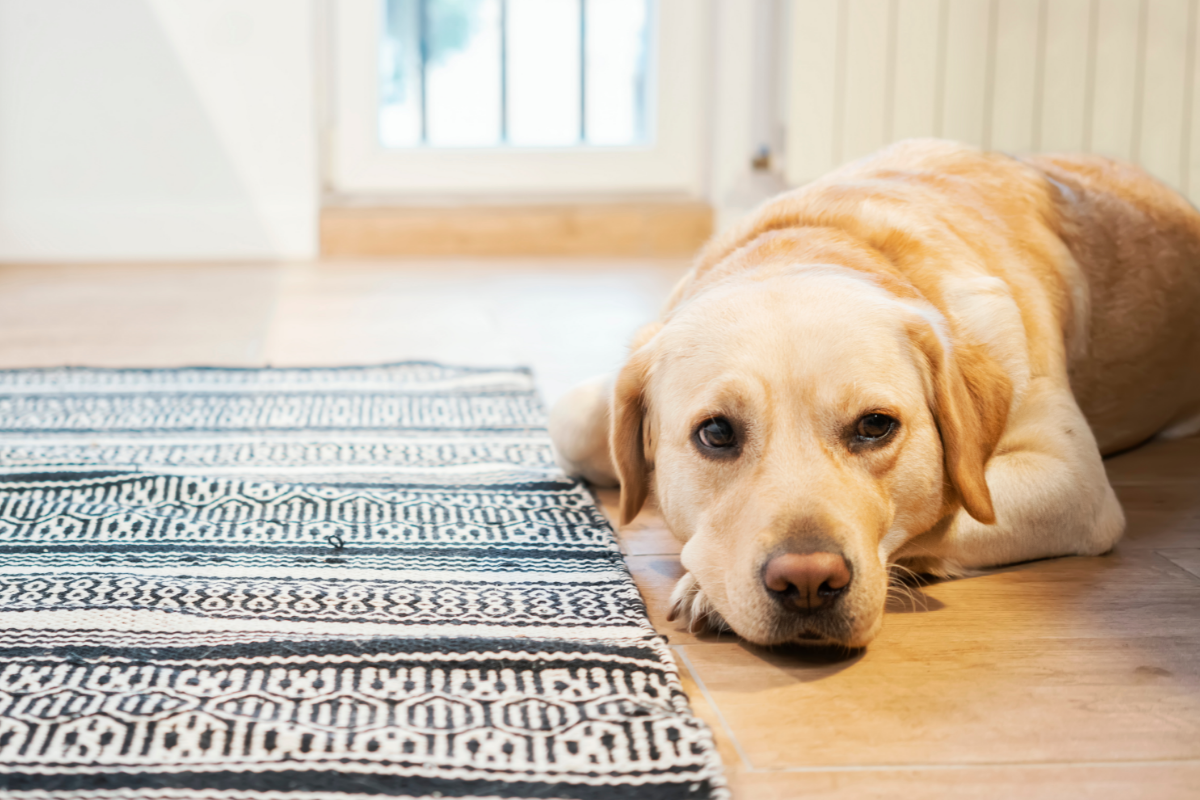
Top 10 Wellness Tips for a Longer, Healthier Life for Your Dog
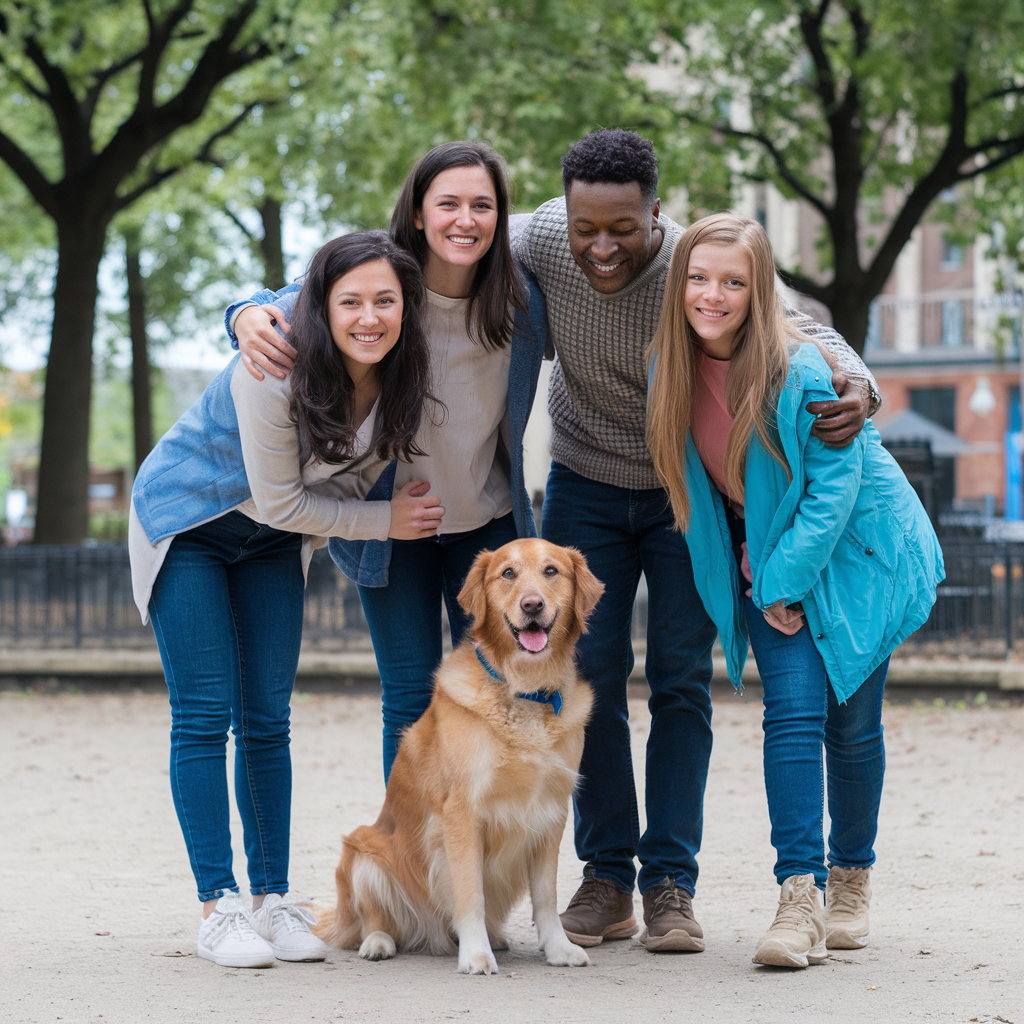
Our canine companions bring immeasurable joy and love into our lives. As responsible pet owners, ensuring their health and happiness is a top priority. By implementing proper wellness practices, you can help your furry friend live a longer, healthier, and more fulfilling life. This comprehensive guide outlines the top 10 wellness tips that veterinarians and animal health experts recommend for optimal canine health.
Table of Contents
- 1. Provide a Balanced, Nutritious Diet
- 2. Maintain a Healthy Weight
- 3. Ensure Regular Exercise
- 4. Schedule Regular Veterinary Check-ups
- 5. Practice Good Dental Hygiene
- 6. Implement a Parasite Prevention Routine
- 7. Provide Mental Stimulation and Socialization
- 8. Groom Regularly
- 9. Create a Safe Environment
- 10. Show Lots of Love and Attention
Provide a Balanced, Nutritious Diet
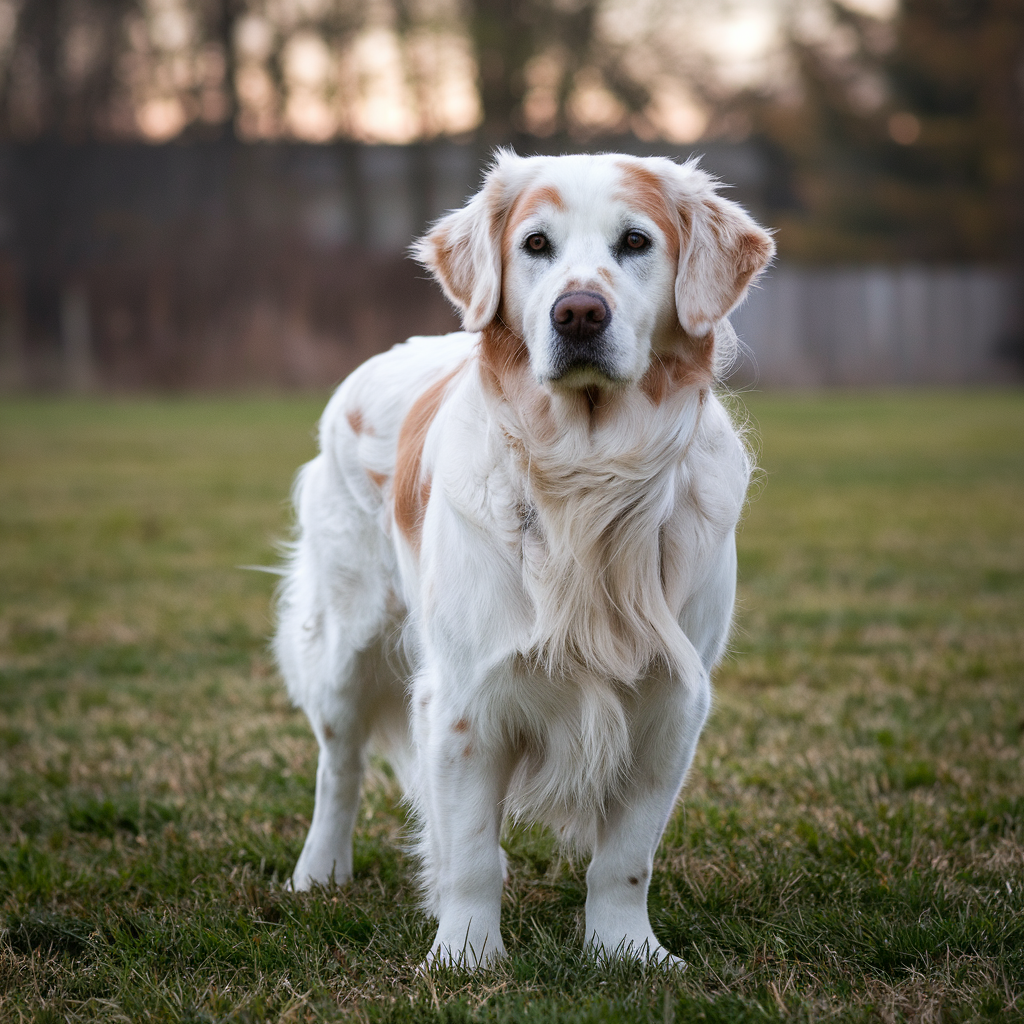
A well-balanced diet is the foundation of good health for dogs. Just as humans need proper nutrition to function optimally, dogs require a diet that meets their specific nutritional needs[1][4].
Choose High-Quality Dog Food
Opt for dog food that contains high-quality ingredients and provides a balanced diet. Look for options that list a specific meat (such as chicken, beef, or fish) as the first ingredient, rather than meat by-products or fillers[1].
Portion Control
Overfeeding is a common issue that can lead to obesity and related health problems. Follow the feeding guidelines on the food packaging, but also consider your dog's age, size, and activity level. Your veterinarian can help you determine the appropriate portion sizes for your dog[2].
Consider Special Dietary Needs
Some dogs may have specific dietary requirements due to age, health conditions, or allergies. Consult with your veterinarian to determine if your dog needs a specialized diet[7].
Limit Treats
While treats are great for training and bonding, they should only make up about 10% of your dog's daily caloric intake. Consider using healthy alternatives like small pieces of fruits or vegetables (ensuring they're safe for dogs) as treats[2].
Fresh Water
Always provide clean, fresh water for your dog. Change the water daily and clean the bowl regularly to prevent bacterial growth[4].
Maintain a Healthy Weight
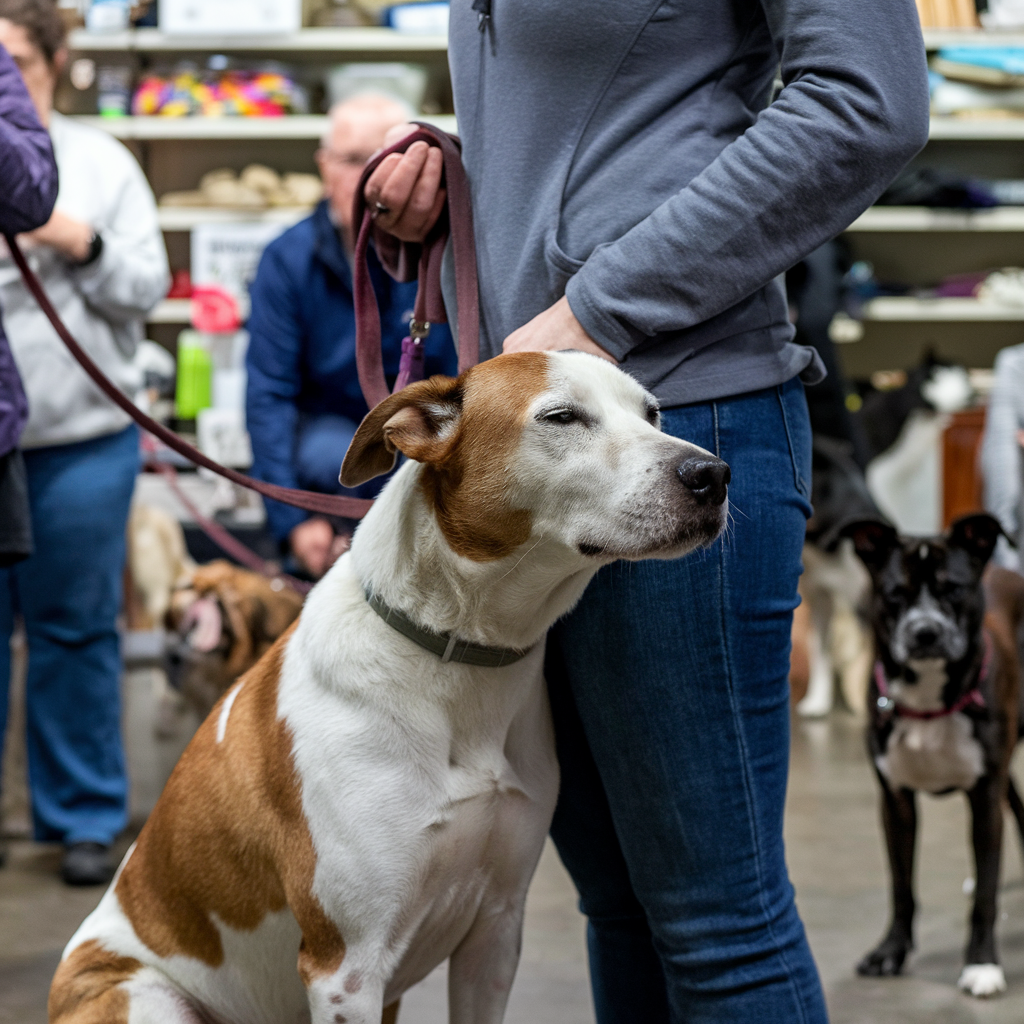
Obesity is a growing problem among dogs and can lead to numerous health issues, including diabetes, joint problems, and heart disease. Keeping your dog at a healthy weight is crucial for their overall well-being[2][4].
Regular Weigh-Ins
Monitor your dog's weight regularly. You should be able to feel your dog's ribs without seeing them, and they should have a visible waist when viewed from above[2].
Adjust Food Intake
If your dog is overweight, work with your veterinarian to develop a safe weight loss plan. This may involve reducing portion sizes or switching to a lower-calorie food[7].
Avoid Table Scraps
Human food is often high in calories and can contribute to weight gain. Stick to dog-specific treats and foods[4].
Ensure Regular Exercise
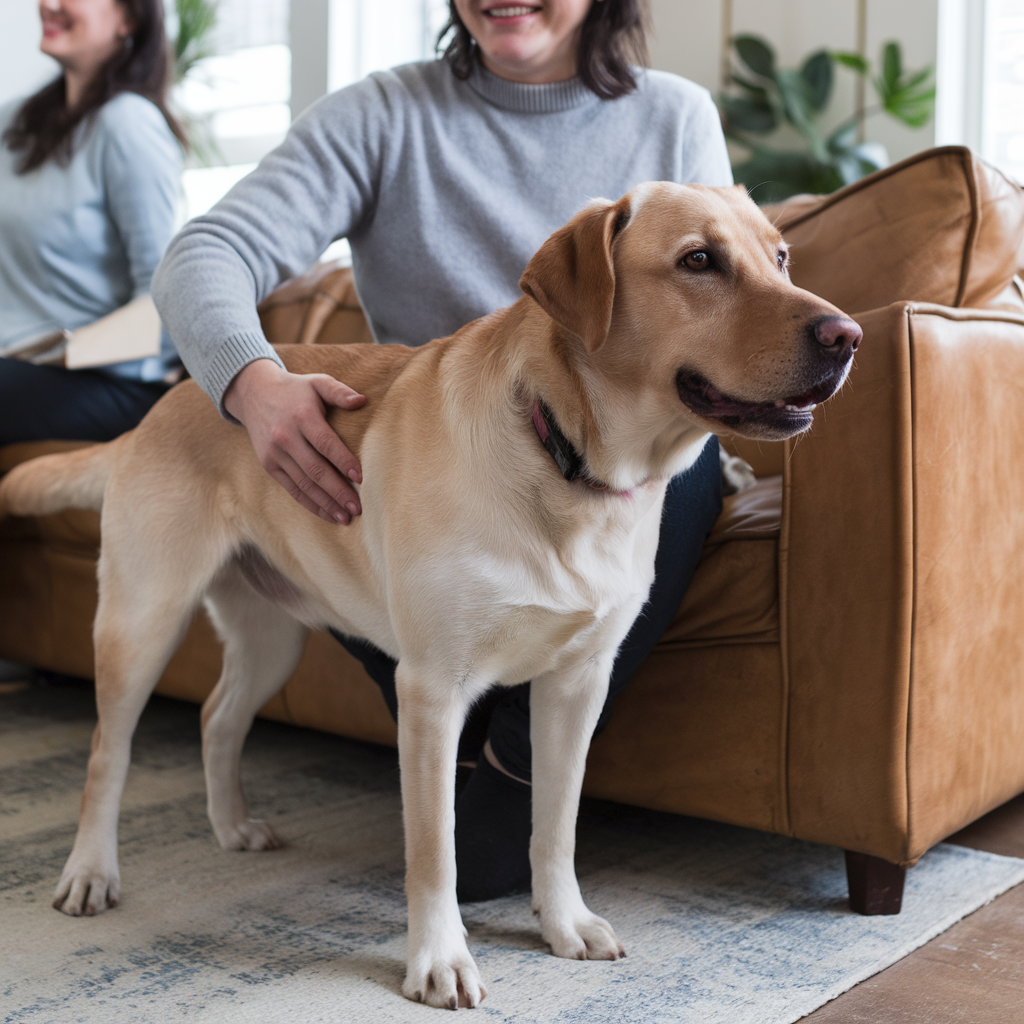
Exercise is essential for maintaining your dog's physical and mental health. Regular activity helps keep your dog's weight in check, strengthens their muscles and bones, and provides mental stimulation[1][2][4].
Daily Walks
Most dogs benefit from at least one or two walks per day. The length and intensity of these walks should be appropriate for your dog's age, breed, and fitness level[1].
Playtime
Incorporate interactive play sessions into your daily routine. This could include games of fetch, tug-of-war, or hide-and-seek[6].
Mental Stimulation
Provide puzzle toys or food-dispensing toys to keep your dog's mind active. This is especially important for high-energy breeds or dogs that spend a lot of time alone[1][6].
Swimming
For dogs that enjoy water, swimming can be an excellent low-impact exercise, especially beneficial for older dogs or those with joint issues[13].
Schedule Regular Veterinary Check-ups
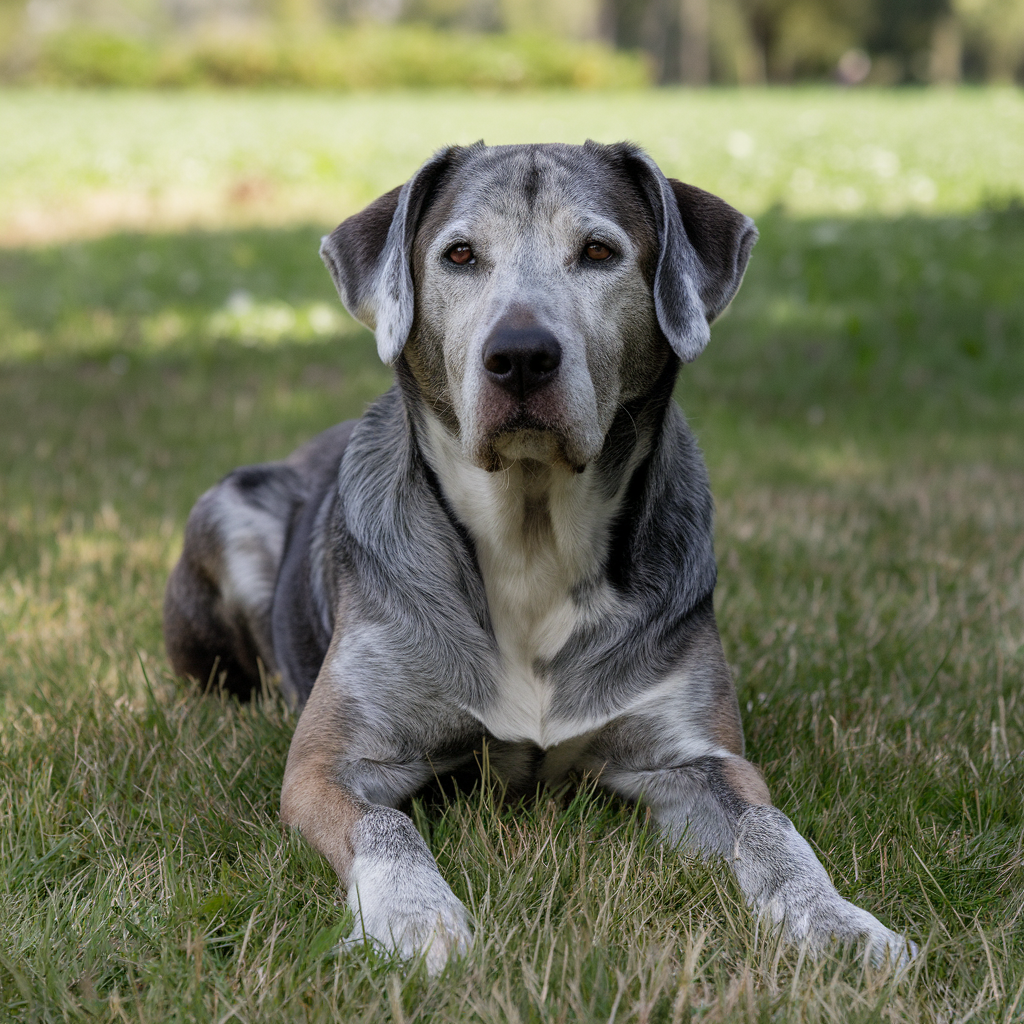
Preventive care is key to catching and addressing health issues early. Regular veterinary visits allow for early detection and treatment of potential problems[1][4][8].
Annual Wellness Exams
Schedule yearly check-ups for adult dogs. Puppies and senior dogs may need more frequent visits[4].
Vaccinations
Keep your dog up-to-date on core vaccinations and discuss with your vet which non-core vaccines might be appropriate based on your dog's lifestyle and risk factors[4][8].
Dental Check-ups
Include dental examinations in your dog's regular check-ups. Dental disease can lead to other health issues if left untreated[1].
Bloodwork
Consider annual bloodwork, especially for older dogs, to detect any internal health issues that might not be visible externally[4].
Practice Good Dental Hygiene
Dental health is often overlooked but is crucial for your dog's overall well-being. Poor dental hygiene can lead to gum disease, tooth loss, and even systemic infections[1][4].
Daily Brushing
Brush your dog's teeth daily using a dog-specific toothpaste. If daily isn't possible, aim for at least 2-3 times per week[1].
Dental Chews and Toys
Provide dental chews and toys designed to help clean your dog's teeth. Look for products approved by the Veterinary Oral Health Council[4].
Professional Cleanings
Schedule professional dental cleanings as recommended by your veterinarian. This typically involves anesthesia and allows for a thorough cleaning and examination of your dog's mouth[1].
Implement a Parasite Prevention Routine
Parasites such as fleas, ticks, and heartworms can cause serious health issues for dogs. A comprehensive parasite prevention plan is essential for your dog's health[1][4][8].
Year-Round Prevention
Use year-round flea, tick, and heartworm preventatives as recommended by your veterinarian. Even in colder climates, year-round protection is often necessary[4].
Regular Checks
Inspect your dog for ticks after outdoor activities, especially if you live in or visit tick-prone areas[8].
Deworming
Follow your veterinarian's recommendations for deworming. Puppies often need more frequent deworming than adult dogs[4].
Provide Mental Stimulation and Socialization
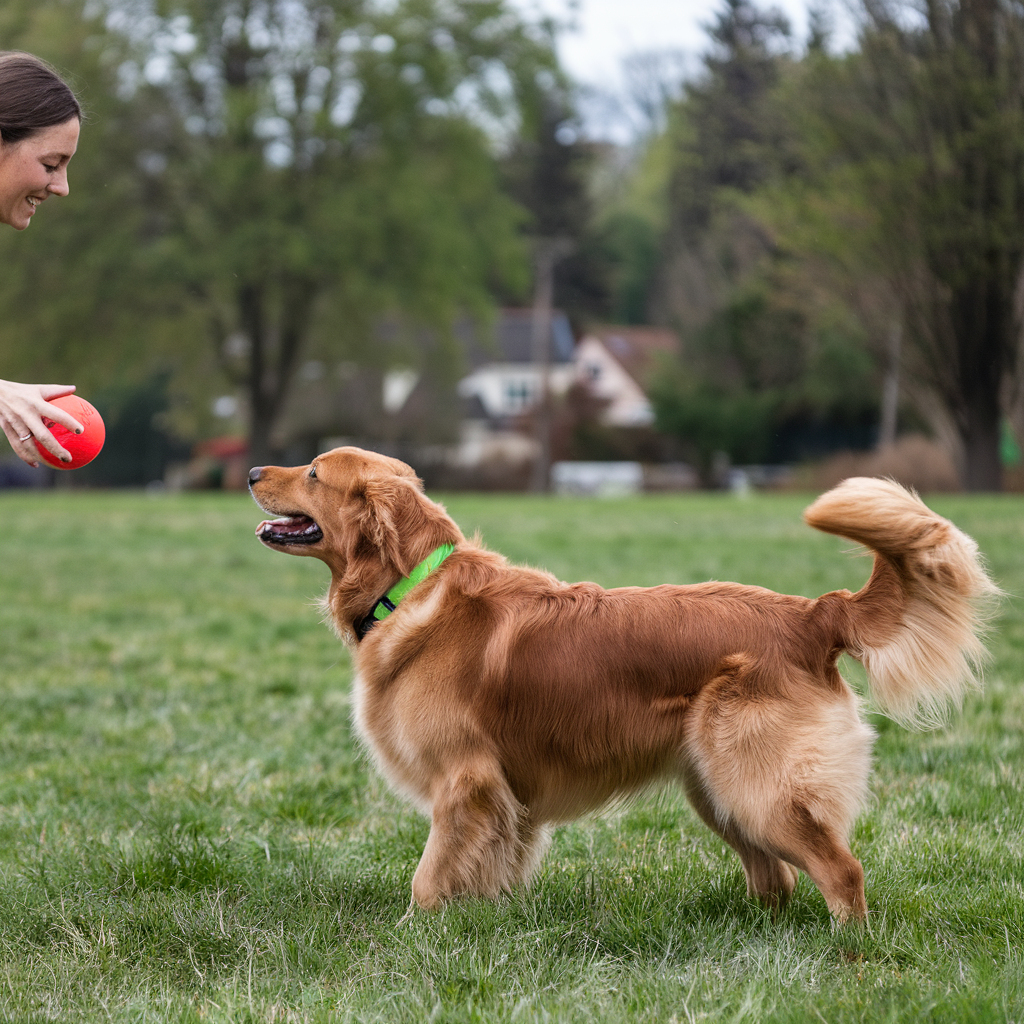
A mentally stimulated dog is a happy dog. Boredom can lead to destructive behaviors and anxiety. Additionally, proper socialization helps your dog feel comfortable in various situations[1][6].
Interactive Toys
Provide puzzle toys, treat-dispensing toys, and other interactive games to keep your dog's mind engaged[1].
Training Sessions
Regular training sessions, even for adult dogs, provide mental stimulation and strengthen your bond[6].
Socialization Opportunities
Expose your dog to various people, animals, and environments from a young age. For adult dogs, continue to provide positive social experiences[6].
New Experiences
Introduce your dog to new sights, sounds, and smells regularly. This could be as simple as taking different walking routes or visiting new dog-friendly locations[9].
Groom Regularly
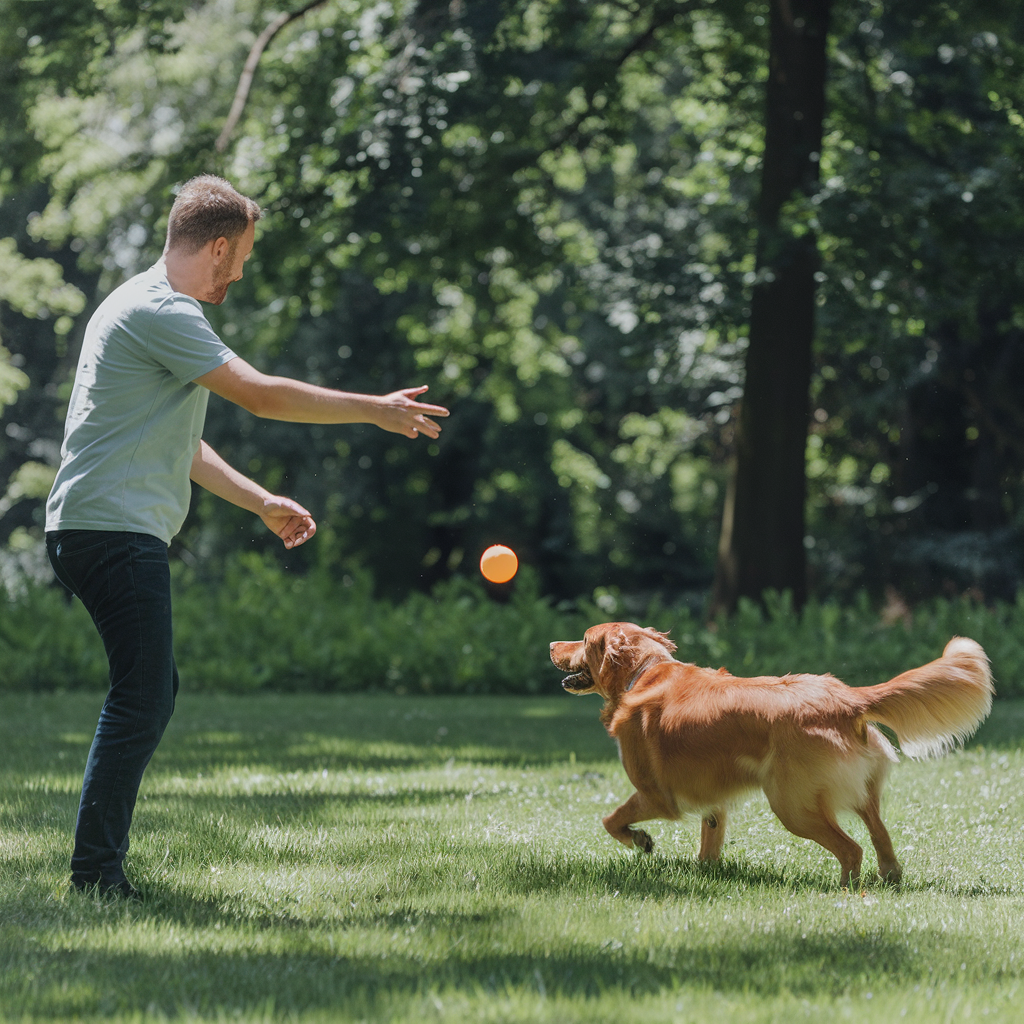
Regular grooming not only keeps your dog looking their best but also allows you to check for any skin issues, lumps, or other abnormalities[5].
Brushing
Brush your dog's coat regularly to remove loose fur, prevent matting, and distribute natural oils. The frequency depends on your dog's coat type[5].
Bathing
Bathe your dog as needed, using a dog-specific shampoo. Over-bathing can strip the natural oils from their coat[5].
Nail Trimming
Keep your dog's nails trimmed to prevent discomfort and potential injuries. If you're not comfortable doing this yourself, have a professional groomer or veterinarian do it[1].
Ear Cleaning
Check and clean your dog's ears regularly, especially if they're prone to ear infections[5].
Create a Safe Environment
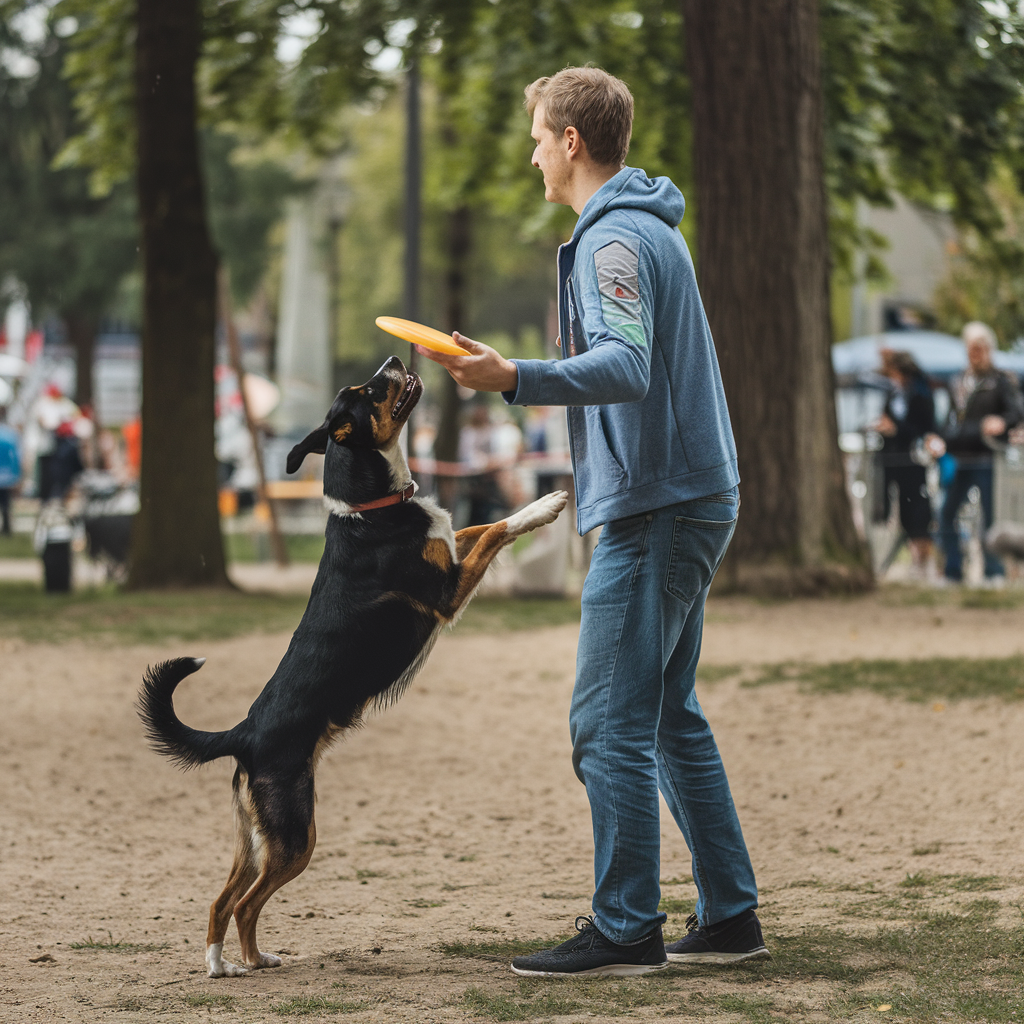
Ensuring your dog's environment is safe can prevent accidents and reduce stress[10].
Pet-Proof Your Home
Keep toxic substances, small objects that could be swallowed, and dangerous foods out of your dog's reach[10].
Secure Fencing
If you have a yard, ensure it's securely fenced to prevent your dog from wandering off[10].
Identification
Make sure your dog always wears a collar with ID tags. Consider microchipping as a permanent form of identification[4].
Safe Travel
Use a secure harness or crate when traveling by car to keep your dog safe in case of an accident[10].
Show Lots of Love and Attention
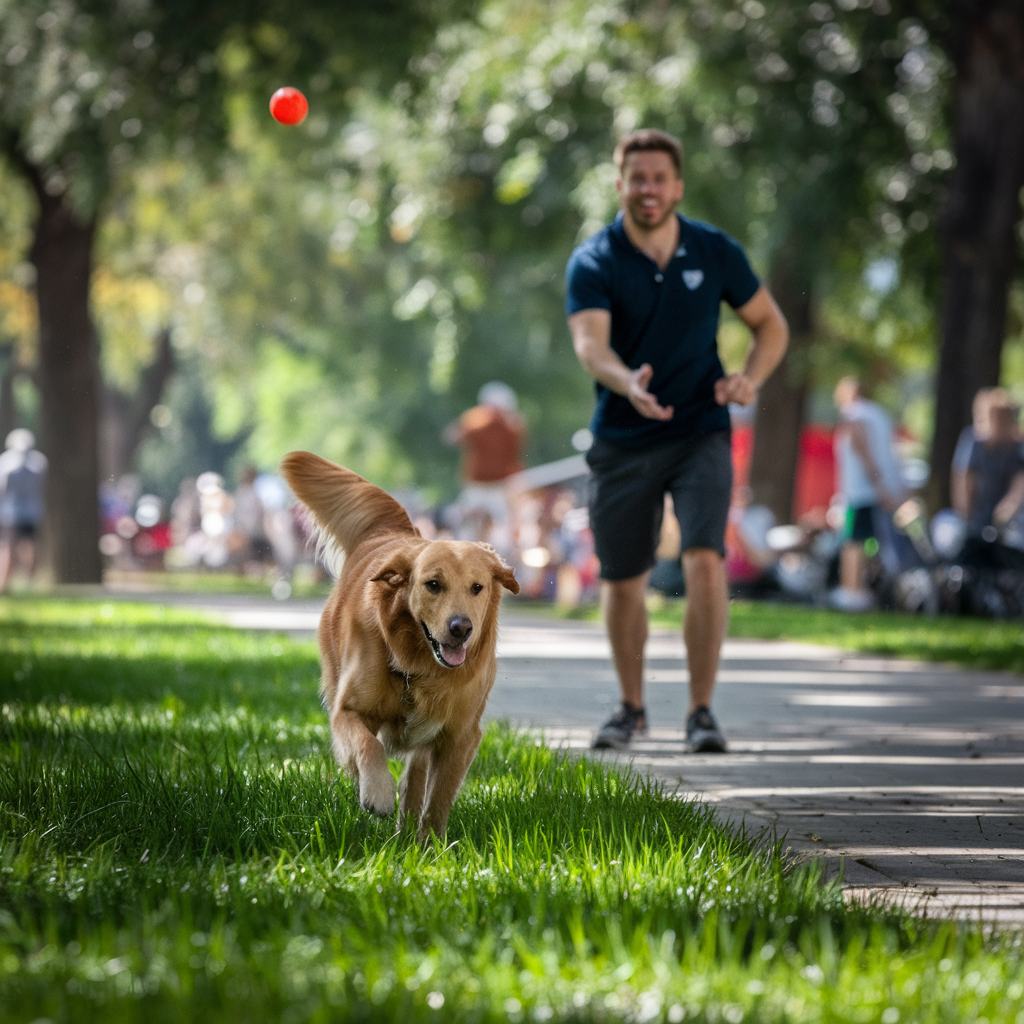
Last but certainly not least, showering your dog with love and attention is crucial for their emotional well-being, which in turn affects their physical health[1][6].
Quality Time
Spend dedicated time with your dog each day, engaging in activities they enjoy[6].
Physical Affection
Most dogs love physical touch. Pet, cuddle, and massage your dog regularly[6].
Positive Reinforcement
Use praise and rewards to reinforce good behavior and strengthen your bond[9].
Consistency
Maintain a consistent routine and set of rules to help your dog feel secure[6].
8. Groom Regularly
## 8. Groom Regularly
Regular grooming not only keeps your dog looking their best but also allows you to check for any skin issues, lumps, or other abnormalities[5].
**Brushing**: Brush your dog's coat regularly to remove loose fur, prevent matting, and distribute natural oils. The frequency depends on your dog's coat type[5].
**Bathing**: Bathe your dog as needed, using a dog-specific shampoo. Over-bathing can strip the natural oils from their coat[5].
**Nail Trimming**: Keep your dog's nails trimmed to prevent discomfort and potential injuries. If you're not comfortable doing this yourself, have a professional groomer or veterinarian do it[1].
**Ear Cleaning**: Check and clean your dog's ears regularly, especially if they're prone to ear infections[5].
9. Create a Safe Environment
## 9. Create a Safe Environment
Ensuring your dog's environment is safe can prevent accidents and reduce stress[10].
**Pet-Proof Your Home**: Keep toxic substances, small objects that could be swallowed, and dangerous foods out of your dog's reach[10].
**Secure Fencing**: If you have a yard, ensure it's securely fenced to prevent your dog from wandering off[10].
**Identification**: Make sure your dog always wears a collar with ID tags. Consider microchipping as a permanent form of identification[4].
**Safe Travel**: Use a secure harness or crate when traveling by car to keep your dog safe in case of an accident[10].
10. Show Lots of Love and Attention
## 10. Show Lots of Love and Attention
Last but certainly not least, showering your dog with love and attention is crucial for their emotional well-being, which in turn affects their physical health[1][6].
**Quality Time**: Spend dedicated time with your dog each day, engaging in activities they enjoy[6].
**Physical Affection**: Most dogs love physical touch. Pet, cuddle, and massage your dog regularly[6].
**Positive Reinforcement**: Use praise and rewards to reinforce good behavior and strengthen your bond[9].
**Consistency**: Maintain a consistent routine and set of rules to help your dog feel secure[6].
References
- Morris Animal Foundation - Dog Health Resolution
- Central Valley Animal Hospital - 6 Tips for Keeping Your Dog Healthy
- Alondra Animal Hospital - Dog Happy Healthy
- AKC Canine Health Foundation - 10 Tips to Keep Your Dog Healthy
- RSPCA - Dog Health and Welfare
- AKC - How to Make Your Dog Happy
- ASPCA Pet Insurance - Dog Wellness Routine
- AVMA - 7 Things You Can Do to Keep Your Pet Healthy
- Petplan - How to Make Your Dog Happy
- Vetster - Preventative Wellness Tips for Your Dog
- Fera Pets - National Pet Wellness Month: 8 Ways to Better Care for Your Pet's Health
- College Hills Veterinary Hospital - 10 Proven Ways to Keep Your Pet Healthy
- PetMD - Tips for a Healthy Dog
- AKC - How to Keep Your Dog Healthy
- Pacific Santa Cruz Veterinary Hospital - Pet Health Tips
Related Articles
Dog Nutrition 101: Feeding Your Pup for Optimal Wellness
Learn about the essential nutrients your dog needs for a healthy, balanced diet at every life stage.
The Ultimate Guide to Keeping Your Dog Happy and Healthy
Discover comprehensive tips for ensuring your dog's physical and mental wellbeing throughout their life.
Ensuring a Happy, Healthy Life for Your Dog
Learn essential strategies to provide your furry companion with the best possible care and environment.