
Dog Nutrition 101: Feeding Your Pup for Optimal Wellness

Proper nutrition is the cornerstone of your dog's health and wellbeing. Just as humans need a balanced diet to thrive, dogs require specific nutrients in appropriate amounts to maintain optimal health. This comprehensive guide will help you understand your dog's nutritional needs and make informed decisions about their diet at every life stage.
Table of Contents
- Understanding Canine Nutritional Needs
- Tailoring Nutrition to Life Stages
- Choosing the Right Dog Food
- Feeding Practices and Schedules
- Common Nutritional Issues
- Supplements: Necessary or Not?
- The Role of Nutrition in Disease Prevention
- Transitioning to New Foods
- Monitoring Your Dog's Nutritional Health
Understanding Canine Nutritional Needs

Dogs are omnivores, capable of digesting both animal and plant matter. However, their nutritional requirements lean more towards a carnivorous diet. A balanced canine diet should include six essential nutrients:
Proteins are crucial for dogs, serving as the building blocks for tissues, muscles, and organs. They also play a vital role in producing hormones and enzymes[1]. Dogs require 10 essential amino acids that they cannot produce on their own, which must be obtained through their diet[34].
High-quality protein sources for dogs include:
- Lean meats (chicken, turkey, beef)
- Fish
- Eggs
- Organ meats (liver, kidney)
Fats are a concentrated source of energy for dogs. They also aid in the absorption of fat-soluble vitamins and contribute to skin and coat health[1]. Essential fatty acids, particularly omega-3 and omega-6, are crucial for various bodily functions[34].
Good sources of fats include:
- Fish oil
- Flaxseed
- Chicken fat
- Vegetable oils (in moderation)
While not strictly essential, carbohydrates provide energy and dietary fiber. They help maintain gastrointestinal health and can be a good source of certain vitamins and minerals[1].
Healthy carbohydrate sources for dogs include:
- Sweet potatoes
- Brown rice
- Oats
- Pumpkin
- Certain fruits and vegetables
Vitamins are organic compounds essential for various metabolic processes. Dogs require vitamins A, D, E, K, and B-complex vitamins[33]. Most of these can be obtained through a balanced diet, but some may need supplementation under veterinary guidance.
Minerals are inorganic elements necessary for various bodily functions, including bone formation, fluid balance, and enzyme activities[22]. Essential minerals for dogs include calcium, phosphorus, magnesium, sodium, potassium, and trace minerals like iron, zinc, and selenium.
Often overlooked, water is perhaps the most critical nutrient. It's essential for nearly all bodily functions, from regulating body temperature to aiding digestion[1]. Always ensure your dog has access to fresh, clean water.
Tailoring Nutrition to Life Stages

A dog's nutritional needs change throughout its life. Let's explore the dietary requirements for different life stages:
Puppies have higher nutritional needs due to their rapid growth and development. They require more calories, protein, and certain minerals like calcium and phosphorus[23].
Key points for puppy nutrition:
- Feed puppy-specific formulas until they reach maturity (usually 9-24 months, depending on breed size)
- Provide smaller, more frequent meals (3-4 times daily)
- Ensure proper calcium to phosphorus ratio to support bone growth
- Monitor growth rate, especially in large breeds, to prevent obesity and orthopedic issues
Once a dog reaches maturity, their nutritional needs stabilize. The focus shifts to maintaining a healthy weight and supporting overall health[24].
Guidelines for adult dog nutrition:
- Feed a balanced diet with at least 18% protein and 5.5% fat (dry matter basis)[25]
- Adjust calorie intake based on activity level and body condition
- Typically feed twice daily
- Monitor weight and adjust portions as needed
As dogs enter their senior years (usually around 7-10 years, depending on breed), their metabolism and activity levels often decrease. Their nutritional needs change accordingly[26].
Considerations for senior dog nutrition:
- May require fewer calories to prevent weight gain
- Often benefit from higher protein levels to maintain muscle mass
- May need increased fiber for digestive health
- Consider supplements for joint health (glucosamine, chondroitin)
- Monitor for age-related health issues and adjust diet accordingly
Choosing the Right Dog Food

With countless options available, selecting the right dog food can be overwhelming. Here are some factors to consider:
Most dog owners opt for commercial diets, which can be convenient and nutritionally balanced when chosen correctly. Look for foods that meet AAFCO (Association of American Feed Control Officials) standards for complete and balanced nutrition[1].
If considering a homemade diet, consult with a veterinary nutritionist to ensure it meets all your dog's nutritional needs. Homemade diets can be challenging to balance properly and may require supplements[15].
Both dry (kibble) and wet (canned) foods can provide complete nutrition. The choice often comes down to personal preference and your dog's specific needs:
- Dry food: More convenient, helps maintain dental health, more calorie-dense
- Wet food: Higher moisture content, often more palatable, easier for seniors or dogs with dental issues
Understanding dog food labels is crucial. Look for:
- Named meat sources as primary ingredients
- Whole grains or vegetables
- Avoid foods with excessive fillers or by-products
- Check for artificial preservatives, colors, or flavors
Some dogs may have specific dietary requirements due to health conditions, allergies, or sensitivities. Always consult with your veterinarian before making significant changes to your dog's diet, especially if they have health issues.
Feeding Practices and Schedules

Proper feeding practices are just as important as the food itself. Here are some guidelines:
Overfeeding is a common issue leading to obesity in dogs. Use feeding guidelines on the food packaging as a starting point, but adjust based on your dog's individual needs. Consider factors like age, activity level, and body condition[2].
Most adult dogs do well with two meals per day, spaced about 12 hours apart[17]. Puppies and some small breeds may require more frequent feeding. Stick to a consistent schedule to help with digestion and house training.
While treats can be useful for training and bonding, they should make up no more than 10% of your dog's daily caloric intake[1]. Be cautious with table scraps, as many human foods can be harmful to dogs.
Always provide access to clean, fresh water. Change the water daily and clean the bowl regularly to prevent bacterial growth.
Common Nutritional Issues
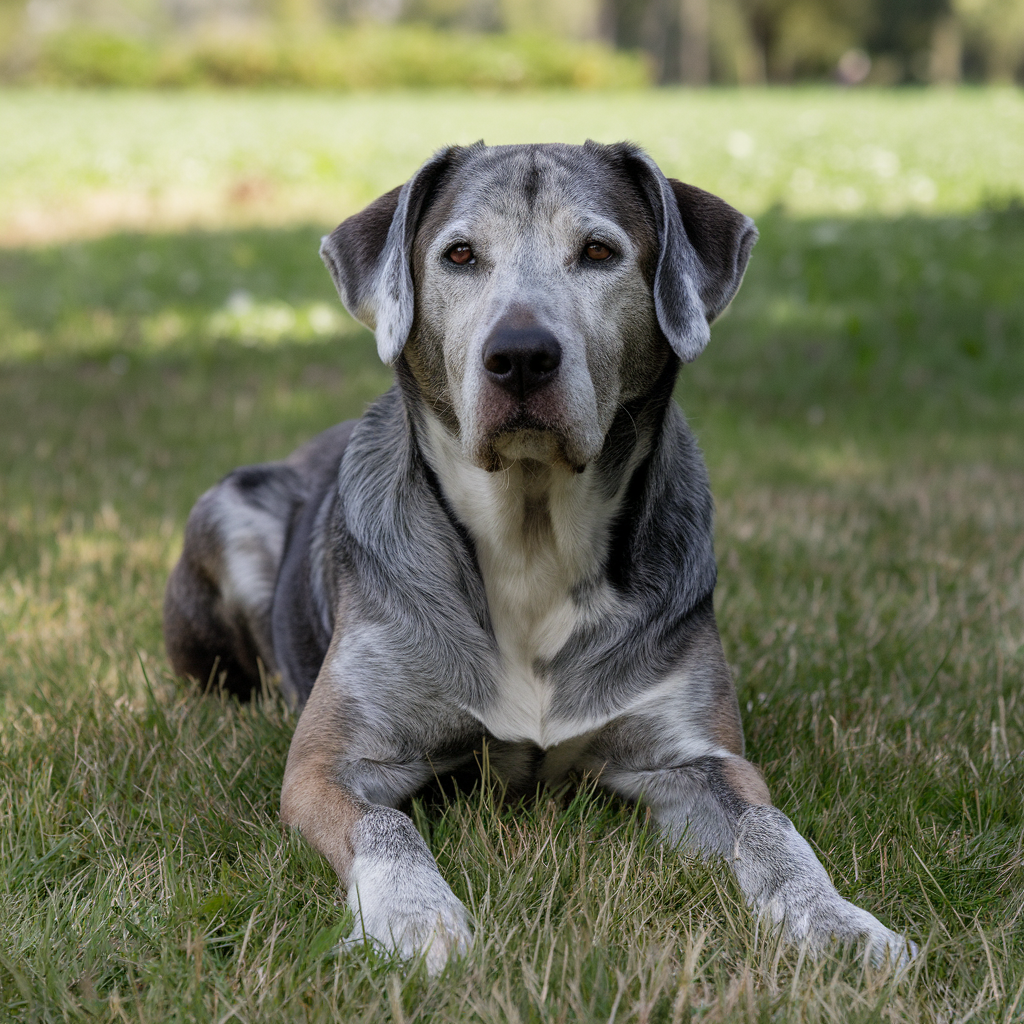
Even with the best intentions, nutritional problems can arise. Here are some common issues to watch for:
Obesity is a growing problem in dogs, leading to various health issues. Monitor your dog's body condition regularly and adjust food intake as needed. If your dog is overweight, consult your vet for a safe weight loss plan.
Deficiencies can occur if the diet is not properly balanced. Signs can include poor coat condition, lethargy, or digestive issues. Always feed a complete and balanced diet appropriate for your dog's life stage.
Some dogs may develop allergies or sensitivities to certain ingredients. Common culprits include beef, dairy, wheat, egg, chicken, lamb, soy, pork, rabbit, and fish[36]. If you suspect a food allergy, work with your vet to identify the cause and find an appropriate diet.
Supplements: Necessary or Not?
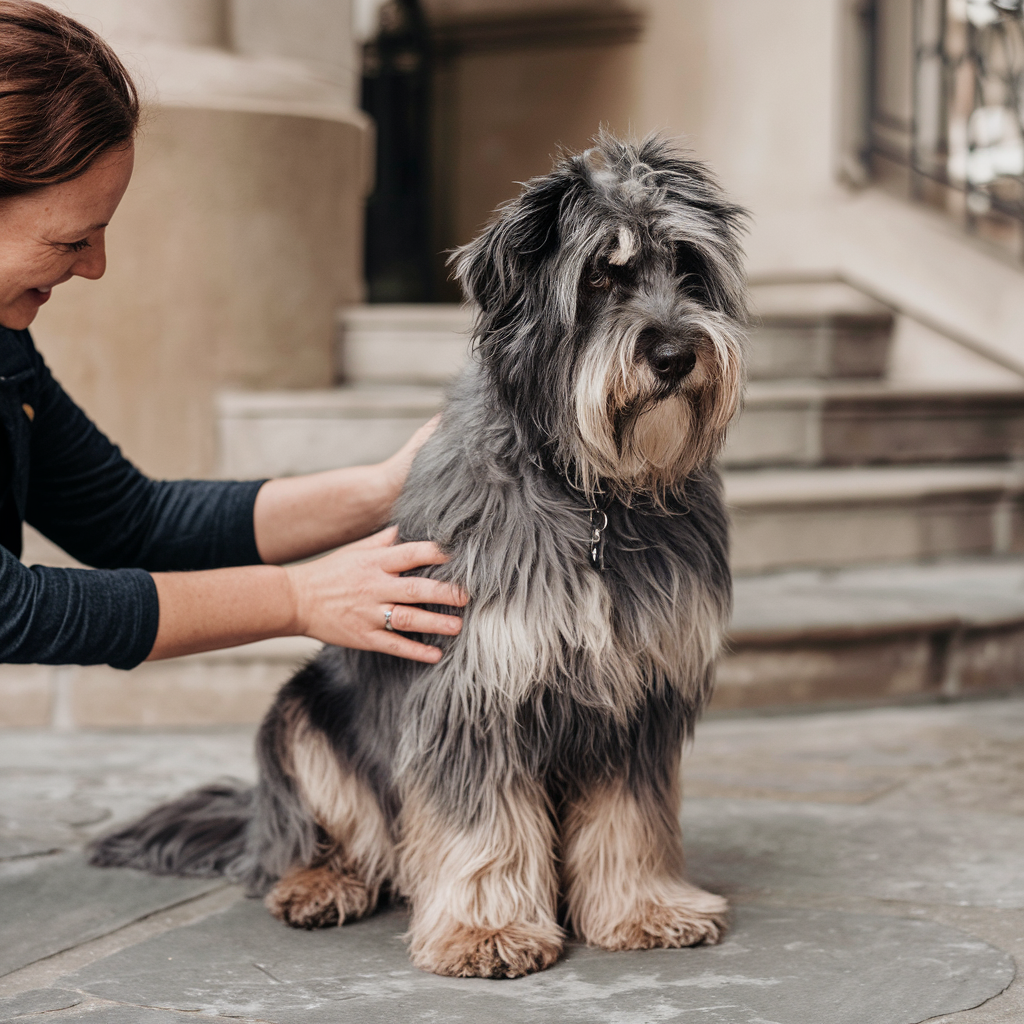
In most cases, a high-quality, balanced dog food should provide all necessary nutrients. However, some dogs may benefit from supplements under certain circumstances:
- Omega-3 fatty acids for skin, coat, and joint health
- Glucosamine and chondroitin for joint support in older dogs
- Probiotics for digestive health
Always consult with your veterinarian before adding any supplements to your dog's diet.
The Role of Nutrition in Disease Prevention

Proper nutrition plays a crucial role in preventing various health issues:
- Dental disease: Dry kibble and dental chews can help maintain oral health
- Obesity-related conditions: Proper portion control can prevent obesity and associated health problems
- Joint issues: Maintaining a healthy weight reduces stress on joints
- Digestive problems: High-quality, easily digestible ingredients support gut health
Transitioning to New Foods
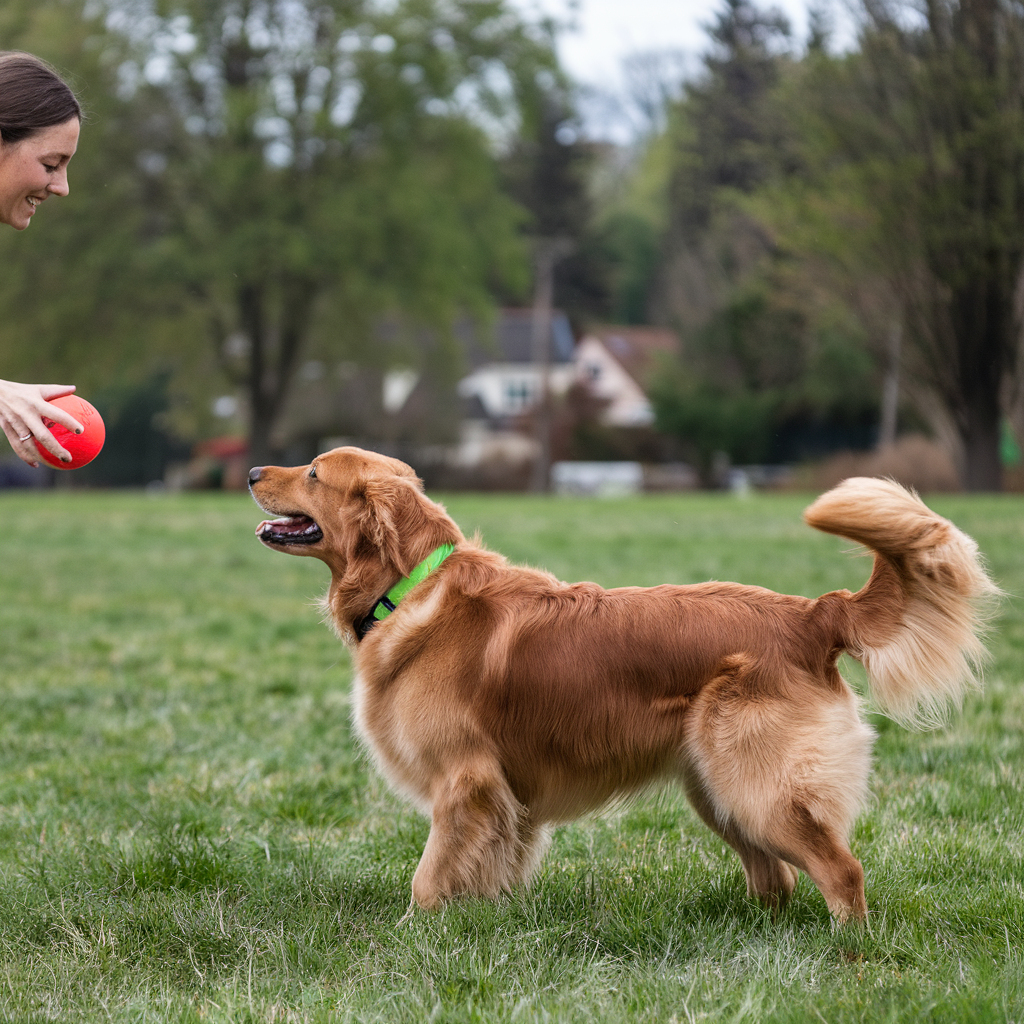
When changing your dog's diet, do so gradually over 7-10 days to avoid digestive upset. Start by mixing a small amount of the new food with the old, gradually increasing the proportion of new food[23].
- Days 1-2: 25% new food, 75% old food
- Days 3-4: 50% new food, 50% old food
- Days 5-7: 75% new food, 25% old food
- Days 8-10: 100% new food
Monitoring Your Dog's Nutritional Health

Regular check-ups with your veterinarian are essential for monitoring your dog's overall health, including their nutritional status. Between visits, keep an eye on:
- Body condition: Maintain a healthy weight with visible waist and palpable ribs
- Coat quality: A shiny, healthy coat often indicates good nutrition
- Energy levels: Consistent, appropriate energy for age and breed
- Stool quality: Firm, well-formed stools indicate good digestive health
Conclusion

References
- WebMD - Dog Nutrition
- PetMD - Are You Feeding Your Dog the Right Amount?
- Parkland Animal Clinic - 5 Essential Nutrients Dogs Need
- BetterVet - Dog Vitamins and Minerals
- PetMD - Importance of Life Stage Feeding
- PetChef - Puppies to Seniors: The Ultimate Dog Diet Guide
- VCA Hospitals - Nutrition General Feeding Guidelines for Dogs
- PetMD - Best Feeding Method
- New Age Pet - Dogs Diet for Every Life Stage
- Pureform Pet Health - From Puppy to Senior: Tailoring Nutritional Needs
- PetMD - What's in a Balanced Dog Food
- The Spruce Pets - Dog Food Basics
- Four Paws - Feeding Your Dog Properly
- Purina - Dog Nutrition Basics
- Cornell University - Re-evaluating Your Dog's Diet
- ASPCA - Dog Nutrition Tips
- VCA Hospitals - Feeding Times and Frequency for Your Dog
- Purdue University - Canine Welfare Nutrition
- Balance It - Canine Nutrition
- Just Food for Dogs - 6 Essential Nutrients
- Pet Food Institute - A to Z of Pet Food Minerals
- Pet Food Institute - Dog Nutrition
- Purina - How Long to Feed Puppy Food
- BetterVet - Pet Nutrition by Life Stage
- Chewy - The Ages and Stages of Dog Food
- TVMF - Life Stage Nutrition for Pets
- Dog Sauce - Dog Feeding Schedule by Age
- Hudson Animal Hospital - Understanding Your Dog's Nutritional Needs
- Clairmont Animal Hospital - Feeding Guidelines for Different Life Stages
- Dog Food Advisor - Life Stage Feeding Dogs
- Barc London - Dog Nutrition Chart Feeding Guide
- PetMD - What's in a Balanced Dog Food
- AKC - Vitamins Dogs Need for a Healthy Lifestyle
- WebMD - Dog Nutrition
- PetMD - Mineral: The Right Sources
- OmegaQuant - Dog Nutrition: 7 Nutrients Your Dog Needs
- Sundays for Dogs - How Much Should I Feed My Dog
- Hill's Pet - Dog Nutrition for Every Lifestage
Related Articles
Top 10 Wellness Tips for a Longer, Healthier Life for Your Dog
Discover essential wellness practices to help your dog live a longer, healthier, and happier life.
The Ultimate Guide to Keeping Your Dog Happy and Healthy
A comprehensive guide to all aspects of dog care, from nutrition to exercise, grooming, and preventive healthcare.
Essential Exercise: Keeping Your Dog Fit and Active
Learn how to create an exercise routine that keeps your dog physically fit and mentally stimulated.