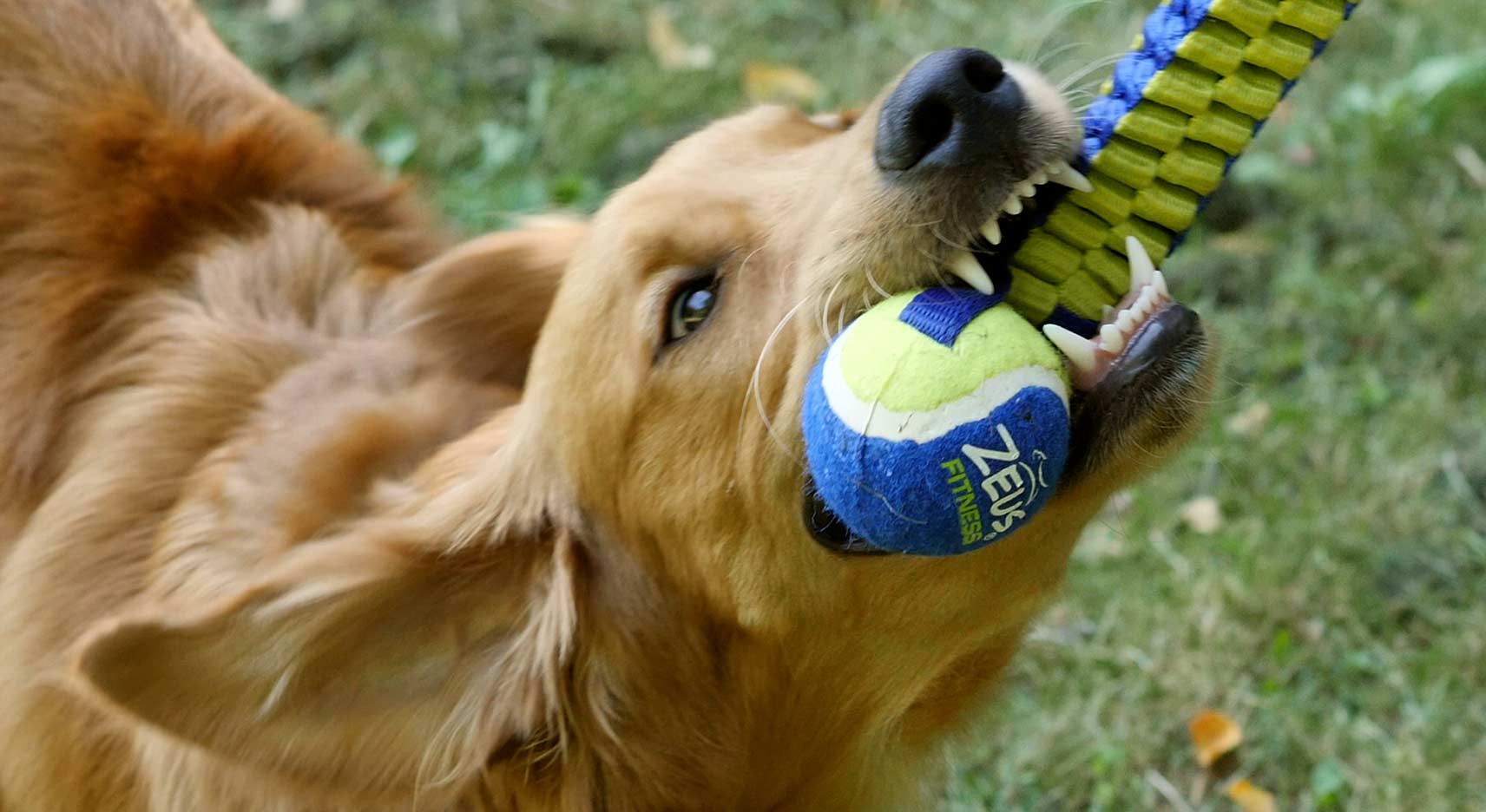
Mental Health for Dogs: How to Reduce Stress and Anxiety in Your Pet
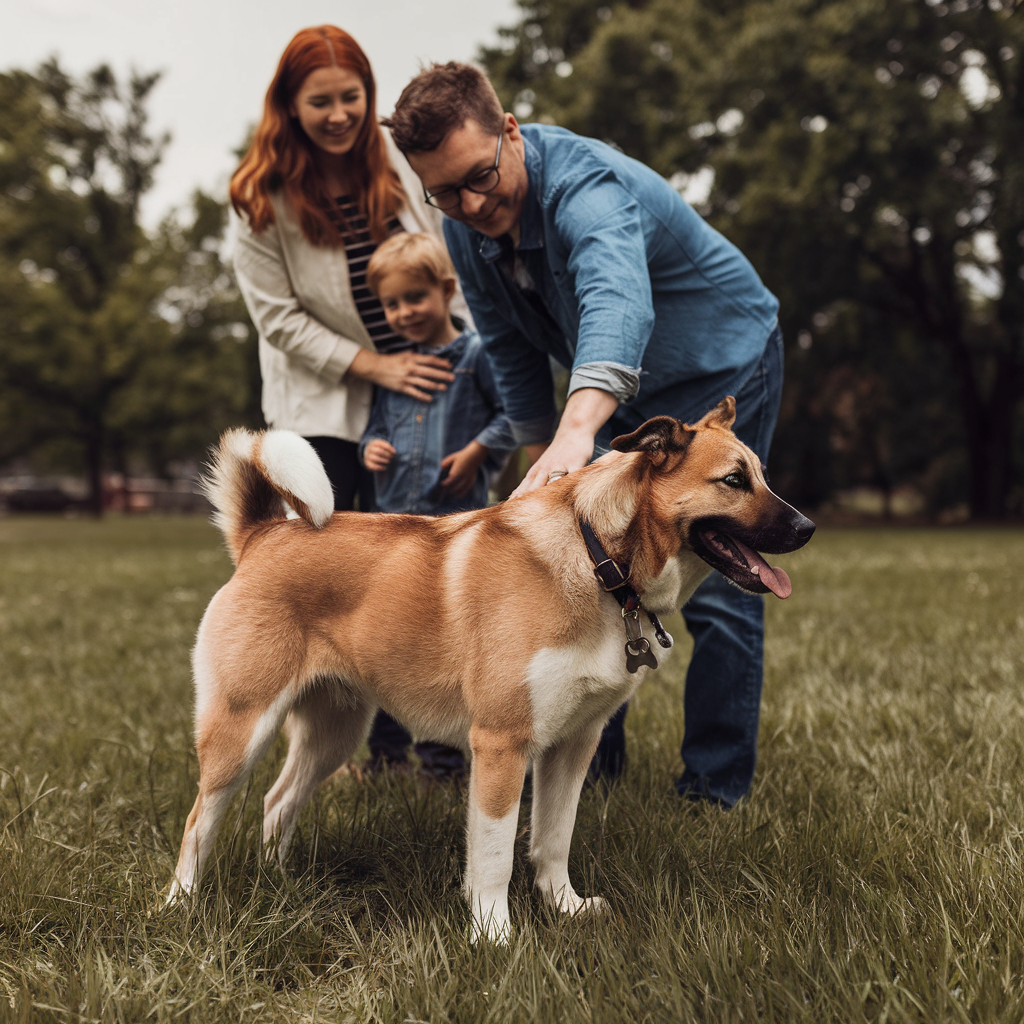
Just like humans, dogs can experience stress and anxiety that affect their overall well-being. As responsible pet owners, it's crucial to recognize the signs of distress in our canine companions and take steps to improve their mental health. This comprehensive guide will explore various strategies to reduce stress and anxiety in dogs, helping them lead happier, more balanced lives.
Table of Contents
Understanding Canine Stress and Anxiety
Before diving into solutions, it's essential to understand what stress and anxiety look like in dogs. Recognizing the signs early can help you address issues before they escalate. Dogs experience anxiety for many reasons, and their response can vary based on their personality, past experiences, and environment.
Stress and anxiety in dogs are not just behavioral issues—they can lead to physical health problems if left unaddressed. Chronic stress can weaken the immune system, cause digestive issues, and even shorten your dog's lifespan[1].
Just as in humans, there's a difference between occasional stress (which is normal) and chronic anxiety (which requires intervention). Occasional stress might occur during thunderstorms or vet visits, while chronic anxiety persists regardless of immediate environmental factors[2].
Common Signs of Stress and Anxiety in Dogs
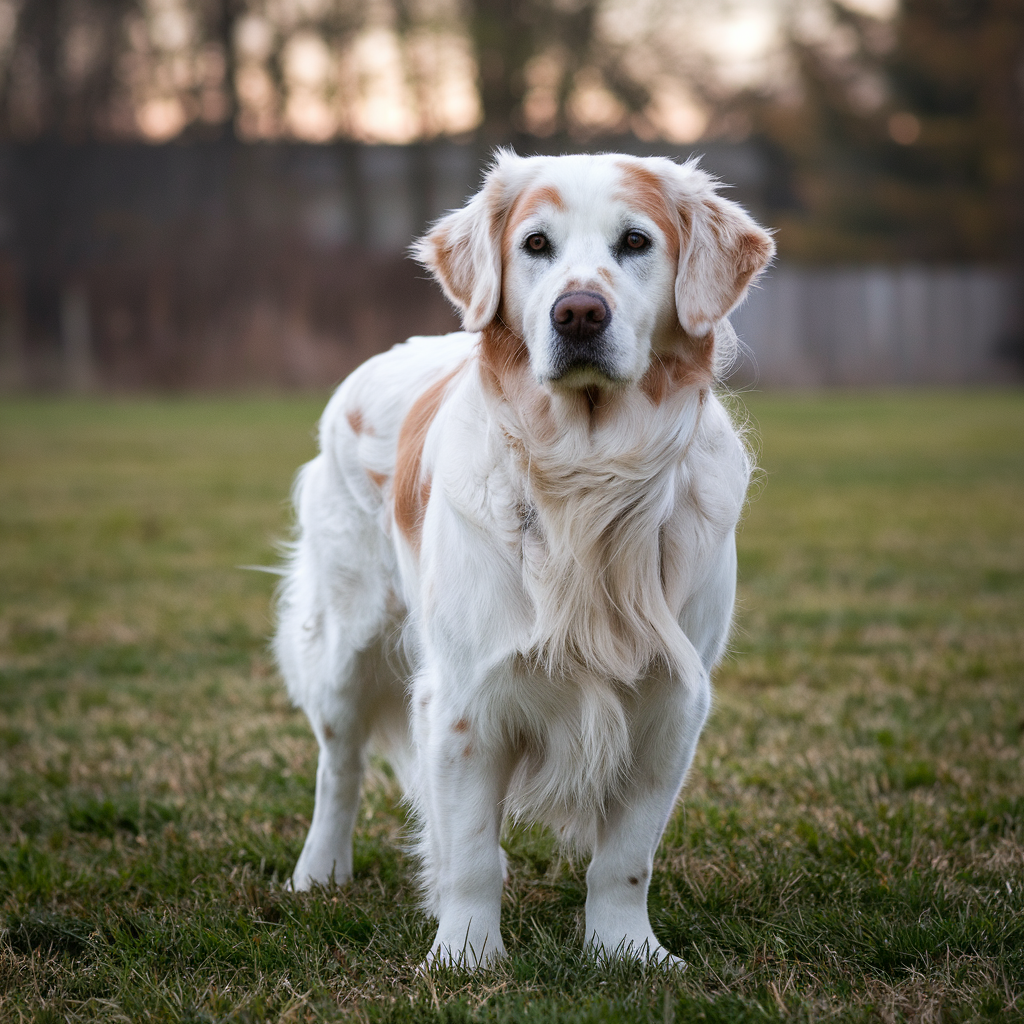
Dogs communicate their emotional state primarily through body language and behavior. Learning to read these signals is crucial for early intervention[3].
- Excessive panting (when not hot or after exercise)
- Trembling or shaking
- Excessive shedding
- Dilated pupils
- Drooling more than usual
- Tense muscles, especially around the face
- Tail tucked between legs
- Ears pinned back
- Raised hackles (hair along the back)
- Avoiding eye contact
- Excessive barking, whining, or howling
- Pacing or restlessness
- Destructive behavior (chewing furniture, digging)
- Excessive licking or chewing (themselves or objects)
- House soiling (despite being house-trained)
- Hiding or escaping behavior
- Decreased interest in activities they usually enjoy
- Changes in appetite (eating less or more)
- Aggression or increased reactivity
- Excessive yawning or lip licking (calming signals)
It's important to note that these signs can vary from dog to dog, and some may be more subtle than others. Familiarizing yourself with your dog's normal behavior will help you quickly identify when something is amiss[3].
Common Causes of Canine Anxiety
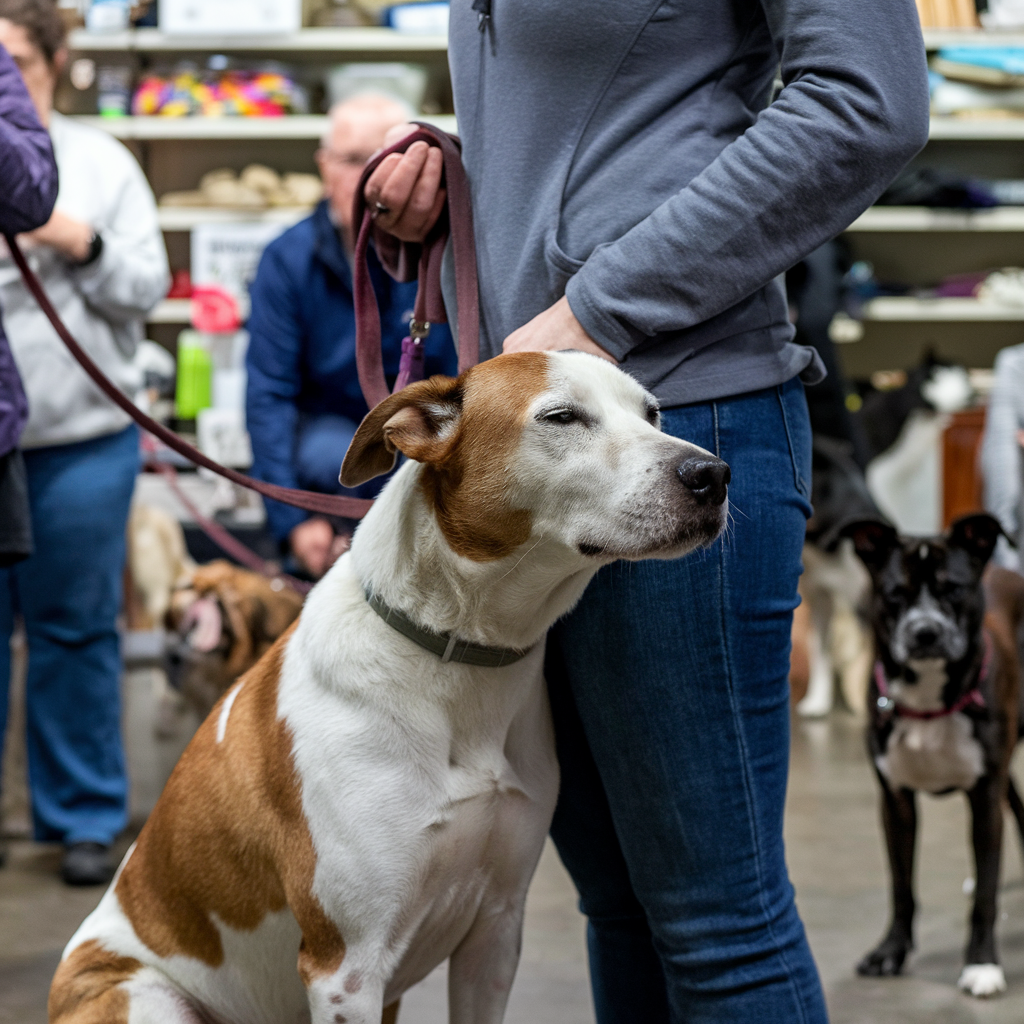
Understanding the root causes of your dog's anxiety is essential for effective treatment. Common triggers include[4][5]:
One of the most common forms of anxiety in dogs, separation anxiety occurs when dogs become distressed when left alone. This can manifest as destructive behavior, excessive vocalization, or inappropriate elimination[4].
Dogs may develop specific fears or phobias related to:
- Noise phobias: Fear of thunderstorms, fireworks, or loud noises
- Social anxiety: Fear of strangers, other dogs, or new social situations
- Environmental fears: Fear of new places, car rides, or specific locations like the vet
Senior dogs may develop cognitive dysfunction syndrome (similar to dementia in humans), leading to confusion, disorientation, and anxiety[6].
Dogs with a history of abuse, neglect, or traumatic experiences may develop generalized anxiety or specific triggers related to their past[5].
Dogs thrive on routine, and significant changes like moving to a new home, the addition of a new family member (human or pet), or changes in the owner's schedule can trigger anxiety[7].
Dogs that weren't properly socialized during their critical developmental period (3-14 weeks) may be more prone to anxiety in unfamiliar situations[8].
Some breeds are more prone to anxiety disorders. For example, herding breeds like Border Collies and Australian Shepherds tend to be more sensitive and reactive[9].
Environmental Modifications
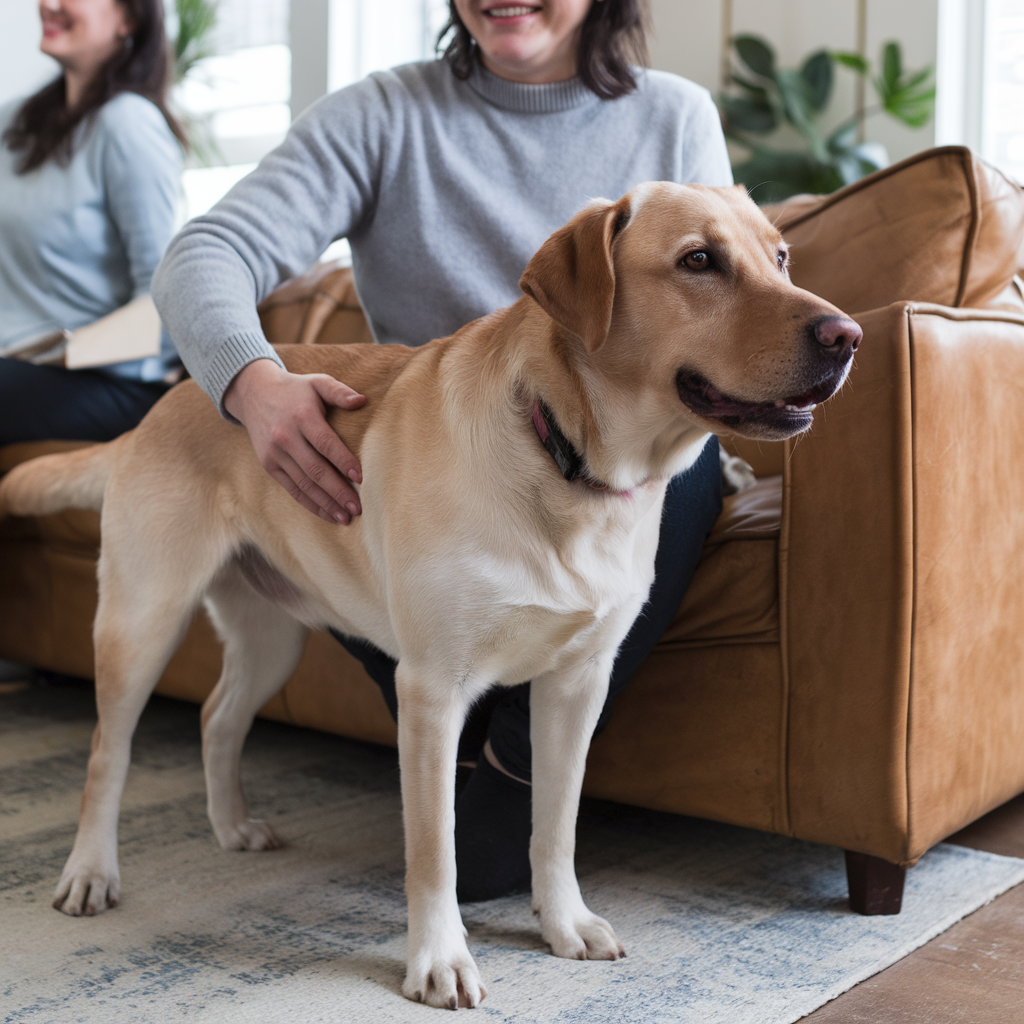
Creating a stress-free environment is one of the most effective ways to reduce anxiety in dogs. Simple changes to your home and routine can make a significant difference[10].
Dogs thrive on predictability. Establishing a consistent daily routine for feeding, walks, playtime, and rest can help your dog feel more secure and less anxious. This structure provides a sense of control and helps your pet anticipate what's coming next, reducing uncertainty-related stress[11].
Every dog should have a designated safe space where they can retreat when feeling overwhelmed. This could be a crate (if properly crate-trained), a cozy bed in a quiet corner, or even a separate room. Make this area comfortable and inviting with:
- Soft, comfortable bedding
- Favorite toys
- An item with your scent (like an unwashed t-shirt)
- Optional covering (for crates) to create a den-like atmosphere
Teach family members to respect this space and never disturb your dog when they're in their safe haven[12].
Minimize exposure to known stressors and create a calming sensory environment:
- Sound: Use white noise machines, classical music, or specially designed calming music for dogs to mask startling sounds[13].
- Light: Ensure your dog has access to both natural light and shaded areas. Consider blackout curtains for dogs sensitive to outdoor activity or storms.
- Scent: Try dog-appeasing pheromone diffusers (DAP) which mimic the calming pheromones mother dogs produce[14].
Several products are designed to help reduce anxiety in dogs:
- Pressure wraps: Products like ThunderShirt apply gentle, constant pressure, similar to swaddling an infant[15].
- Calming beds: Donut-shaped beds or beds with raised edges help dogs feel secure and protected.
- Anxiety wraps: Specially designed garments that apply gentle pressure to help calm anxious dogs.
Exercise and Mental Stimulation
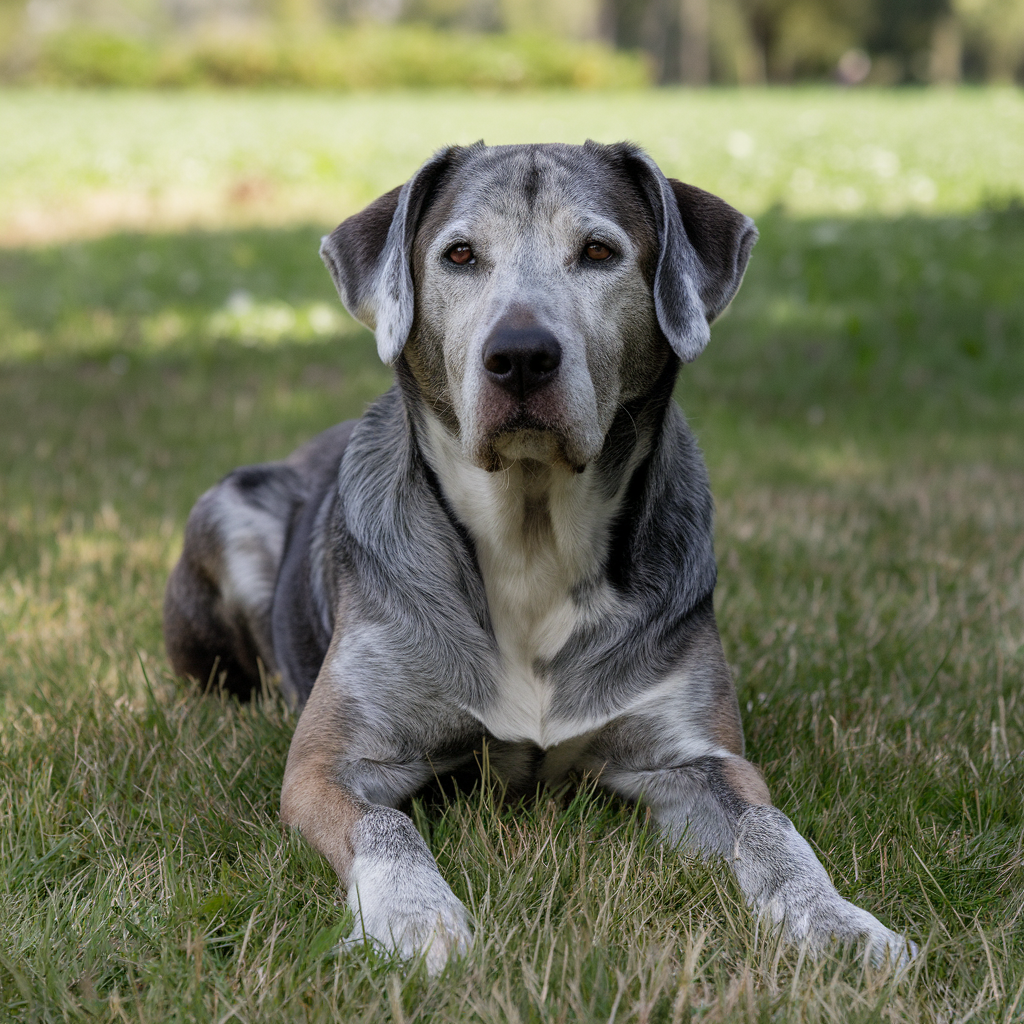
Regular physical exercise and mental stimulation are powerful tools for reducing anxiety in dogs. They help burn excess energy, release endorphins (feel-good hormones), and provide a healthy outlet for stress[16].
The amount and type of exercise needed varies by breed, age, and individual dog, but most dogs benefit from:
- Daily walks: At least 30 minutes to 2 hours of walking per day, depending on your dog's energy level
- Play sessions: Interactive games like fetch, tug (with proper rules), or frisbee
- Swimming: A low-impact exercise great for dogs with joint issues
- Dog sports: Activities like agility, flyball, or nose work can be excellent for high-energy dogs
Remember that a tired dog is generally a calmer dog, but avoid over-exercising as this can lead to stress and injury[17].
Mental exercise can be just as tiring as physical exercise. Options include:
- Food puzzles: Toys that dispense treats when manipulated correctly
- Snuffle mats: Fabric mats where treats can be hidden for your dog to find
- Training sessions: Short, positive training sessions teaching new tricks or skills
- Scent games: Hide treats or toys around the house for your dog to find
- Rotating toys: Keep a selection of toys and rotate them weekly to maintain novelty
Mental stimulation is particularly important for intelligent breeds prone to anxiety, like Border Collies, German Shepherds, and Poodles[18].
Enrichment activities combine physical and mental stimulation:
- Sniffing walks: Allow your dog to explore and sniff during walks (this is mentally stimulating)
- Social play: Supervised playdates with compatible dogs
- New environments: Visits to dog-friendly stores, parks, or beaches
- Interactive toys: Toys that require problem-solving to access treats
These activities help satisfy your dog's natural instincts and can significantly reduce anxiety[19].
Training and Behavior Modification
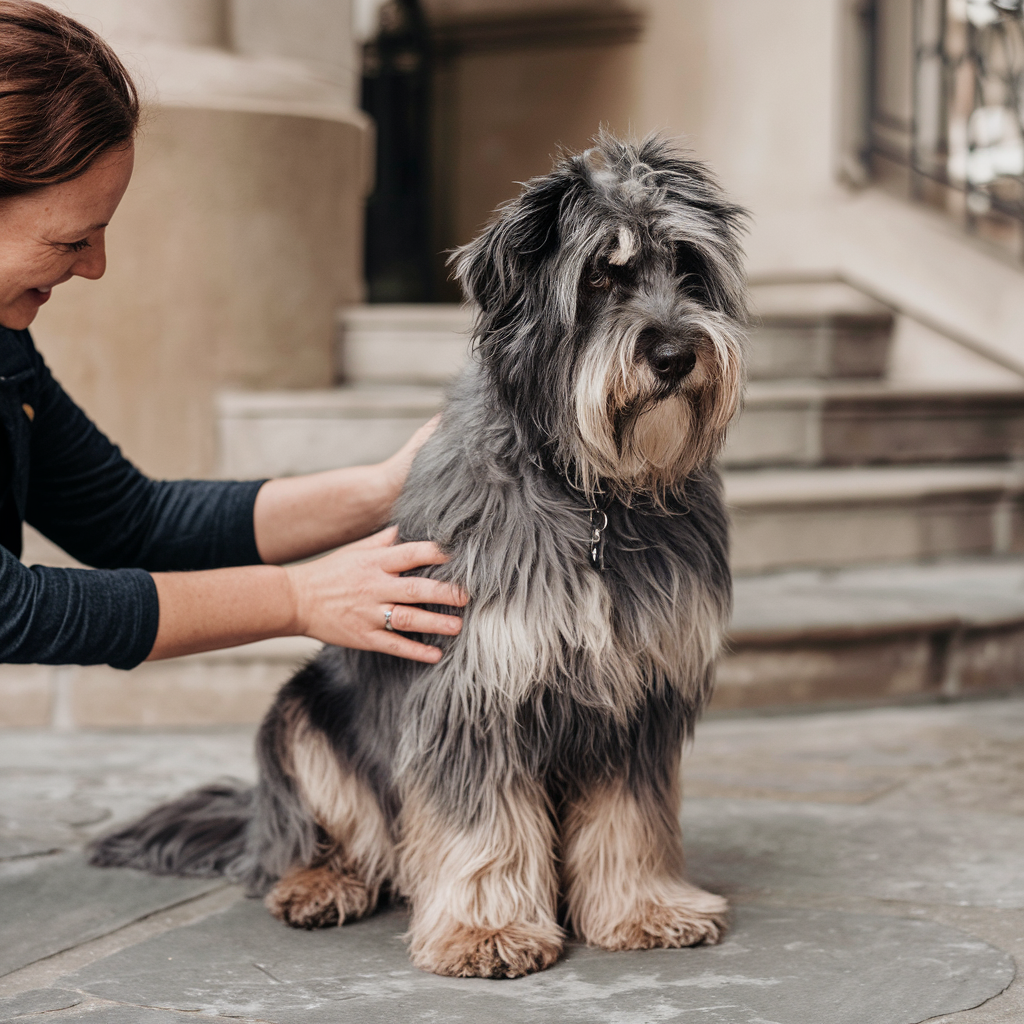
Proper training techniques can help anxious dogs build confidence and develop coping skills. The focus should always be on positive reinforcement rather than punishment, which can worsen anxiety[20].
These evidence-based techniques can help dogs overcome specific fears:
- Desensitization: Gradually exposing your dog to the fear trigger at a low intensity that doesn't provoke anxiety, then slowly increasing exposure as tolerance builds
- Counterconditioning: Changing your dog's emotional response by pairing the scary thing with something positive (usually high-value treats)
For example, if your dog fears thunderstorms, you might play very quiet thunder sounds while giving delicious treats, gradually increasing the volume over many sessions[21].
Teaching your dog to relax on cue can be invaluable during stressful situations:
- Mat training: Teaching your dog to go to a specific mat or bed and relax
- Settle command: Training a verbal cue that signals your dog to calm down
- Deep pressure therapy: Teaching your dog to accept and enjoy gentle, sustained pressure
These skills give dogs a specific behavior to perform instead of engaging in anxious behaviors[22].
Many anxious dogs lack confidence. These exercises can help:
- Trick training: Learning and mastering new skills builds confidence
- Nose work: Utilizing a dog's natural scenting abilities provides success experiences
- Agility (even informal): Navigating obstacles successfully builds self-assurance
- Play: Structured play with rules helps dogs learn appropriate behavior
Focus on setting your dog up for success with achievable challenges that gradually increase in difficulty[23].
Natural Supplements and Remedies
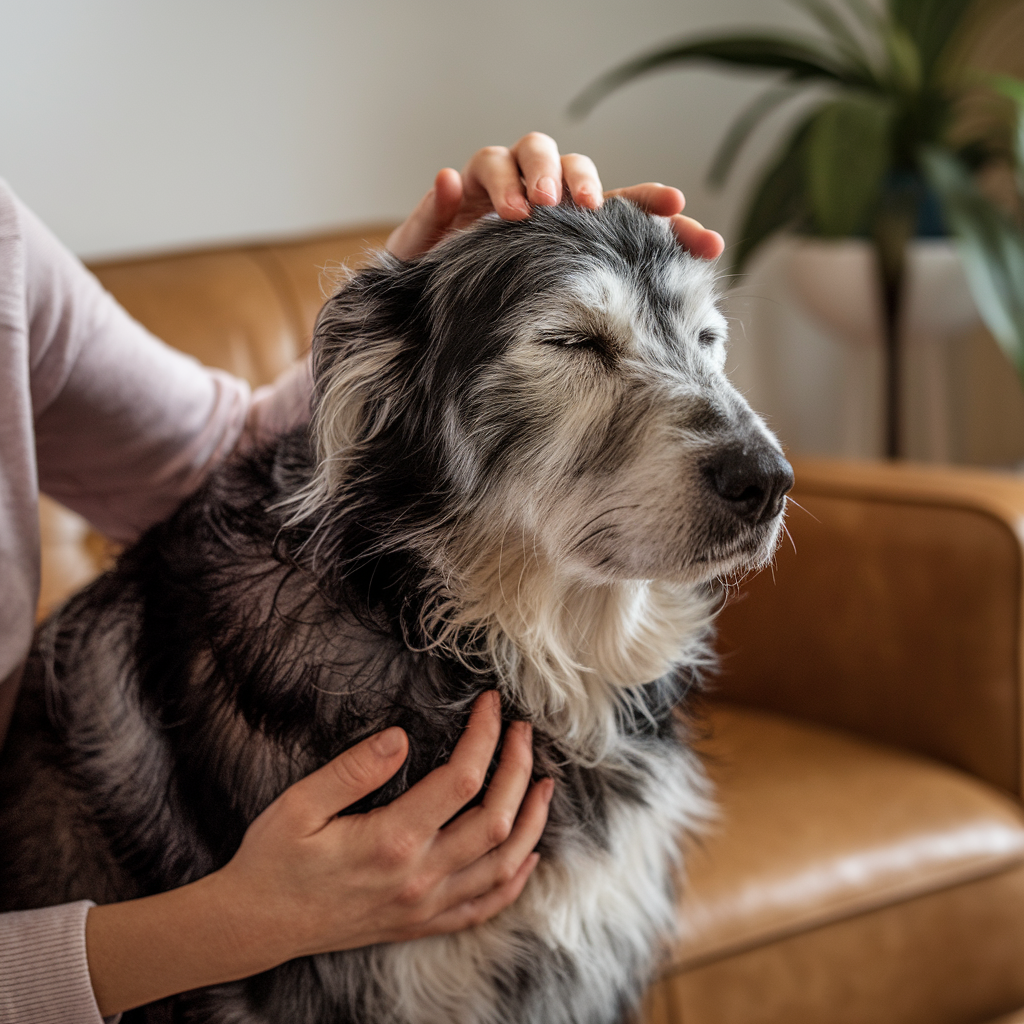
Several natural supplements and remedies may help reduce anxiety in dogs. Always consult with your veterinarian before starting any supplement regimen, as some may interact with medications or be inappropriate for dogs with certain health conditions[24].
These supplements have shown some effectiveness in reducing canine anxiety:
- L-Theanine: An amino acid found in green tea that promotes relaxation without sedation
- L-Tryptophan: An amino acid that helps produce serotonin, a mood-regulating neurotransmitter
- Alpha-casozepine: A milk protein with calming properties
- GABA: A neurotransmitter that inhibits nerve transmission in the brain, calming nervous activity
These supplements typically work best for mild to moderate anxiety and may take several weeks to show full effects[25].
Some herbs have traditionally been used to reduce anxiety:
- Valerian root: May have mild sedative effects
- Chamomile: Has mild calming properties
- Passionflower: May help with nervousness and excitability
- Lavender: The scent may have calming effects
Herbal remedies vary in effectiveness and should be used with caution, as not all herbs safe for humans are safe for dogs[26].
Cannabidiol (CBD) oil has gained popularity for treating anxiety in dogs. While some preliminary research suggests potential benefits, the scientific evidence is still limited. If considering CBD:
- Choose products specifically formulated for pets
- Look for third-party testing for quality and purity
- Start with a low dose and monitor your dog's response
- Consult with your veterinarian, especially if your dog is on other medications
The legal status and regulations regarding CBD for pets vary by location[27].
When to Seek Professional Help
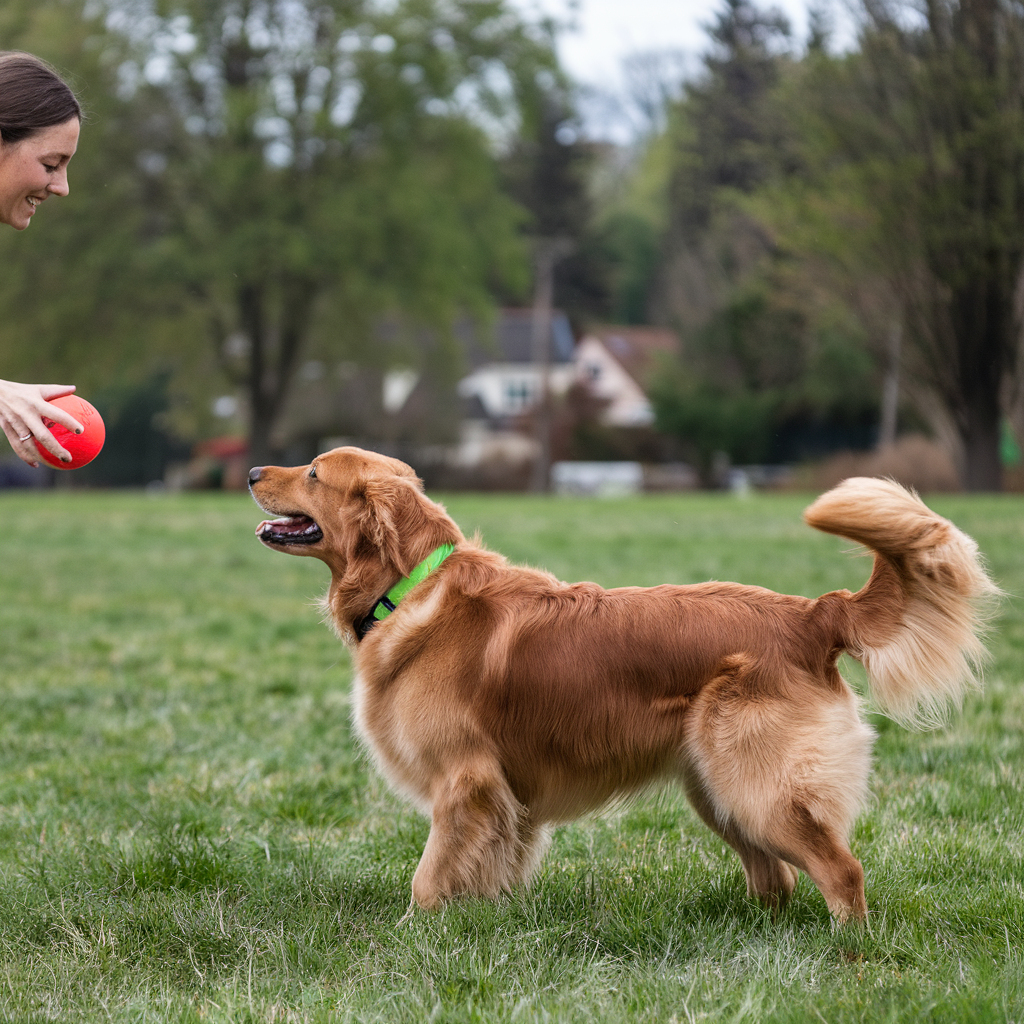
While mild anxiety can often be managed with the strategies discussed above, moderate to severe anxiety may require professional intervention. Don't hesitate to seek help if[28]:
- Your dog's anxiety is worsening despite your efforts
- Your dog is causing harm to themselves (e.g., excessive licking causing hot spots)
- Your dog shows aggressive behavior related to fear or anxiety
- Your dog's quality of life is significantly impacted
- Your relationship with your dog is suffering
- Your dog's anxiety is affecting their physical health
Several types of professionals can help with canine anxiety:
- Veterinarian: Your first stop to rule out medical causes and discuss medication options
- Veterinary Behaviorist: A specialist with advanced training in animal behavior (similar to a psychiatrist for dogs)
- Certified Applied Animal Behaviorist: Has advanced education in animal behavior
- Certified Professional Dog Trainer: Look for those with specialized knowledge in anxiety and fear
Always verify credentials and look for professionals who use positive, force-free methods[29].
In some cases, medication may be necessary to help manage severe anxiety. Options include:
- Situational medications: For predictable anxiety-inducing events (like thunderstorms)
- Daily medications: For chronic, ongoing anxiety
- SSRIs and TCAs: Similar to human anti-anxiety medications, these affect neurotransmitters
- Benzodiazepines: For short-term, acute anxiety situations
Medication works best when combined with behavior modification and environmental changes[30].
Prevention Strategies
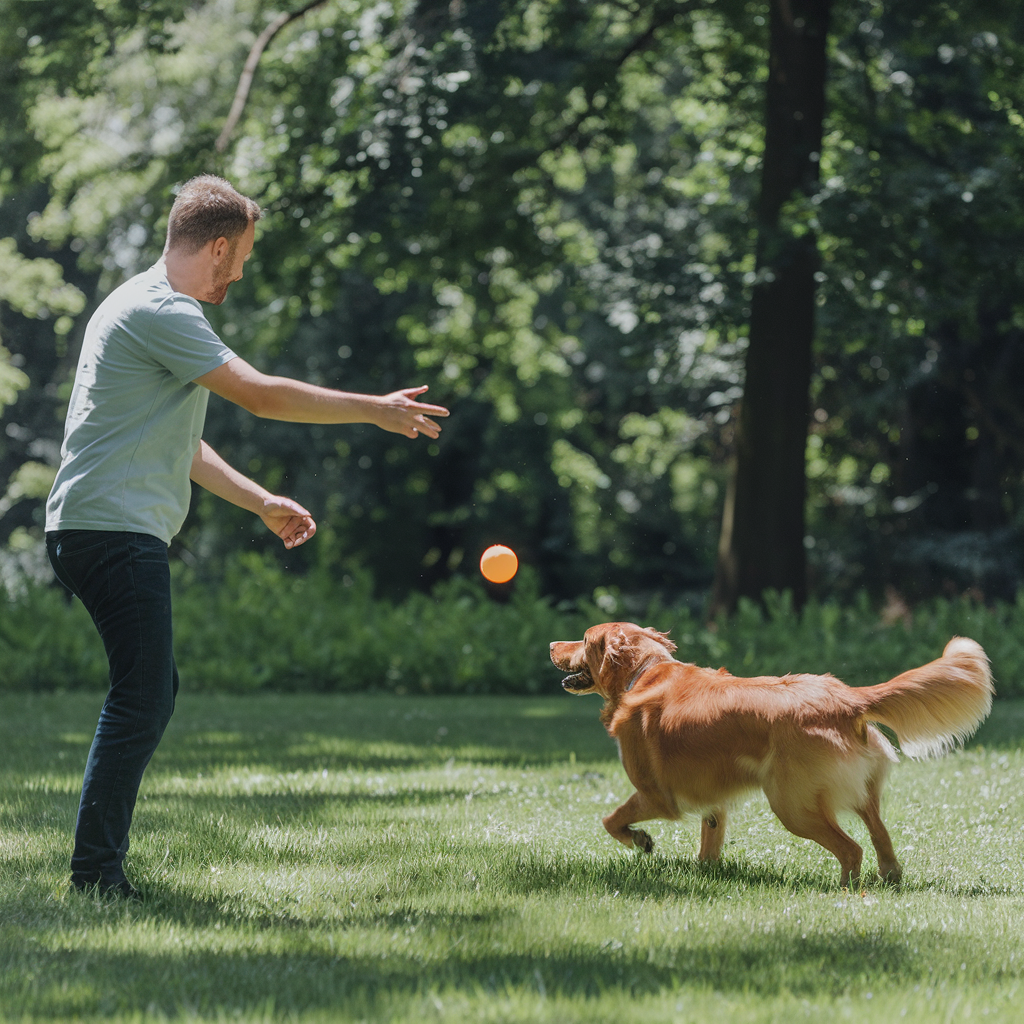
While some dogs may have a genetic predisposition to anxiety, there are many steps you can take to prevent anxiety from developing or worsening[31].
The critical socialization period for puppies is between 3-14 weeks of age. During this time, expose your puppy (after appropriate vaccinations) to a wide variety of:
- People of different ages, genders, appearances, and ethnicities
- Other animals (dogs and non-dogs)
- Various environments (urban, rural, busy, quiet)
- Different surfaces, sounds, and objects
Ensure these experiences are positive and not overwhelming. Quality is more important than quantity[32].
Socialization should continue throughout your dog's life:
- Regular, positive interactions with other dogs and people
- Exposure to new environments and experiences
- Puppy classes and ongoing training
- Controlled play dates with compatible dogs
Always monitor interactions and end them if your dog shows signs of stress[33].
When introducing your dog to potentially stressful situations:
- Start with low-intensity versions of the trigger
- Keep sessions short and positive
- Use high-value treats to create positive associations
- Progress at your dog's pace, not yours
- End on a positive note before your dog becomes stressed
This approach helps prevent the development of fears and phobias[34].
Training methods that rely on punishment or dominance can increase anxiety and fear. Instead:
- Use positive reinforcement (rewards for desired behaviors)
- Practice reward-based training regularly
- Keep training sessions short and fun
- Set your dog up for success
- Be patient and consistent
Positive training builds confidence and strengthens your bond with your dog[35].
References
- American Kennel Club - Treating Dog Anxiety
- VCA Hospitals - Dog Behavior Problems: Fears and Phobias
- ASPCA - Fear and Anxiety in Dogs
- AVMA - Dogs and Anxiety
- PetMD - Fears, Phobias, and Anxiety in Dogs
- Merck Veterinary Manual - Behavioral Problems of Dogs
- AAHA - Behavior Management Guidelines
- AKC - Puppy Socialization
- Whole Dog Journal - Helping Your Fearful Dog
- Penn Vet - Creating a Safe Space for Your Dog
- AAHA - The Importance of Routine for Pets
- AKC - How to Create a Safe Space for Your Dog
- Applied Animal Behaviour Science - Effects of Music on Canine Anxiety
- NCBI - Dog-Appeasing Pheromone
- Journal of Veterinary Behavior - Pressure Wraps for Dogs
- AKC - Exercise for Dogs
- AVMA - Good Practices for Exercising Dogs
- AKC - Mental Stimulation for Dogs
- Whole Dog Journal - Environmental Enrichment for Dogs
- AKC - Positive Reinforcement Dog Training
- Applied Animal Behaviour Science - Desensitization and Counterconditioning
- Whole Dog Journal - Relaxation Protocol for Dogs
- AKC - Building Confidence in Your Dog
- VCA Hospitals - Herbal Medicine for Dogs
- AKC - Natural Supplements for Dogs
- AVMA - Cannabis Use and Pets
- AKC - Behavioral Medications for Dogs
- DACVB - Find a Board-Certified Veterinary Behaviorist
- AKC - Medications for Dog Anxiety
- AKC - Anxiety Prevention in Dogs
- AVMA - Proper Socialization Critical for Puppies
- AKC - Adult Dog Socialization
- AKC - Gradual Exposure Training
- Whole Dog Journal - The Damage of Punishment-Based Dog Training
Related Articles
Top 10 Wellness Tips for a Longer, Healthier Life for Your Dog
Discover essential wellness practices to help your dog live a longer, healthier, and happier life.
Dog Nutrition 101: Feeding Your Pup for Optimal Wellness
Learn about the essential nutrients your dog needs for a healthy, balanced diet at every life stage.
The Ultimate Guide to Keeping Your Dog Happy and Healthy
A comprehensive guide to all aspects of dog care, from nutrition to exercise, grooming, and preventive healthcare.