
How to Create the Perfect Routine for Your Dog's Daily Needs
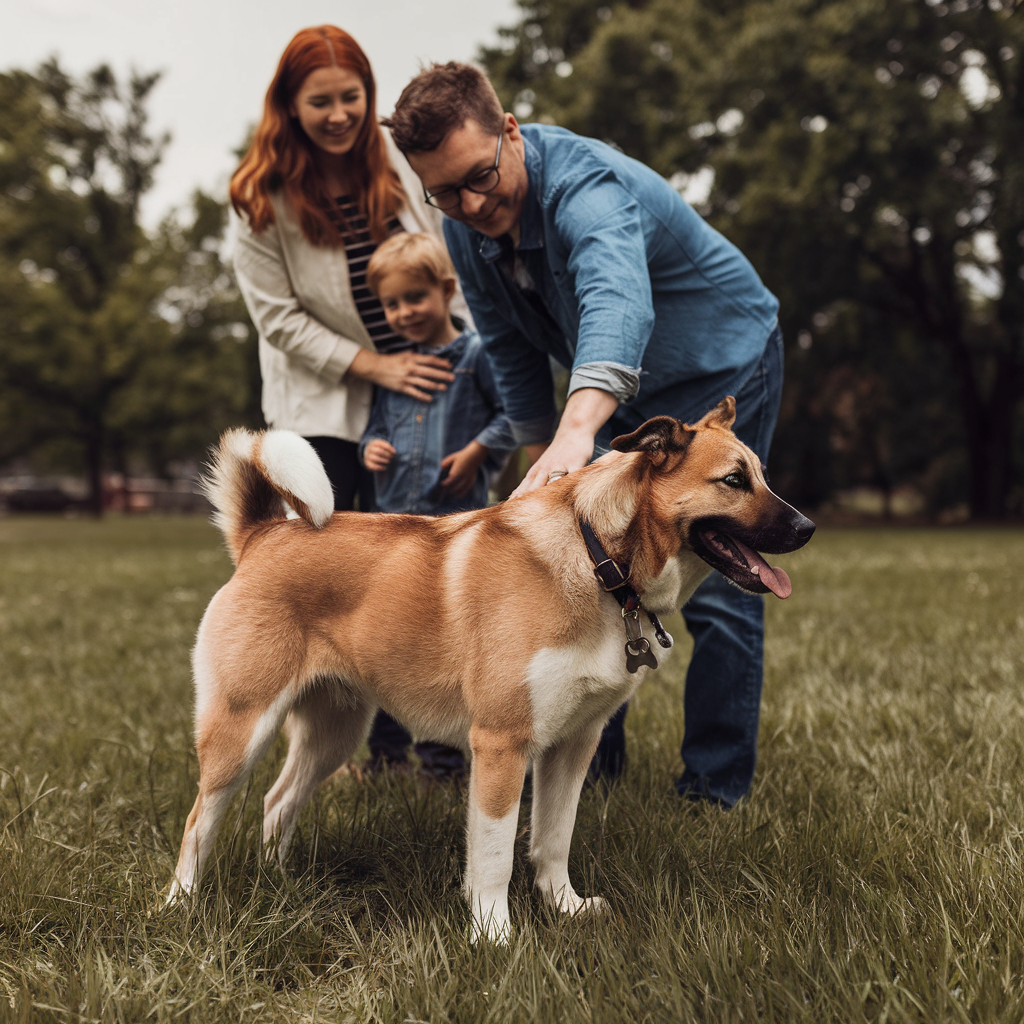
Creating a consistent daily routine for your canine companion is essential for their physical and mental well-being. A well-structured schedule helps dogs feel secure, reduces anxiety, and ensures all their basic needs are met. This comprehensive guide will walk you through the key elements of a perfect dog routine and how to tailor it to your pet's individual needs.
Understanding Your Dog's Basic Needs
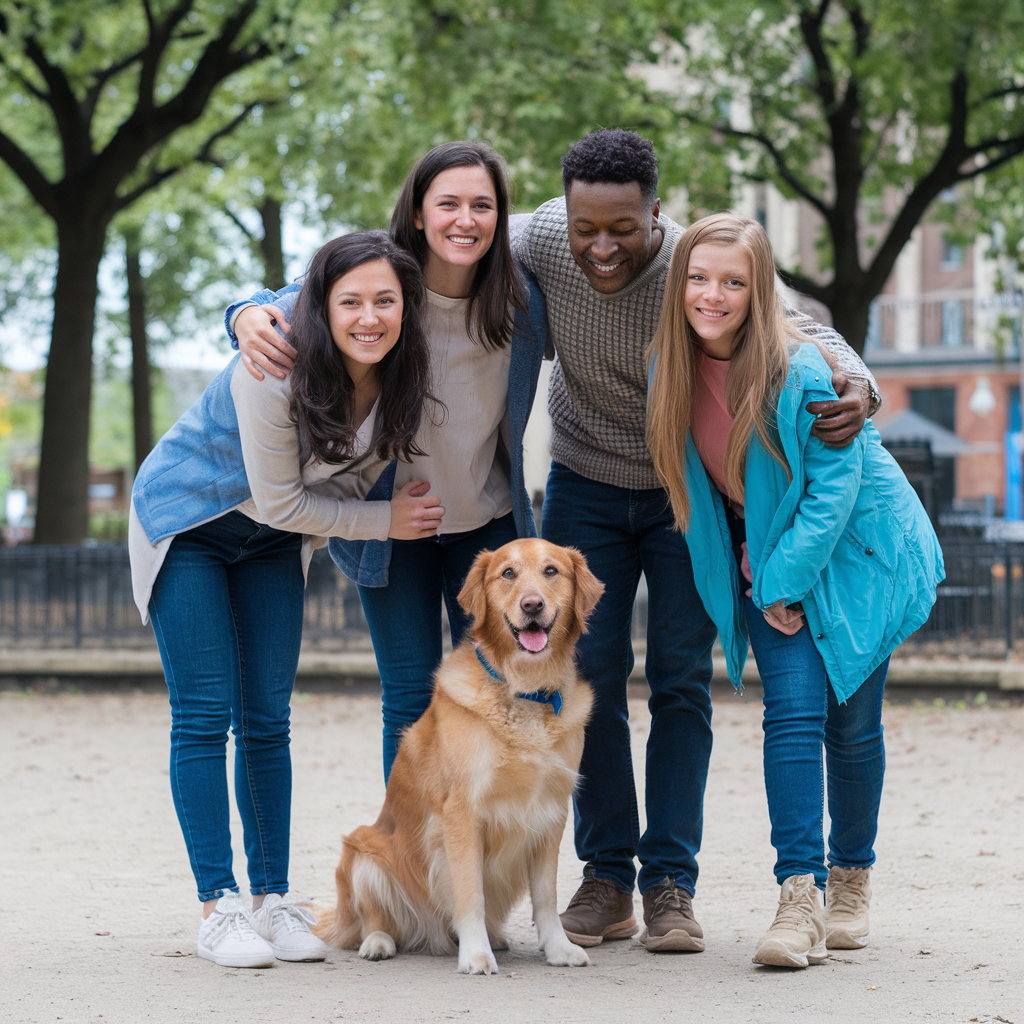
Before diving into the specifics of a daily routine, it's crucial to understand the fundamental needs of dogs:
Physiological Needs
- Nutritious food
- Fresh water
- Comfortable shelter
- Regular elimination
- Sufficient sleep
Safety and Security
- A stable environment
- Consistent rules and boundaries
Love and Belonging
- Affection and attention from their human family
- Social interaction with other dogs (for most breeds)
Mental Stimulation
- Training and learning opportunities
- Enrichment activities
Physical Exercise
- Daily walks
- Playtime and activities appropriate for their breed and age
With these basic needs in mind, let's explore how to structure a daily routine that addresses each of these areas.
Morning Routine
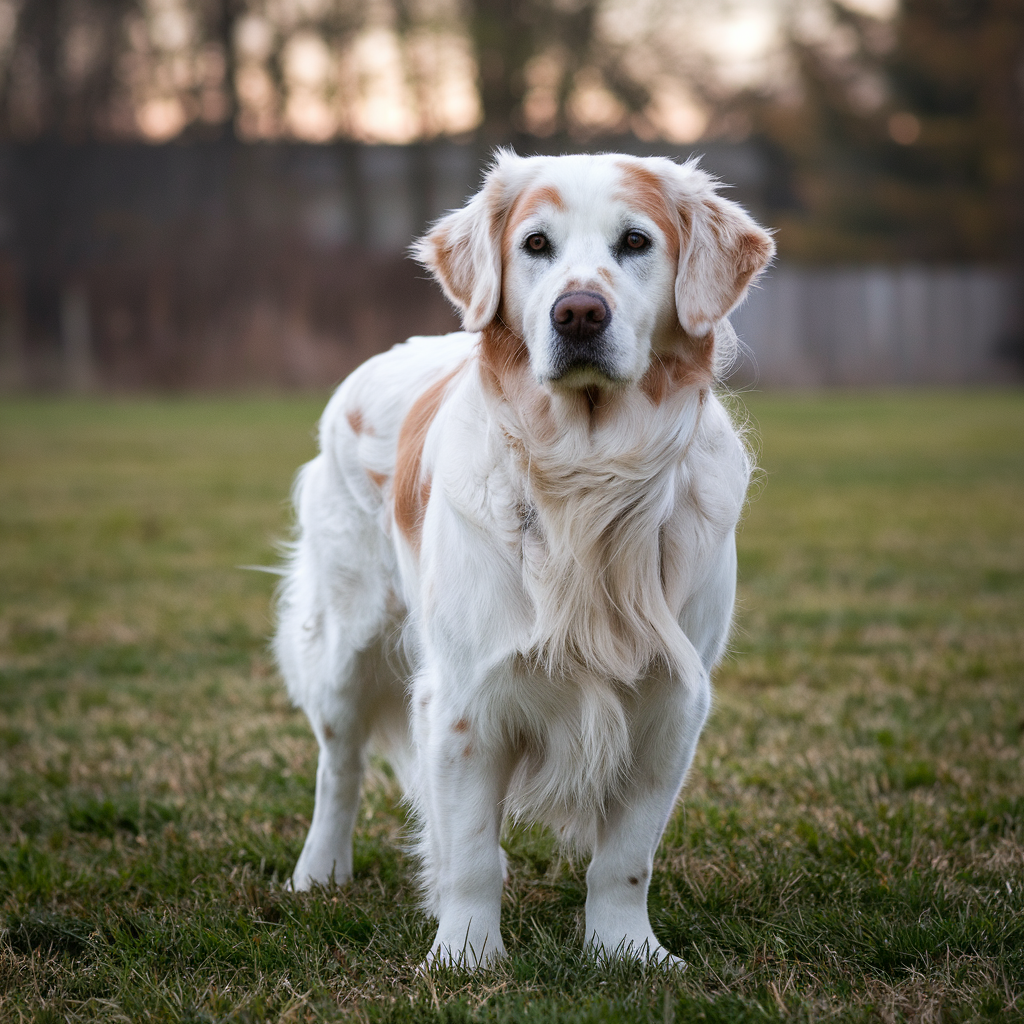
Wake-Up and Potty Break (6:00 AM - 7:00 AM)
Start your dog's day with a consistent wake-up time. Most adult dogs need to relieve themselves first thing in the morning. Take your dog outside immediately upon waking. Use a specific verbal cue like "Outside" or "Hurry up" to associate the action with the command.
Morning Exercise (7:00 AM - 8:00 AM)
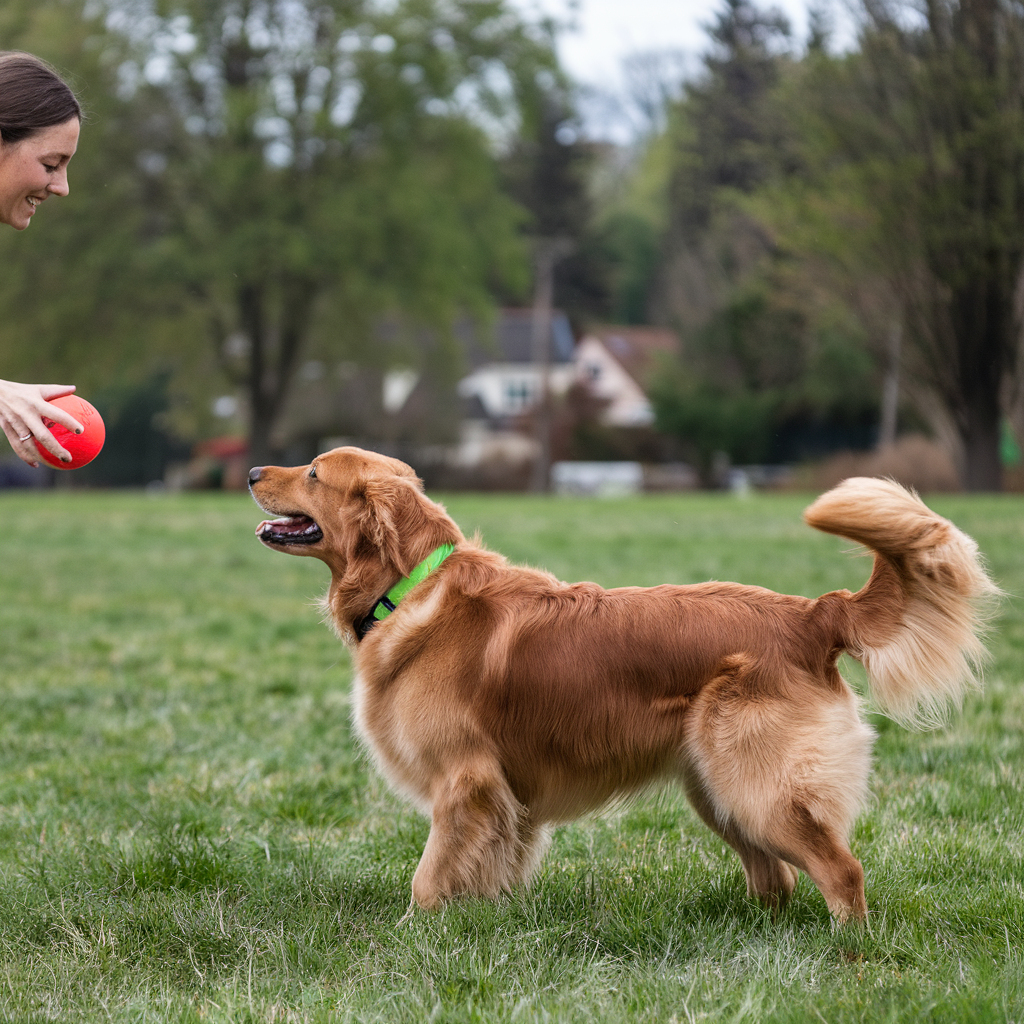
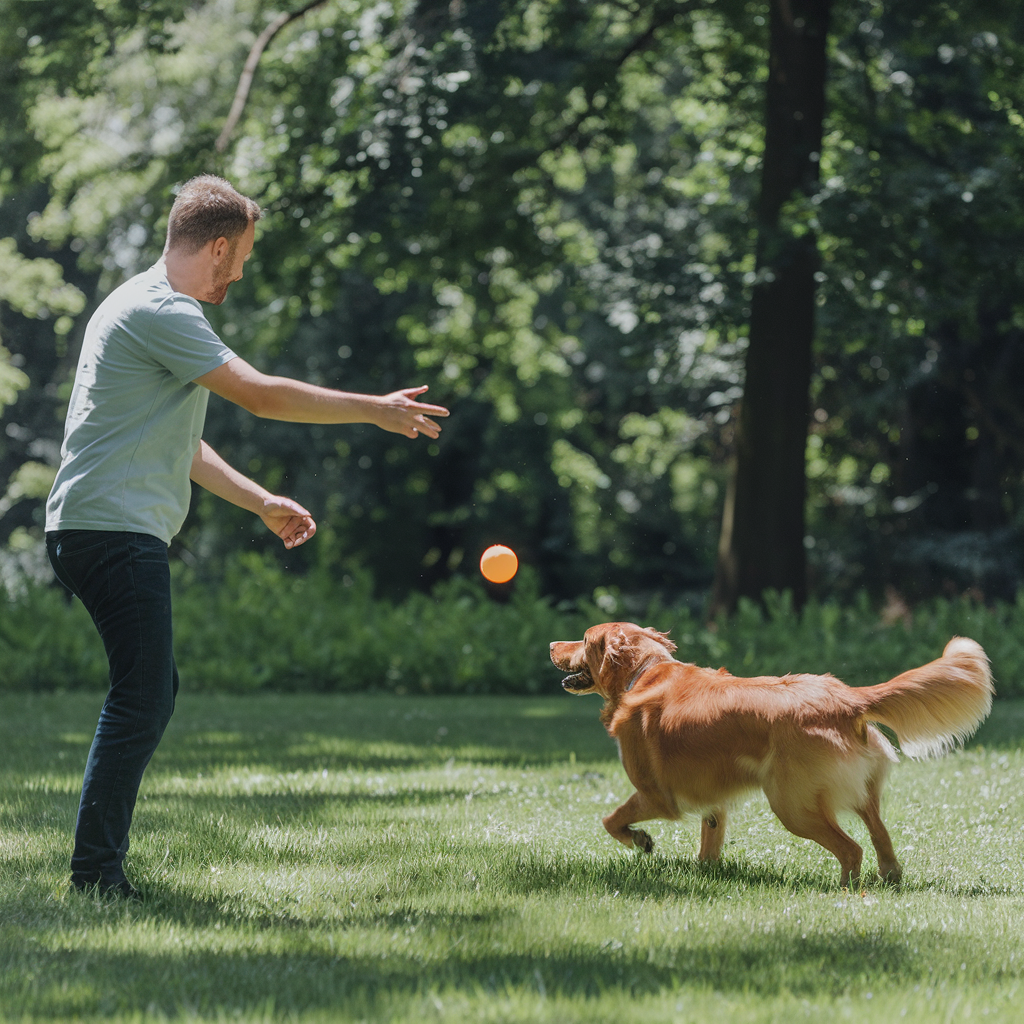
After the potty break, engage your dog in some morning exercise. This could be a brisk walk, a jog, or a game of fetch, depending on your dog's energy level and breed requirements. Aim for at least 30 minutes of physical activity. For high-energy breeds or younger dogs, you may need to extend this time or increase the intensity.
Breakfast Time (8:00 AM - 8:30 AM)
Following exercise, it's time for breakfast. Most adult dogs do well with two meals a day, roughly 12 hours apart. Puppies under six months old may require three to four meals a day. Always provide fresh, clean water with meals and throughout the day.
Feeding Tips:
- Measure portions carefully to maintain a healthy weight
- Use meal times as an opportunity for training by asking your dog to sit or stay before placing the food bowl down
- Consider using puzzle feeders or interactive toys to make mealtime mentally stimulating
Post-Breakfast Potty Break (8:30 AM - 8:45 AM)
Allow your dog to settle their stomach for about 30 minutes after eating, then take them out for another potty break. This helps establish a consistent elimination schedule and reduces the likelihood of accidents in the house.
Daytime Routine (For Working Pet Parents)
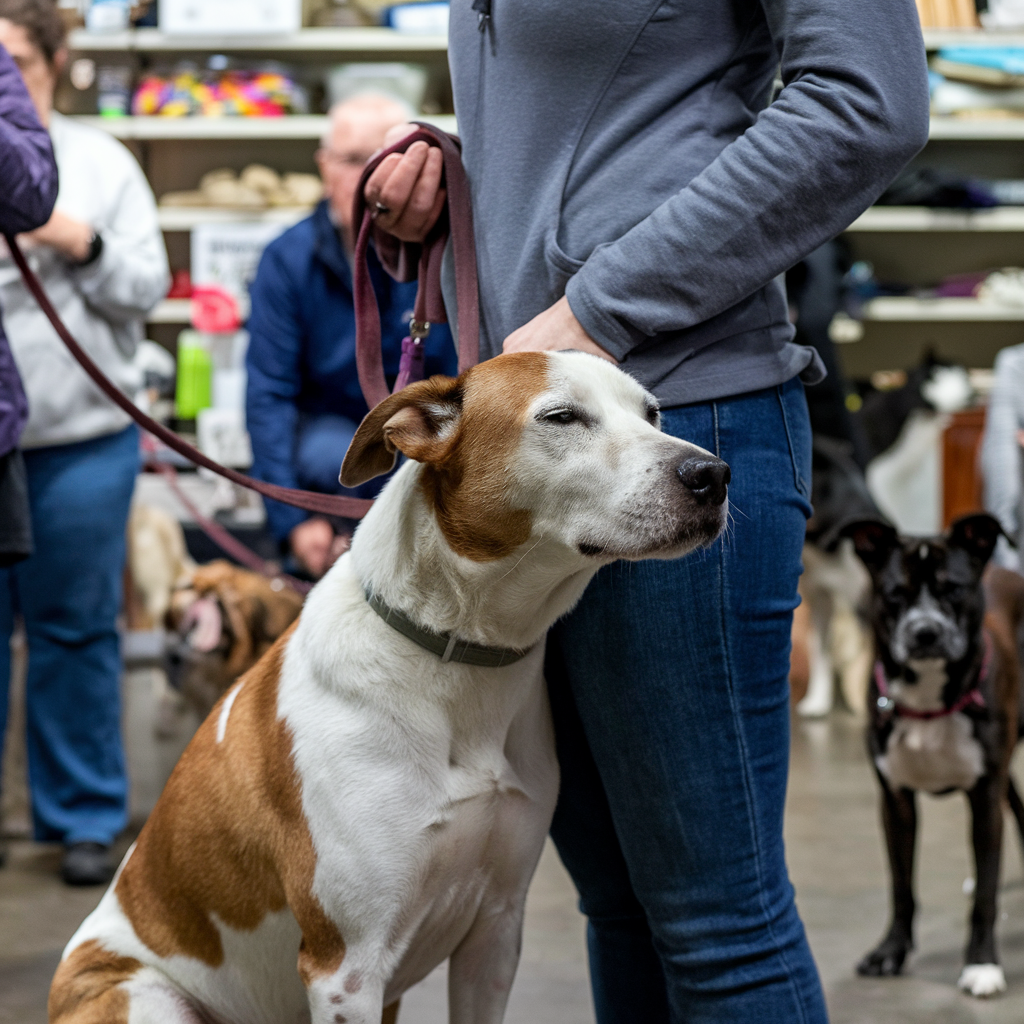
Pre-Work Routine (8:45 AM - 9:00 AM)
If you're heading to work, spend a few minutes engaging your dog in a calming activity. This could be a short training session, some cuddle time, or providing a puzzle toy to keep them occupied. The goal is to help your dog transition into a restful state while you're away.
Midday Break (11:00 AM - 2:00 PM)
For dogs left alone during the workday, a midday break is crucial, especially for puppies and senior dogs who may not be able to hold their bladder for extended periods. Options include:
- Hiring a professional dog walker
- Asking a trusted neighbor or family member to check in
- Coming home during your lunch break if possible
- Using a doggy daycare service
During this break, your dog should receive:
- A potty break
- A short walk or play session
- Fresh water
- Companionship and attention
Afternoon Routine (5:00 PM - 6:00 PM)
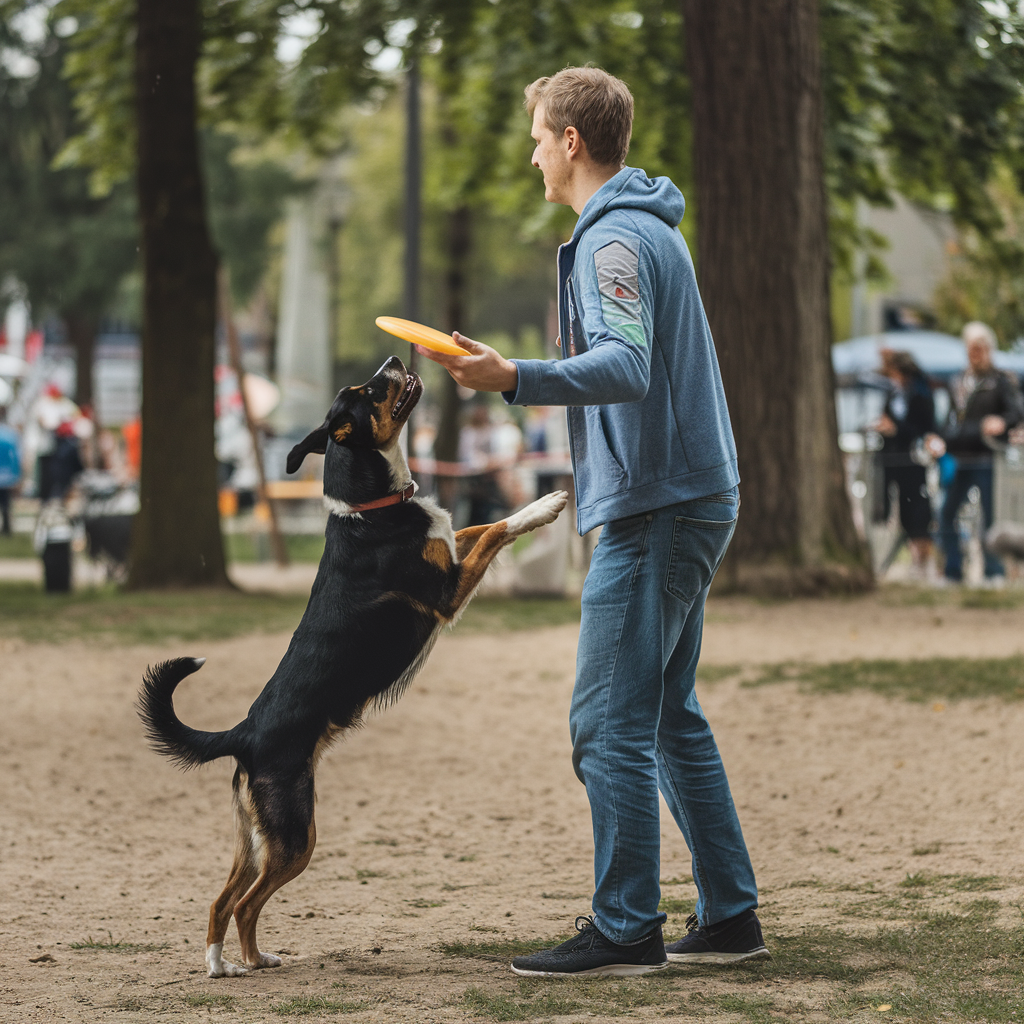
When you return home, greet your dog calmly to avoid encouraging overexcitement or separation anxiety. Take them out for an immediate potty break, followed by a longer exercise session. This is an excellent time for a more extended walk, a trip to the dog park, or engaging in breed-specific activities like fetch for retrievers or scent work for hounds.
Evening Routine
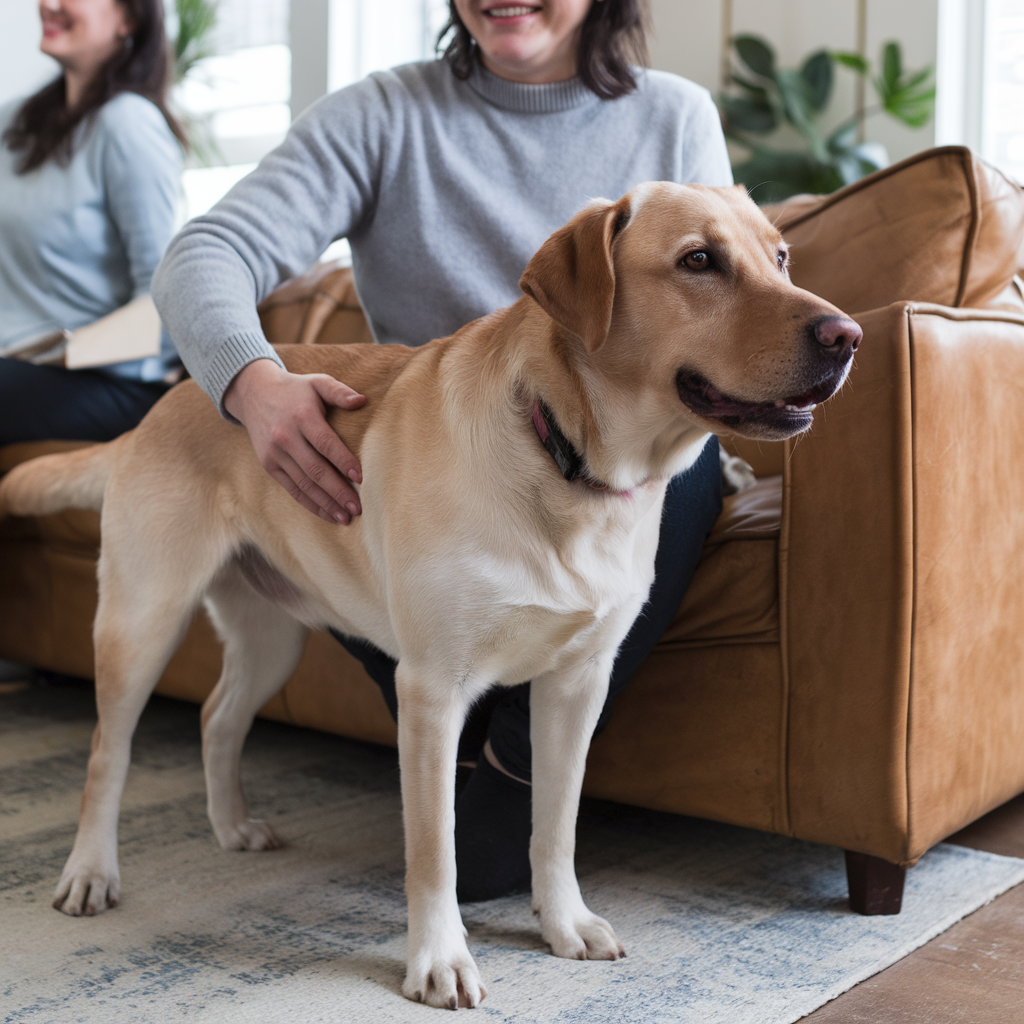
Dinner Time (6:00 PM - 6:30 PM)
Serve your dog's evening meal at a consistent time. As with breakfast, use this opportunity for brief training sessions or mental stimulation activities.
Post-Dinner Activities (6:30 PM - 8:30 PM)
After dinner, allow time for digestion before engaging in any vigorous activities. This is an ideal time for:
- Training sessions: Spend 15-20 minutes working on obedience commands or teaching new tricks
- Grooming: Regular brushing helps maintain a healthy coat and strengthens your bond
- Relaxation: Allow your dog some downtime to chew on a safe toy or simply relax near you
Evening Walk (8:30 PM - 9:00 PM)
Take your dog for a final walk of the day. This doesn't need to be as long or intense as the morning or afternoon sessions but should provide enough exercise to help them settle for the night.
Bedtime Routine (9:00 PM - 10:00 PM)
Establish a consistent bedtime routine to signal to your dog that it's time to wind down for the night. This might include:
- A final potty break
- Turning off or dimming lights
- Providing a comfortable sleeping area
- Some quiet bonding time, such as gentle petting or brushing
Tailoring the Routine to Your Dog's Needs
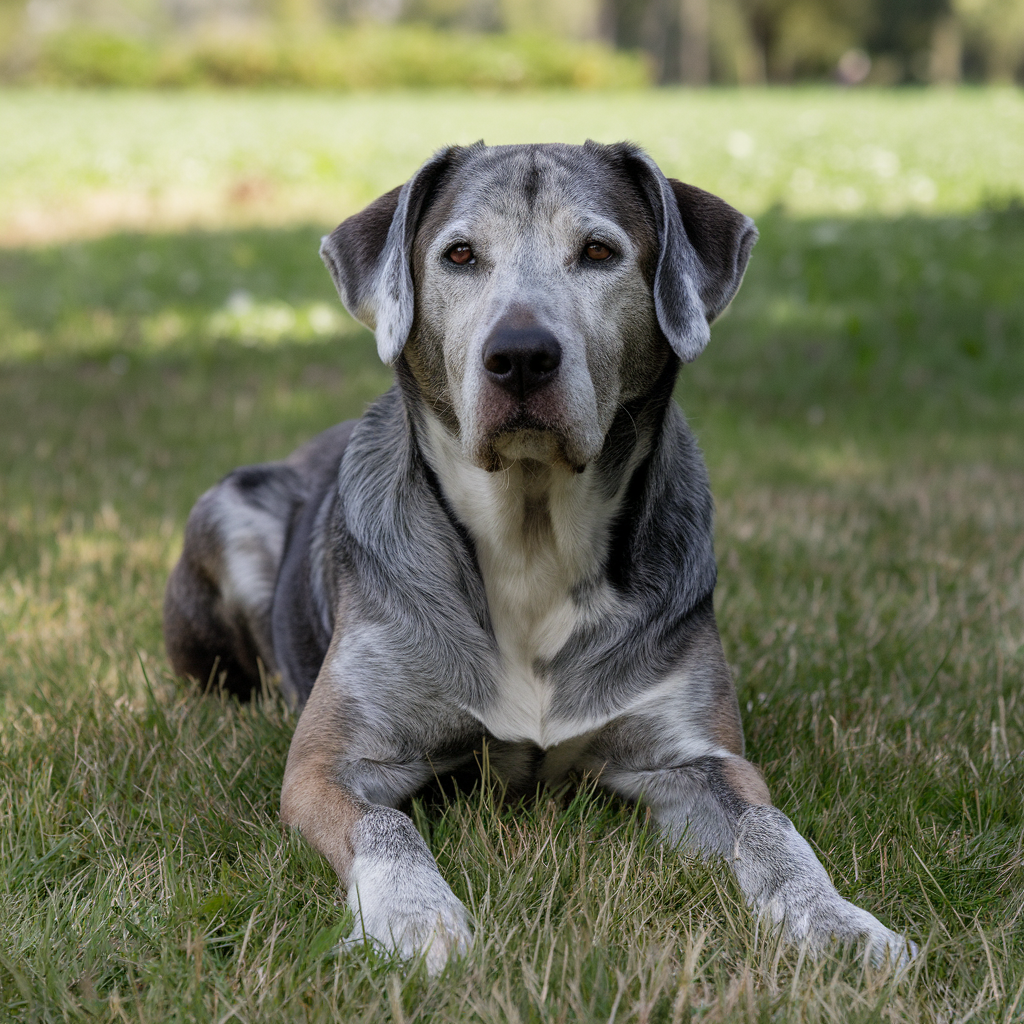
While the above schedule provides a general framework, it's essential to adapt it to your dog's individual needs. Factors to consider include:
Age:
Puppies and senior dogs may require more frequent potty breaks and shorter, gentler exercise sessions.
Breed:
High-energy breeds like Border Collies or Siberian Huskies may need more exercise and mental stimulation than lower-energy breeds like Basset Hounds or Bulldogs.
Health Status:
Dogs with medical conditions may require adjustments to their feeding schedule, exercise routine, or medication administration times.
Work Schedule:
If you work long hours, you may need to adjust the routine to include a dog walker or daycare service to ensure your dog's needs are met during the day.
Incorporating Essential Care into Your Routine
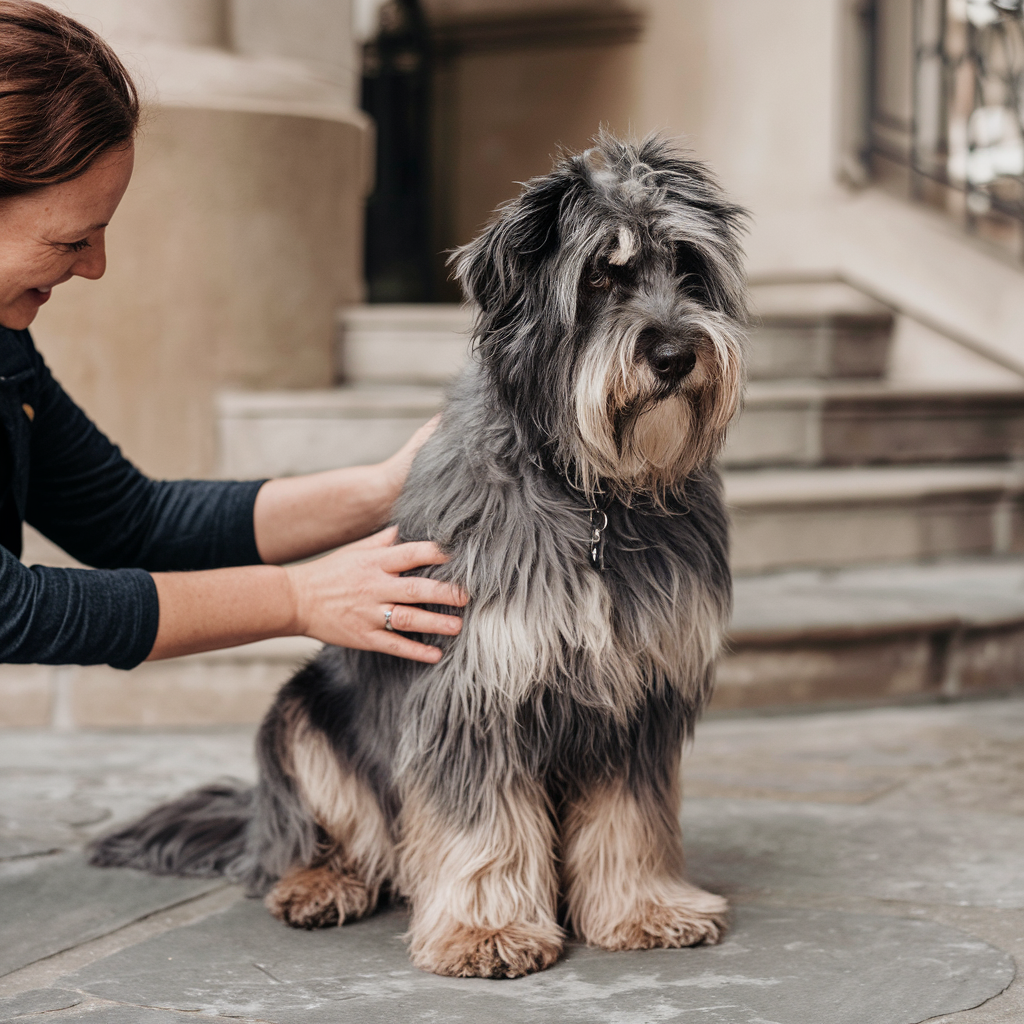
Beyond the daily schedule, there are several care tasks that should be performed regularly to keep your dog healthy and happy:
Grooming
Establish a grooming routine based on your dog's coat type:
- Short-haired breeds: Brush 1-2 times per week
- Long-haired or double-coated breeds: Brush daily or every other day
- Bathing: Most dogs only need bathing every 1-3 months, unless they get particularly dirty
Dental Care
Dental health is crucial for your dog's overall well-being:
- Brush your dog's teeth daily or at least 3 times per week using dog-specific toothpaste
- Provide dental chews or toys to help maintain oral hygiene
- Schedule professional dental cleanings as recommended by your veterinarian
Nail Trimming
Regular nail trims prevent discomfort and potential health issues:
- Check nails weekly and trim as needed, typically every 2-4 weeks
- If you're uncomfortable trimming your dog's nails, schedule regular appointments with a groomer or veterinarian
Health Check-Ups
Incorporate regular health checks into your routine:
- Perform weekly at-home health checks, examining your dog's eyes, ears, teeth, and body for any abnormalities
- Schedule annual veterinary check-ups for vaccinations and preventive care
- Administer monthly heartworm and flea/tick preventatives as recommended by your vet
Mental Stimulation and Enrichment
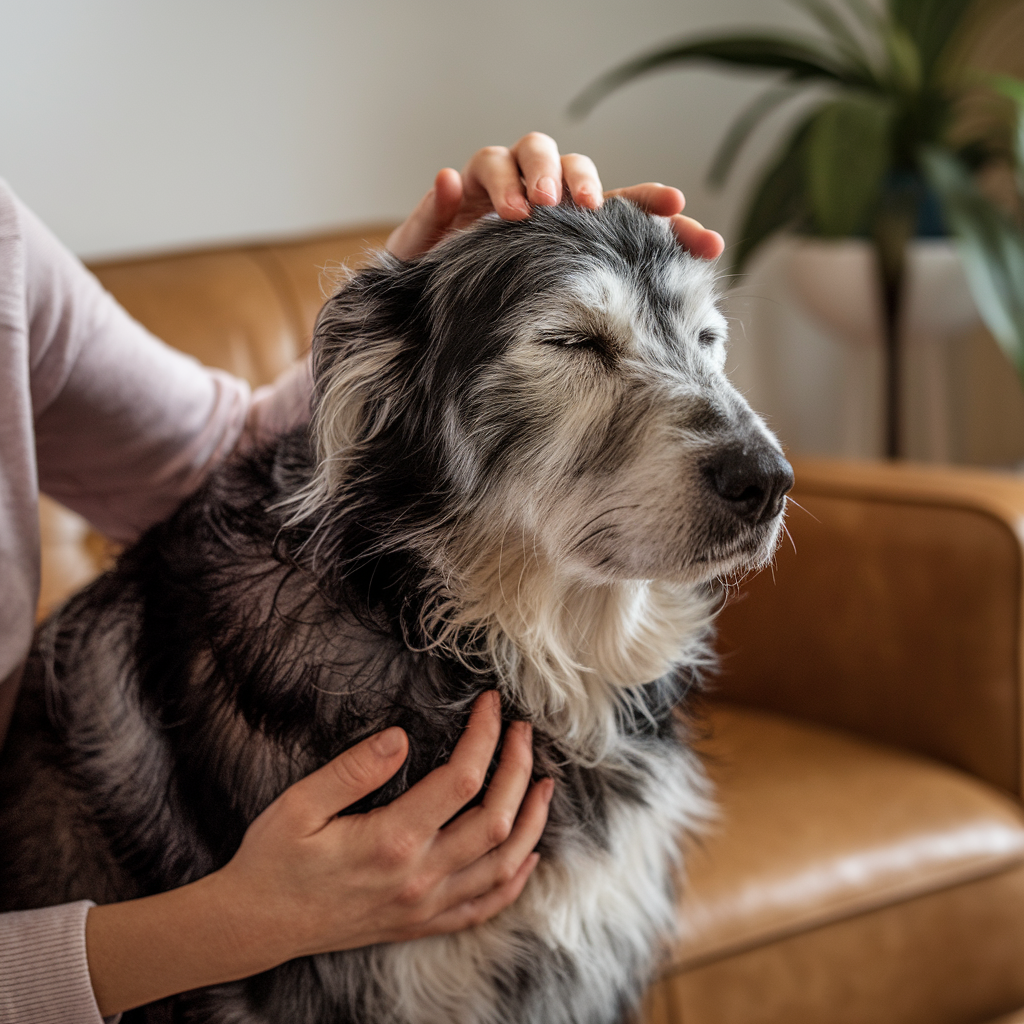
A crucial aspect of your dog's daily routine should include activities that challenge their mind and prevent boredom. Incorporate the following into your schedule:
Training Sessions
Dedicate time each day to training, even if it's just for a few minutes:
- Work on basic obedience commands
- Teach new tricks
- Practice recall in safe, enclosed areas
Puzzle Toys and Games
Provide mental stimulation through:
- Food puzzles and treat-dispensing toys
- Hide-and-seek games with toys or treats
- Scent work activities
Socialization
Ensure your dog has opportunities for positive social interactions:
- Arrange playdates with friendly dogs
- Visit dog-friendly public spaces
- Expose your dog to various people, animals, and environments in a controlled manner
Flexibility and Consistency
While routines are important, it's also crucial to maintain some flexibility:
- Be prepared to adjust the schedule for special occasions or unexpected events
- Gradually introduce changes to the routine to avoid causing stress
- Maintain consistency in key areas like feeding times and potty breaks
Monitoring and Adjusting Your Routine
As you implement your dog's daily routine, pay close attention to their response:
- Observe energy levels throughout the day
- Monitor sleep patterns
- Watch for signs of stress or anxiety
- Note any changes in appetite or elimination habits
Be prepared to make adjustments based on your observations. A routine that works well for a few months may need tweaking as your dog ages or as seasons change.
Conclusion
Creating the perfect routine for your dog's daily needs requires thoughtful planning and consistent implementation. By addressing your dog's physical, mental, and emotional needs throughout the day, you'll foster a happy, healthy, and well-adjusted canine companion. Remember that every dog is unique, and what works for one may not work for another. Be patient as you discover the ideal schedule for your furry friend, and don't hesitate to consult with your veterinarian or a professional dog trainer if you need additional guidance.
By investing time and effort into establishing a comprehensive daily routine, you're setting the foundation for a strong, lasting bond with your dog. A well-structured day provides the security, stimulation, and care that every dog needs to thrive, ensuring that both you and your canine companion enjoy a fulfilling life together.
Citations: