
Holistic Health for Dogs: Natural Ways to Keep Your Pet Healthy
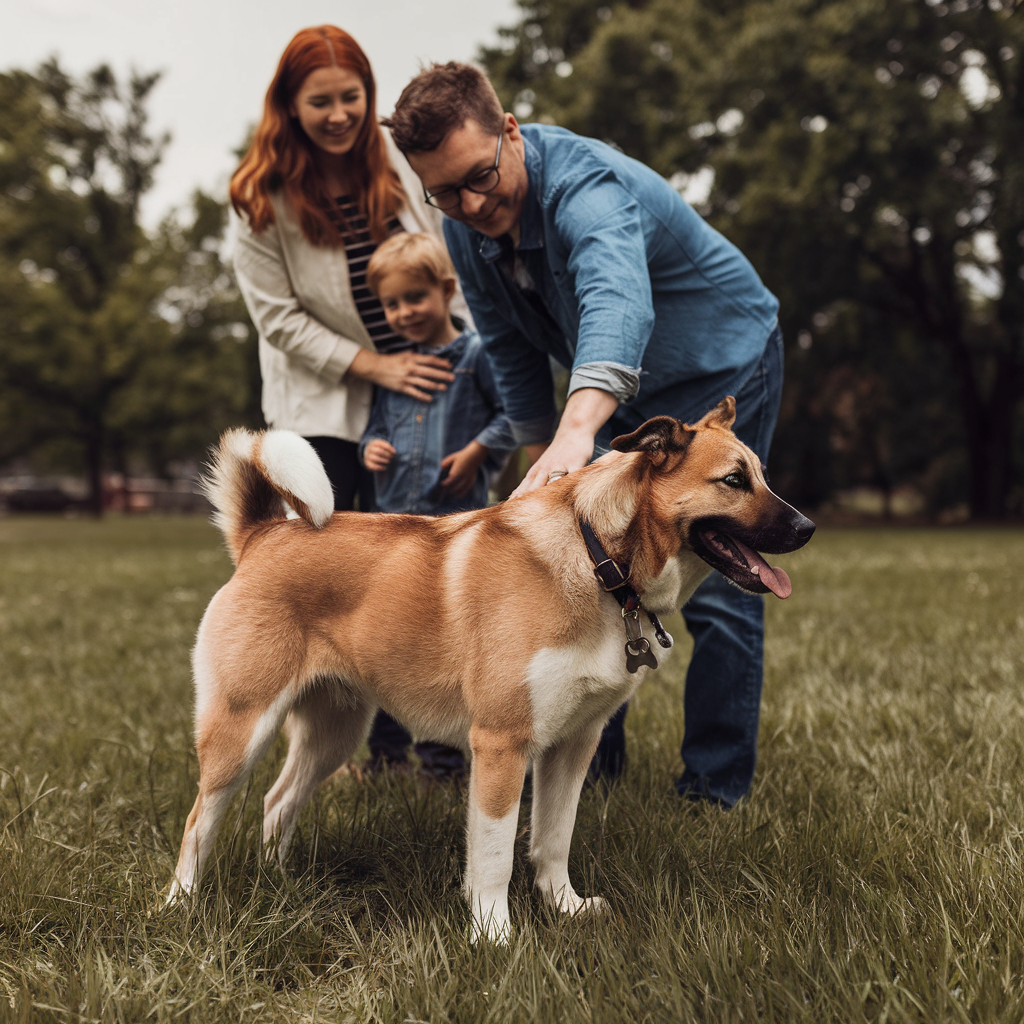
As pet owners, we want our furry companions to live long, happy, and healthy lives. While conventional veterinary care plays a crucial role in maintaining your dog's health, many pet parents are turning to holistic approaches to complement traditional treatments and promote overall wellness. Holistic health for dogs considers the whole animal - body, mind, and spirit - and aims to achieve balance and harmony in all aspects of their well-being.
Understanding Holistic Health for Dogs

Holistic health is an approach that looks at the entire dog, not just individual symptoms or conditions. It emphasizes prevention and treating the root causes of health issues rather than simply addressing symptoms. This comprehensive approach can include a variety of practices, from nutrition and exercise to alternative therapies and natural remedies.
The Benefits of a Holistic Approach
By taking a holistic approach to your dog's health, you may be able to:
- Prevent health issues before they arise
- Boost your dog's immune system
- Reduce reliance on medications
- Improve overall quality of life
- Strengthen the bond between you and your pet
Nutrition: The Foundation of Holistic Health
A balanced, nutritious diet is the cornerstone of holistic health for dogs. Proper nutrition can help prevent a wide range of health issues and promote overall well-being.
Choosing the Right Diet
When selecting food for your dog, consider the following:
- High-quality protein sources
- Balanced nutrients
- Minimal processing
- Appropriate for your dog's life stage and activity level
Many holistic veterinarians recommend a diet that includes fresh, whole foods. This could mean incorporating some home-cooked meals or raw food into your dog's diet, under the guidance of a veterinary nutritionist.
Beneficial Supplements
Certain supplements can enhance your dog's health:
- Fish oil: Rich in omega-3 fatty acids, fish oil can support heart health, joint function, and coat condition.
- Probiotics: These "good" bacteria support digestive health and can boost the immune system.
- Herbs: Certain herbs like turmeric, ginger, and chamomile can offer anti-inflammatory and calming benefits.
Always consult with your veterinarian before adding any supplements to your dog's diet.
Exercise and Mental Stimulation
Regular physical activity is crucial for maintaining your dog's health. Exercise helps maintain a healthy weight, strengthens muscles and joints, and promotes cardiovascular health.
Physical Exercise
The amount and type of exercise your dog needs depend on their breed, age, and overall health. Some ideas include:
- Daily walks
- Fetch or frisbee games
- Swimming (great for low-impact exercise)
- Agility training
Mental Stimulation
Mental exercise is just as important as physical exercise. Keeping your dog's mind active can prevent boredom and associated behavioral issues. Try:
- Puzzle toys
- Training sessions
- Scent work games
- Interactive playtime
Natural Remedies for Common Ailments
While it's important to consult with your veterinarian for any health concerns, there are some natural remedies that can help with minor issues:
Skin and Coat Health
- Coconut oil: Can be applied topically or added to food to soothe dry skin and promote a shiny coat.
- Oatmeal baths: Can help relieve itching and soothe irritated skin.
Digestive Issues
- Pumpkin: The fiber in pumpkin can help with both diarrhea and constipation.
- Ginger: Can help with nausea and vomiting, especially motion sickness.
Anxiety and Stress
- Chamomile: This herb has calming properties and can be given as a weak tea.
- Lavender: The scent of lavender can have a calming effect on dogs.
Alternative Therapies
Many pet owners are exploring alternative therapies as part of a holistic approach to their dog's health. Some popular options include:
Acupuncture
Acupuncture involves inserting thin needles into specific points on the body. It can be used to treat a variety of conditions, including:
- Pain management
- Arthritis
- Digestive issues
- Respiratory problems
Many dogs tolerate acupuncture well, and it can be particularly beneficial for older dogs or those with chronic conditions.
Chiropractic Care
Canine chiropractic care focuses on the proper alignment of the spine and joints. It can help with:
- Mobility issues
- Pain relief
- Recovery from injuries
Chiropractic adjustments for dogs are gentler than those for humans and can be a valuable part of a holistic health plan.
Massage
Massage therapy can offer numerous benefits for dogs, including:
- Improved circulation
- Reduced muscle tension
- Stress relief
- Enhanced bonding between dog and owner
Learning some basic massage techniques can be a great way to support your dog's health at home.
Herbal Medicine
Herbal remedies have been used for centuries to treat various ailments in both humans and animals. Some commonly used herbs for dogs include:
- Echinacea for immune support
- Milk thistle for liver health
- Valerian for anxiety and sleep issues
It's crucial to consult with a holistic veterinarian before using any herbal remedies, as some can interact with medications or be harmful if used incorrectly.
Holistic Approach to Preventive Care
Prevention is a key aspect of holistic health. Regular check-ups and preventive measures can help catch potential issues early and maintain overall health.
Regular Veterinary Check-ups
Even with a holistic approach, regular veterinary exams are crucial. Aim for at least one check-up per year for adult dogs, and more frequent visits for puppies and senior dogs.
Dental Care
Good oral hygiene is essential for your dog's overall health. Regular brushing and dental check-ups can prevent periodontal disease, which can lead to other health issues.
Parasite Prevention
Use natural methods when possible to prevent fleas, ticks, and other parasites. This might include:
- Regular grooming and inspection
- Diatomaceous earth (food-grade) for flea control
- Neem oil as a natural repellent
However, in areas with high parasite loads, conventional preventatives may be necessary. Discuss the best options with your veterinarian.
Creating a Holistic Lifestyle for Your Dog
A holistic approach to your dog's health extends beyond diet and exercise to encompass their entire lifestyle.
Reducing Environmental Toxins
Minimize your dog's exposure to harmful chemicals by:
- Using natural cleaning products in your home
- Avoiding pesticides and herbicides in your yard
- Choosing natural or organic grooming products
Stress Reduction
Stress can have a significant impact on your dog's health. Create a calm environment by:
- Establishing a consistent routine
- Providing a safe, comfortable space for your dog
- Using calming aids like pheromone diffusers when needed
Social Interaction
Dogs are social animals and need regular interaction with both humans and other dogs. Ensure your dog has opportunities for positive social experiences through:
- Playdates with other dogs
- Regular family time
- Training classes or dog sports
The Role of Emotional Well-being
A truly holistic approach recognizes the importance of emotional health. Happy dogs are generally healthier dogs. Foster your dog's emotional well-being by:
- Providing plenty of love and attention
- Engaging in activities your dog enjoys
- Respecting your dog's individual personality and needs
Integrating Holistic Care with Conventional Medicine
It's important to note that holistic care should complement, not replace, conventional veterinary medicine. Many holistic veterinarians practice integrative medicine, combining the best of both approaches for optimal health outcomes.
When to seek conventional care:
- For acute injuries or illnesses
- When prescribed medications are necessary
- For diagnostic tests and screenings
Tailoring Your Approach
Remember that every dog is unique. What works for one may not work for another. Pay attention to your dog's individual needs and responses to different treatments or lifestyle changes. Be prepared to adjust your approach as needed.
The Importance of Professional Guidance
While many aspects of holistic dog care can be implemented at home, it's crucial to work with a qualified professional. Look for a veterinarian who is open to or specializes in holistic care. They can help you develop a comprehensive health plan that's tailored to your dog's specific needs.
Conclusion
Embracing a holistic approach to your dog's health can lead to a happier, healthier, and potentially longer life for your furry friend. By focusing on nutrition, exercise, natural remedies, and overall well-being, you can help your dog thrive. Remember, holistic health is not about rejecting conventional medicine, but about creating a comprehensive approach to health that considers your dog as a whole being.
As you explore holistic options, always keep your veterinarian informed and involved in your dog's care. With the right balance of natural approaches and conventional care, you can give your dog the best possible chance at a long, healthy, and joyful life.