Top 5 Dog Grooming Tips
Regular grooming is essential for keeping your dog’s coat healthy, shiny, and free from tangles and dirt. Whether your dog has a short coat or long fur, a good grooming routine helps maintain their overall well-being and strengthens your bond with them. In this guide, we’ll cover the top five dog grooming tips to ensure your pup looks and feels their best.


1. Brushing: Keep the Coat Tangle-Free and Healthy
Brushing your dog's coat regularly is one of the most important steps in maintaining a shiny, healthy appearance. Different breeds require different levels of grooming, so it's important to know your dog's coat type and how often it needs to be brushed.
Understanding Coat Types: Dogs have five main coat types, each requiring specific brushing techniques and tools:
- Smooth/Short Coats (Beagles, Bulldogs, Boxers): Brush weekly with a rubber curry brush or soft bristle brush to remove dead hair and distribute natural oils.
- Double Coats (Golden Retrievers, Huskies, German Shepherds): Require daily brushing during shedding season (spring and fall) and 3-4 times weekly otherwise. Use an undercoat rake to reach the dense underlayer.
- Long/Silky Coats (Yorkshire Terriers, Maltese, Afghan Hounds): Need daily brushing to prevent matting. Use a pin brush followed by a metal comb.
- Wire/Broken Coats (Terriers, Schnauzers): Brush 2-3 times weekly with a slicker brush. May require hand-stripping every 3-4 months to maintain coat texture.
- Curly Coats (Poodles, Bichon Frises, Portuguese Water Dogs): Brush daily with a slicker brush to prevent matting, as these coats tangle easily.
The Science of Brushing: Regular brushing isn't just cosmetic—it serves multiple health functions. Brushing stimulates blood circulation to the skin, distributes sebum (natural oils) that protect and waterproof the coat, and allows you to check for skin problems, parasites, or lumps early. A study in the Journal of Veterinary Dermatology found that dogs brushed regularly had significantly healthier skin pH levels and fewer dermatological issues.
Professional Tips: Always brush in the direction of hair growth using gentle, short strokes. For dogs with matted fur, never pull or tug—instead, use a dematting tool or carefully cut out severe mats. Start brushing sessions when your dog is young to build positive associations. Keep sessions short (5-10 minutes initially) and reward with treats to make grooming enjoyable.
Common Mistakes to Avoid: Don't brush over mats, as this causes pain and skin irritation. Never use human brushes, which aren't designed for dog coat types. Avoid brushing too vigorously, which can cause "brush burn"—red, irritated skin from excessive friction.
2. Bathing: How Often Is Enough?
Bathing your dog is another essential part of grooming, but it's important not to overdo it. Frequent baths can strip your dog's skin of natural oils, leading to dryness and irritation. Most dogs only need a bath once every 4-6 weeks.
Breed-Specific Bathing Schedules:
- Oily-coated breeds (Basset Hounds, Cocker Spaniels): Every 1-2 weeks to control oil buildup and odor
- Water-resistant coats (Labrador Retrievers, Newfoundlands): Every 6-8 weeks to preserve natural water-repelling oils
- Hairless breeds (Chinese Crested, Xoloitzcuintli): Weekly baths to remove oil and debris from exposed skin
- Standard coats (Mixed breeds, most terriers): Every 4-6 weeks or as needed
Choosing the Right Shampoo: Never use human shampoo on dogs—their skin has a different pH (6.2-7.4) compared to humans (5.2-6.2). Human shampoos can disrupt this balance, causing dryness, irritation, and increased susceptibility to bacteria. Use dog-specific shampoos formulated for their coat type. For dogs with sensitive skin, choose hypoallergenic, fragrance-free formulas. Dogs with allergies may benefit from medicated shampoos containing oatmeal, aloe vera, or hydrocortisone.
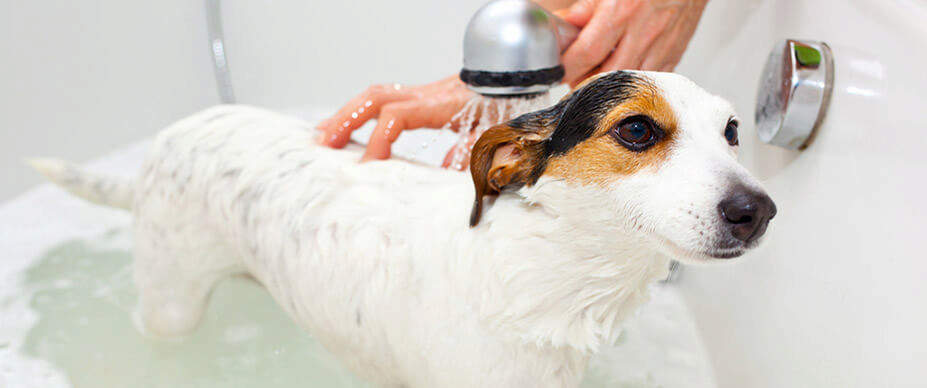
Proper Bathing Technique: Brush your dog thoroughly before bathing to remove loose hair and mats—wet mats tighten and become harder to remove. Use lukewarm water (around 98-100°F), as hot water can dry out skin and cold water is uncomfortable. Wet the coat completely, apply shampoo, and massage gently into the skin. Rinse thoroughly—leftover shampoo residue can cause itching and skin irritation. For dogs with thick coats, rinse twice as long as you think necessary.
Drying Methods: Towel dry first to remove excess water. For thick or double-coated breeds, use a high-velocity dryer (on low heat) to prevent moisture from being trapped against the skin, which can lead to hot spots. Never leave dogs with dense coats to air dry, as this creates ideal conditions for fungal infections. For nervous dogs, desensitize them to the dryer gradually using treats and positive reinforcement.
Signs You're Bathing Too Frequently: Dry, flaky skin; excessive scratching; dull, brittle coat; or increased shedding indicate over-bathing. Reduce frequency and consider adding a moisturizing conditioner to your routine.

3. Nail Trimming: Keep Paws Healthy
Nail trimming is essential for your dog's comfort and health. Overgrown nails can cause discomfort, affect your dog's gait, and even lead to injuries. Trim your dog's nails every 3-4 weeks.
Why Nail Trimming Matters: When nails grow too long, they force the toes to splay outward, altering the natural alignment of the leg joints. This can lead to arthritis and chronic pain, especially in older dogs. Long nails are more likely to split or break, causing painful bleeding and potential infection. In severe cases, overgrown nails can curl under and grow into the paw pads, requiring veterinary intervention.
Anatomy of a Dog Nail: Dog nails contain a blood vessel and nerve called the "quick." In clear or white nails, the quick appears as a pink area inside the nail. In black nails, you can't see the quick, making trimming more challenging. The quick grows longer as nails grow, so if your dog has overgrown nails, you'll need to trim small amounts weekly to gradually recede the quick.
Tools and Techniques:
- Guillotine clippers: Best for small to medium dogs with softer nails
- Scissor-style clippers: Ideal for large dogs with thick nails, providing more control
- Nail grinders: Electric tools that file nails down gradually, reducing risk of cutting the quick but requiring desensitization training
Step-by-Step Trimming: Handle your dog's paws daily from puppyhood to build comfort. When ready to trim, hold the paw firmly but gently. Cut at a 45-degree angle, removing small amounts at a time. For black nails, look for a gray or pink oval appearing in the cut surface—stop before reaching this point. If you do cut the quick, apply styptic powder or cornstarch to stop bleeding and comfort your dog.
How to Tell When Nails Need Trimming: If you hear clicking on hard floors, nails are too long. Ideally, nails should just clear the ground when your dog stands. For most dogs on soft surfaces, this means trimming every 3-4 weeks. Dogs who regularly walk on concrete may naturally wear down their nails and need less frequent trimming.
For Anxious Dogs: Use desensitization training—start by simply touching paws, then holding the clippers near the paw without cutting, gradually building to actual trimming. Use high-value treats throughout. Consider trimming one or two nails per session rather than all at once. If anxiety is severe, consult a professional groomer or veterinarian who can trim nails safely.
4. Ear Cleaning: Prevent Infections
Regular ear cleaning helps prevent infections, especially in dogs with floppy ears like Cocker Spaniels. Use a vet-recommended ear cleaner and ensure their ears are dry after swimming or baths.
Why Ear Cleaning is Critical: A dog's ear canal is L-shaped, creating an ideal environment for moisture, wax, and debris to accumulate. This warm, dark environment is perfect for bacterial and yeast growth. Dogs with floppy ears (Spaniels, Basset Hounds, Retrievers) are particularly susceptible because their ear flaps trap moisture and reduce air circulation. Ear infections (otitis externa) are one of the most common reasons dogs visit veterinarians.
Signs of Ear Problems: Watch for head shaking, scratching at ears, redness or swelling, discharge (brown, yellow, or bloody), foul odor, sensitivity when ears are touched, or loss of balance. If you notice any of these signs, consult your veterinarian before cleaning—some conditions worsen with cleaning.
Proper Ear Cleaning Technique: Use a veterinarian-recommended ear cleaner—never use water, alcohol, hydrogen peroxide, or vinegar, which can damage the ear canal or worsen infections. Fill the ear canal with solution, massage the base of the ear for 20-30 seconds (you'll hear a squishing sound), then allow your dog to shake their head. Wipe the outer ear and canal entrance with cotton balls or gauze—never insert anything into the ear canal, as this can damage the eardrum.
Cleaning Frequency: Dogs with healthy ears typically need cleaning every 1-2 months. Dogs prone to infections may need weekly cleanings. After swimming or bathing, always dry ears thoroughly with a clean, dry cloth or use a drying agent recommended by your vet. Never clean ears more frequently than recommended, as over-cleaning can irritate the ear canal and increase infection risk.
Breed-Specific Considerations: Dogs with hair in their ear canals (Poodles, Shih Tzus, Schnauzers) may benefit from professional plucking to improve air circulation, though this is controversial—some veterinarians believe it causes inflammation. Discuss with your vet whether this is appropriate for your dog.
5. Dental Care: Maintain Oral Health
Good oral hygiene is crucial for your dog's overall health. Brush your dog's teeth two to three times a week and provide dental chews to help reduce plaque and tartar buildup.
The Hidden Dangers of Poor Dental Health: By age three, 80% of dogs show signs of dental disease. But dental problems go far beyond bad breath. Bacteria from periodontal disease enter the bloodstream and can damage the heart, liver, and kidneys. Studies have shown that dogs with severe periodontal disease have a 20% higher risk of developing kidney disease and a 12% higher risk of heart disease.
Daily Brushing: The Gold Standard: Daily tooth brushing is the most effective way to prevent dental disease, reducing plaque by up to 80%. Use dog-specific toothpaste—human toothpaste contains xylitol and fluoride, which are toxic to dogs. Start slowly: let your dog taste the toothpaste first, then gradually progress to touching their teeth with your finger, then a finger brush, and finally a dog toothbrush. Focus on the outer surfaces where plaque accumulates most.
Dental Products That Work:
- VOHC-approved dental chews: Look for the Veterinary Oral Health Council seal, which indicates proven effectiveness
- Dental diets: Special kibble designed to mechanically remove plaque as dogs chew
- Water additives: Enzymatic solutions that reduce bacteria and freshen breath
- Dental toys: Rubber toys with ridges can help massage gums and remove plaque
Warning Signs of Dental Disease: Bad breath (worse than typical "dog breath"), yellow or brown tartar buildup, red or bleeding gums, difficulty eating or dropping food, pawing at the mouth, or loose teeth. If you notice these signs, schedule a veterinary dental exam immediately.
Professional Dental Cleanings: Even with home care, most dogs need professional cleanings under anesthesia every 1-3 years. "Anesthesia-free" dental cleanings are not recommended by veterinary dentists—they only remove visible tartar without addressing disease below the gum line and can be stressful for dogs.
Starting Early: Begin dental care when your dog is a puppy to establish good habits. Use positive reinforcement with treats and praise. Keep initial sessions short (30 seconds) and gradually increase duration as your dog becomes comfortable.
Creating a Comprehensive Grooming Schedule
A consistent grooming routine keeps your dog healthy and makes grooming easier over time. Here's a sample schedule:
- Daily: Brush (for long or double-coated breeds), check eyes for discharge, wipe face folds (for wrinkly breeds)
- Weekly: Brush (short-coated breeds), check ears for odor or debris, inspect paws for cuts or foreign objects
- Every 2-4 weeks: Trim nails, brush teeth (ideally daily)
- Every 4-8 weeks: Full bath (adjust based on coat type)
- Every 1-2 months: Clean ears (if not prone to infections)
- Every 6-12 weeks: Professional grooming (for breeds requiring haircuts)
About the Author
Jessica Reynolds, Certified Master Groomer, NCMG
Jessica Reynolds is a National Certified Master Groomer with over 18 years of professional grooming experience. She holds certifications from the National Dog Groomers Association of America and has specialized training in breed-specific grooming standards. Jessica has worked with thousands of dogs across all breeds and coat types, from nervous rescues to show dogs preparing for competition.
She owns a award-winning grooming salon in Austin, Texas, and regularly teaches grooming workshops for pet owners. Jessica is passionate about educating pet parents on proper home grooming techniques and works closely with local veterinarians to identify early signs of health issues during grooming sessions.
References and Further Reading
- Miller, W. H., Griffin, C. E., & Campbell, K. L. (2013). "Muller and Kirk's Small Animal Dermatology." Elsevier Health Sciences.
- Gortel, K. (2013). "Evidence-based veterinary dermatology: a review of published studies." Veterinary Dermatology, 24(1), 123-142.
- Harvey, C. E., & Emily, P. P. (1993). "Small Animal Dentistry." Mosby-Year Book.
- Niemiec, B. A. (2013). "Veterinary Periodontology." Wiley-Blackwell.
- Paterson, S. (2008). "Skin Diseases of Exotic Pets." Blackwell Science.
- American Kennel Club (2024). "Grooming Requirements by Breed."
Professional Organizations:
- National Dog Groomers Association of America (NDGAA) - www.nationaldoggroomers.com
- Veterinary Oral Health Council (VOHC) - www.vohc.org
- American Veterinary Dental College (AVDC) - www.avdc.org