
The Complete Pet Grooming Guide: Keeping Your Pet Clean, Healthy, and Happy
Table of Contents
- Introduction to Pet Grooming
- Creating a Grooming Schedule
- Essential Grooming Tools
- Bathing Your Pet
- Nail Trimming and Paw Care
- Dental Care and Oral Hygiene
- Ear Cleaning and Care
- Coat Care and Brushing
- Breed-Specific Grooming Needs
- Professional vs. Home Grooming
- Maintaining Your Pet's Health and Beauty
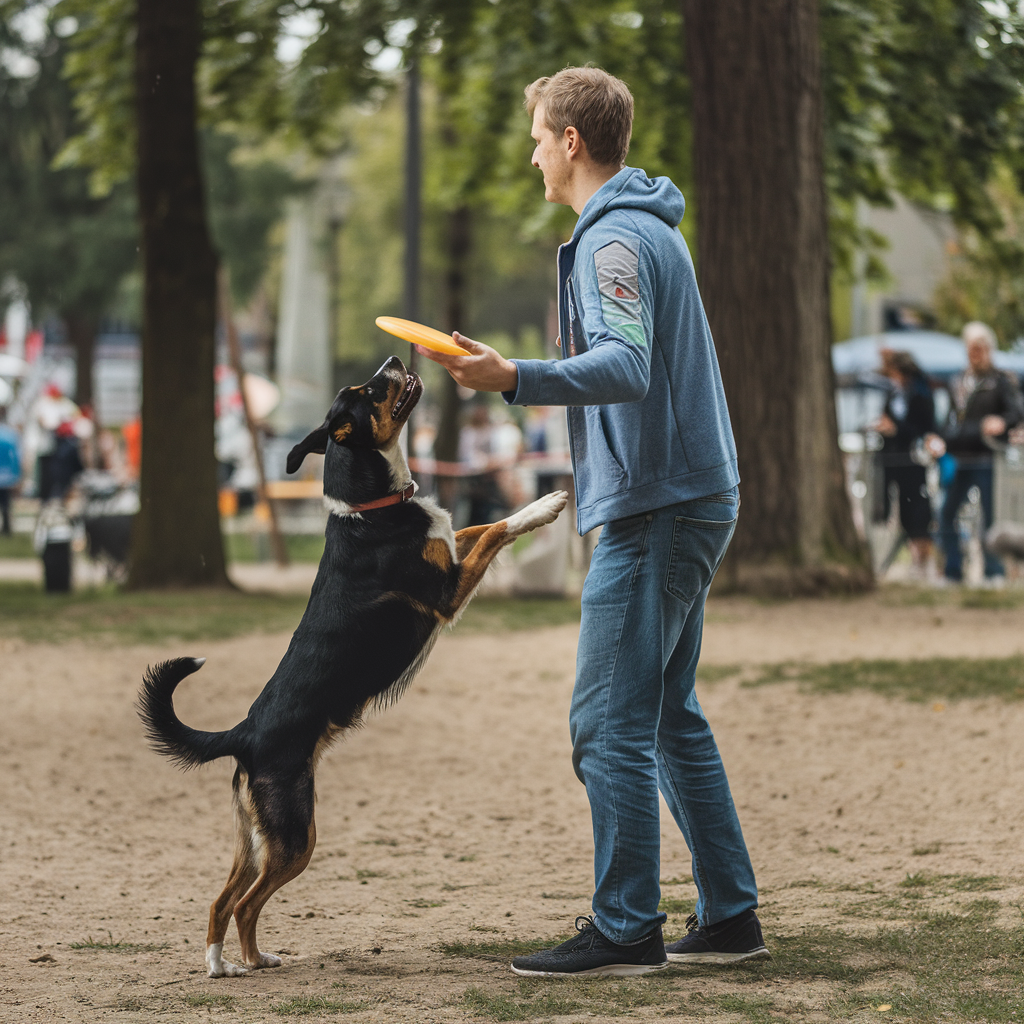
Introduction to Pet Grooming
Pet grooming is far more than just making your furry friend look good - it's an essential component of their overall health and well-being. Regular grooming helps prevent health problems, strengthens the bond between you and your pet, and allows you to monitor their physical condition for any changes that might indicate health issues.
Many pet owners view grooming as a luxury or something that only show dogs need, but this couldn't be further from the truth. Every pet, regardless of breed or coat type, benefits from regular grooming. From preventing matted fur and skin infections to maintaining healthy nails and teeth, grooming plays a crucial role in your pet's quality of life.
This comprehensive guide will walk you through every aspect of pet grooming, from basic at-home care to understanding when professional grooming services are necessary. Whether you're a new pet owner or looking to improve your grooming routine, you'll find practical tips and techniques that will keep your pet healthy, comfortable, and looking their best.
Creating a Grooming Schedule
Establishing a consistent grooming routine is key to maintaining your pet's health and making the process stress-free for both of you. Different aspects of grooming require different frequencies, and creating a schedule helps ensure nothing is overlooked.
Comprehensive Grooming Schedule
| Grooming Task | Dogs | Cats | Notes |
|---|---|---|---|
| Brushing | Daily to weekly | Daily to weekly | Frequency depends on coat type and length |
| Bathing | Every 4-6 weeks | As needed (rarely) | More frequent for active outdoor dogs |
| Nail Trimming | Every 2-3 weeks | Every 2-3 weeks | Indoor cats may need less frequent trimming |
| Ear Cleaning | Weekly to monthly | Monthly | Floppy-eared breeds need more frequent cleaning |
| Dental Care | Daily brushing | 2-3 times weekly | Daily dental treats can supplement brushing |
| Professional Grooming | Every 6-8 weeks | 2-3 times yearly | Varies greatly by breed and coat type |
Factors Affecting Grooming Frequency
- Coat type: Double coats, long hair, and curly coats require more frequent attention
- Activity level: Active outdoor pets need more frequent bathing and paw care
- Age: Senior pets may need gentler, more frequent grooming sessions
- Health conditions: Skin allergies or other conditions may require special care
- Season: Shedding seasons require more frequent brushing
Essential Grooming Tools
Having the right tools makes grooming easier, more effective, and more comfortable for your pet. Invest in quality tools that will last and make the grooming experience pleasant for both of you.
Complete Grooming Tool Kit
Brushing Tools
- Slicker brush (removes mats and loose fur)
- Pin brush (for long, flowing coats)
- Bristle brush (for short, smooth coats)
- Undercoat rake (for double-coated breeds)
- De-shedding tool
- Metal comb (fine and wide-tooth)
Bathing Supplies
- Pet-specific shampoo and conditioner
- Non-slip bath mat
- Handheld shower attachment
- Absorbent towels
- Hair dryer (pet-safe, low heat)
- Cotton balls for ears
Nail and Paw Care
- Nail clippers (guillotine or scissor type)
- Nail file or grinder
- Styptic powder (for minor bleeding)
- Paw balm
- Flashlight or good lighting
Dental Care
- Pet toothbrush or finger brush
- Pet-safe toothpaste
- Dental chews and toys
- Oral rinse (vet-approved)
- Gauze pads
Additional Tools
- Ear cleaning solution
- Cotton swabs (for external ear only)
- Pet-safe scissors
- Grooming table or non-slip surface
- Treats for positive reinforcement
- Storage container for supplies
Bathing Your Pet
Proper bathing technique is crucial for maintaining your pet's skin and coat health while making the experience as stress-free as possible.
Step-by-Step Bathing Guide
Brush your pet thoroughly to remove loose hair and mats. Place cotton balls gently in ears to prevent water entry. Gather all supplies within easy reach.
Use lukewarm water (similar to baby bath temperature). Place a non-slip mat in the tub. Test water temperature with your elbow or a thermometer.
Start by wetting paws and legs first, gradually working up the body. Avoid spraying water directly on the face initially. Speak calmly and reassuringly throughout.
Apply pet shampoo starting from the neck and working backward. Massage gently into the coat, avoiding eyes and inner ears. Pay attention to areas that get dirty easily.
Rinse completely - soap residue can cause skin irritation. Rinse until water runs clear. Pay extra attention to areas where soap tends to accumulate.
Towel dry thoroughly, then use a pet-safe blow dryer on cool setting if your pet tolerates it. Brush as you dry to prevent mats from forming.
Bathing Safety Tips
- Never use human shampoo: It can disrupt your pet's skin pH balance
- Avoid getting water in ears: Can lead to ear infections
- Keep baths short: 10-15 minutes maximum to reduce stress
- Monitor water temperature: Too hot or cold can be uncomfortable or dangerous
- Reward good behavior: Use treats and praise throughout the process
- Never leave your pet unattended: Accidents can happen quickly in water
Nail Trimming and Paw Care
Regular nail trimming is essential for your pet's comfort and health. Overgrown nails can cause pain, affect gait, and even lead to injuries.
Understanding Nail Anatomy
- The quick: Pink tissue inside the nail containing blood vessels and nerves
- The nail: Hard outer covering that continues to grow
- Dewclaws: "Thumb" nails that don't touch the ground but still need trimming
Nail Trimming Technique
- Get your pet comfortable: Handle paws regularly when not trimming
- Choose the right tool: Guillotine clippers for small dogs, scissor-type for larger pets
- Identify the quick: In light nails, it appears pink; trim only the white tip
- Make clean cuts: Cut at a 45-degree angle, avoiding the quick
- Trim gradually: Take off small amounts rather than trying to cut a lot at once
- Reward immediately: Give treats and praise after each successful nail
What to Do If You Hit the Quick
- Stay calm: Your pet will pick up on your anxiety
- Apply styptic powder: This stops bleeding quickly
- Apply gentle pressure: Use a clean cloth if styptic powder isn't available
- Offer comfort: Reassure your pet with calm words and treats
- Monitor for infection: Watch the nail for signs of infection over the next few days
Dental Care and Oral Hygiene
Dental disease is one of the most common health problems in pets, yet it's also one of the most preventable with proper care.
Signs of Dental Problems
- Bad breath: While some odor is normal, very strong bad breath indicates problems
- Yellow or brown tartar buildup: Visible on teeth, especially near the gum line
- Red, swollen gums: Healthy gums should be pink and firm
- Difficulty eating: Dropping food, chewing on one side, reluctance to eat hard food
- Pawing at the mouth: May indicate pain or discomfort
Home Dental Care Routine
- Start gradually: Let your pet get used to having their mouth handled
- Use pet toothpaste: Never use human toothpaste (contains xylitol, toxic to pets)
- Choose the right brush: Finger brushes work well for beginners
- Focus on the gum line: This is where plaque accumulates most
- Brush in circular motions: Gentle pressure, don't scrub aggressively
- Make it positive: Use praise and treats to create positive associations
Ear Cleaning and Care
Regular ear cleaning prevents infections and allows you to catch problems early. Some breeds with floppy ears or lots of ear hair are more prone to ear issues.
When to Clean Ears
- Routine maintenance: Weekly to monthly for most pets
- After swimming or bathing: Moisture can lead to infections
- When you notice odor: Strong, unpleasant smells indicate problems
- Visible dirt or wax: Normal cleaning is sufficient for minor buildup
Ear Cleaning Process
- Gather supplies: Pet-safe ear cleaner, cotton balls, treats
- Apply cleaner: Squeeze recommended amount into ear canal
- Massage the base: Gentle circular motions help distribute cleaner
- Allow shaking: Let your pet shake their head to loosen debris
- Wipe gently: Use cotton balls to clean visible areas only
- Never go deep: Only clean what you can see
Coat Care and Brushing
Regular brushing is one of the most important aspects of pet grooming, regardless of coat type. It prevents mats, reduces shedding, and distributes natural oils.
Short-Haired Breeds
- Frequency: 2-3 times per week
- Tools: Bristle brush, rubber curry comb
- Technique: Brush in direction of hair growth
- Focus areas: Areas prone to shedding
- Benefits: Reduces shedding, improves circulation
Long-Haired Breeds
- Frequency: Daily brushing essential
- Tools: Pin brush, slicker brush, metal comb
- Technique: Work in sections, brush to the skin
- Focus areas: Behind ears, under legs, tail
- Benefits: Prevents mats, maintains coat health
Double-Coated Breeds
- Frequency: Daily during shedding season
- Tools: Undercoat rake, de-shedding tool
- Technique: Work through both coat layers
- Focus areas: Areas where undercoat is thick
- Benefits: Manages heavy shedding periods
Curly/Wavy Coats
- Frequency: Every other day minimum
- Tools: Slicker brush, wide-tooth comb
- Technique: Brush when slightly damp
- Focus areas: Areas prone to matting
- Benefits: Maintains curl pattern, prevents mats
Breed-Specific Grooming Needs
Different breeds have unique grooming requirements based on their coat type, skin sensitivity, and historical purpose.
High-Maintenance Breeds
- Poodles and Doodles: Professional grooming every 6-8 weeks, daily brushing
- Afghan Hounds: Daily brushing essential, weekly baths
- Maltese: Daily brushing, topknots to keep hair from eyes
- Persian Cats: Daily brushing, regular eye cleaning
Special Considerations
- Wrinkled breeds (Bulldogs, Shar Peis): Clean skin folds daily
- Hairless breeds: Special skin care, sunscreen, moisturizing
- Water-loving breeds: More frequent ear cleaning needed
- Working breeds: Focus on paw care and coat protection
Professional vs. Home Grooming
Understanding when to groom at home versus when to seek professional services helps you provide the best care while managing costs effectively.
Professional vs. Home Grooming Comparison
Professional Grooming
Pros
- Expert technique and experience
- Professional-grade equipment
- Handles difficult or anxious pets
- Complete service in one session
- Trained to spot health issues
Cons
- Higher cost
- Appointment scheduling required
- Stress for some pets
- Less control over process
- May require travel
Home Grooming
Pros
- Cost-effective long term
- Convenient timing
- Familiar environment for pet
- Bonding opportunity
- Complete control over process
Cons
- Time-intensive
- Learning curve required
- Equipment investment
- May miss health issues
- Difficult for some coat types
When to Choose Professional Grooming
- Complex coat styles: Breed-specific cuts requiring expertise
- Severely matted coats: May require professional equipment
- Anxious or aggressive pets: Professionals have handling experience
- Health issues: Skin conditions or mobility problems
- Special occasions: Shows, photo sessions, or special events
Maintaining Your Pet's Health and Beauty
Regular grooming is an investment in your pet's health, comfort, and happiness. While it may seem daunting at first, establishing a consistent routine makes the process easier for both you and your pet.
Remember that grooming is about more than appearance - it's a vital part of preventive health care. Through regular grooming sessions, you'll become familiar with your pet's normal condition, making it easier to spot potential health issues early when they're most treatable.
Start slowly, be patient, and always make grooming a positive experience through praise, treats, and gentle handling. Whether you choose to do everything at home or combine home care with professional services, the key is consistency and attention to your pet's individual needs.
Final Grooming Tips
- Start early: Begin grooming routines when pets are young
- Go slow: Gradual introduction prevents fear and anxiety
- Stay positive: Use treats, praise, and patience throughout
- Watch for changes: Use grooming time to check for health issues
- Know your limits: Don't hesitate to seek professional help when needed
- Make it routine: Regular grooming is easier than sporadic intensive sessions