Building the Perfect Pet-Friendly Home: Design, Safety, and Comfort for Your Animal Family
Table of Contents
Creating a pet-friendly home requires thoughtful planning that balances the needs of both human and animal family members. A well-designed pet-friendly environment enhances safety, promotes natural behaviors, reduces stress, and strengthens the bond between pets and their owners. This comprehensive guide will help you transform your living space into a harmonious environment that serves everyone's needs.
Modern pet-friendly home design goes beyond simply accommodating pets to actively enhancing their well-being while maintaining aesthetic appeal and functionality for human occupants. The key lies in understanding animal behavior, implementing safety measures, and creating dedicated spaces that allow pets to express natural behaviors while feeling secure and comfortable.
Pet-Friendly Design Principles
Successful pet-friendly home design follows several fundamental principles that ensure the space meets both functional and emotional needs of all inhabitants. These principles guide decision-making throughout the design process and help create cohesive, practical solutions.
Safety First
Eliminate hazards, secure dangerous items, and create safe pathways throughout the home. Consider potential risks from a pet's perspective and height.
Natural Behavior Support
Design spaces that accommodate natural behaviors like scratching, climbing, hiding, and territorial marking through appropriate outlets.
Function and Beauty
Integrate pet features seamlessly into your home's aesthetic without compromising style or functionality for human occupants.
Flexibility and Adaptability
Create adaptable spaces that can evolve with changing pet needs, new additions to the family, or different life stages.
Universal Design Concepts
Universal design principles benefit both pets and humans by creating accessible, safe, and comfortable environments. Consider varying heights, multiple access points, easy-to-clean surfaces, and intuitive navigation throughout your home.
Essential Safety Considerations
Pet safety should be the foundation of any home design decisions. Understanding common hazards and implementing preventive measures protects pets from injury while giving owners peace of mind. Safety considerations vary by pet species, size, age, and individual behavior patterns.
Comprehensive Safety Checklist
Electrical Safety
- Cover or conceal electrical cords
- Use outlet covers in accessible areas
- Secure power strips and adapters
- Install GFCI outlets in wet areas
Chemical Hazards
- Secure cleaning supplies in locked cabinets
- Store medications out of reach
- Remove toxic plants from accessible areas
- Use pet-safe household products
Kitchen Safety
- Install cabinet locks on dangerous items
- Secure trash cans with tight-fitting lids
- Remove access to small objects
- Consider stove knob covers
Physical Hazards
- Install safety gates on stairs
- Secure or remove breakable items
- Check for small gaps pets could get stuck in
- Ensure windows have secure screens
Safety Assessment
Get down to your pet's eye level and crawl around your home to identify potential hazards you might miss from standing height. This perspective reveals dangers and opportunities invisible from human vantage points.
Room-by-Room Planning Guide
Each room in your home presents unique opportunities and challenges for pet-friendly design. A systematic room-by-room approach ensures no area is overlooked and helps create cohesive pet accommodation throughout your living space.
Pet-Friendly Room Features
Living Room
Durable furniture fabrics, pet beds integrated into decor, scratching posts, toy storage, safe electrical cord management
Kitchen
Pet feeding station, water fountain, non-slip mats, secure cabinets, easy-to-clean flooring, pet gate access
Bedroom
Pet sleeping areas, air purification, blackout options, quiet zones, temperature control, safe hideaways
Bathroom
Litter box placement, ventilation, non-slip surfaces, secure medications, easy-access water, grooming storage
Entryway and Mudroom Design
The entryway sets the tone for your pet-friendly home and serves as a transition zone between outdoor and indoor environments. Include storage for leashes, toys, and grooming supplies, along with easy-to-clean surfaces for muddy paws and quick cleanups.
Creating Comfort Zones
Comfort zones provide pets with secure, private spaces where they can retreat, rest, and feel safe. These areas should be easily accessible, appropriately sized, and positioned in quiet locations away from high-traffic areas and loud noises.
Essential Comfort Zone Elements
Every pet needs a designated comfort zone that includes appropriate bedding, temperature control, visual privacy, easy access to water, and minimal disturbance from household activity. Consider multiple comfort zones throughout your home to give pets options based on their mood and needs.
Species-Specific Comfort Needs
Canine Comfort
Dogs prefer ground-level beds with clear views of family activity, easy access to outdoor areas, and proximity to their human family members.
Feline Comfort
Cats need vertical spaces, hidden retreats, window access, scratching surfaces, and multiple escape routes from each area.
Avian Comfort
Birds require natural light cycles, protection from drafts, social viewing areas, and quiet spaces for rest and molting.
Small Mammal Comfort
Small pets need secure enclosures, appropriate substrate, hiding places, temperature stability, and protection from predator stress.
Designing Activity and Play Areas
Activity spaces provide mental stimulation, physical exercise, and behavioral outlets that prevent destructive behaviors while promoting health and happiness. These areas should be safe, engaging, and easily supervised by owners.
Indoor Exercise Solutions
Indoor activity areas accommodate exercise needs during inclement weather or for pets who cannot safely access outdoor spaces. Consider installing agility equipment, climbing structures, or designated play zones with appropriate flooring and safety features.
Mental Stimulation
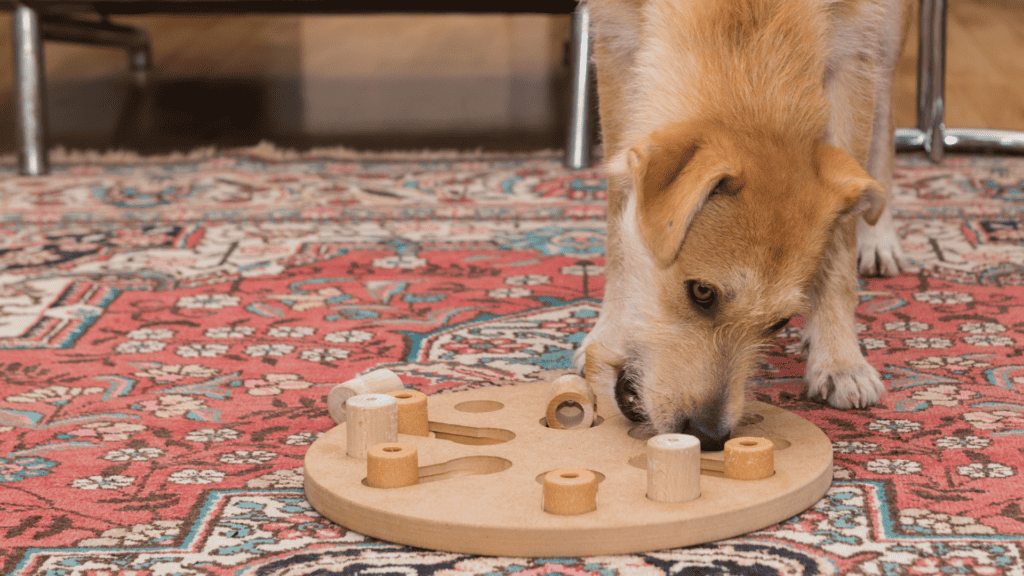
Incorporate puzzle feeders, rotating toys, and environmental enrichment that challenges your pet's problem-solving abilities. Mental exercise is often more tiring than physical activity and helps prevent behavioral problems.
Pet-Safe Material Selection
Choosing appropriate materials for pet-friendly homes involves balancing durability, safety, aesthetics, and maintenance requirements. The right materials withstand pet activity while maintaining their appearance and functionality over time.
Material Performance Guide
Luxury Vinyl Plank
Waterproof, scratch-resistant, easy cleaning, comfortable underfoot
Ceramic Tile
Durable, hygienic, cool surface, can be slippery when wet
Performance Fabrics
Stain-resistant, durable, comfortable, may show wear patterns
Quartz Countertops
Non-porous, scratch-resistant, easy cleaning, heat-resistant
Sustainable and Non-Toxic Options
Consider environmentally friendly materials that are safe for pets and humans while minimizing environmental impact. Look for low-VOC finishes, sustainable wood sources, and recycled content materials that maintain durability and performance standards.
Multi-Pet Household Considerations
Multi-pet households require additional planning to prevent conflicts, accommodate different needs, and ensure each pet has access to resources without competition. Design solutions should promote harmony while meeting individual pet requirements.
Resource Distribution
Provide multiple feeding stations, water sources, rest areas, and toilet facilities to prevent resource guarding and ensure all pets have access to essentials. The general rule is one resource per pet plus one extra, distributed throughout the home.
Traffic Flow Management
Design clear pathways that allow pets to move freely without forcing confrontations or creating bottlenecks at doorways and stairs.
Vertical Space Utilization
Use vertical space to create separate territories, especially important for cat households where height provides security and status.
Budget-Friendly Implementation
Creating a pet-friendly home doesn't require a complete renovation or unlimited budget. Strategic improvements and DIY solutions can significantly enhance your home's pet-friendliness while managing costs effectively.
Pet-Friendly Home Budget Guide
DIY Solutions
Many pet-friendly modifications can be accomplished through DIY projects, including built-in feeding stations, custom pet gates, scratching post integration, and storage solutions for pet supplies. Online tutorials and home improvement stores provide resources and materials for pet-focused projects.
Maintenance and Upkeep
Maintaining a pet-friendly home requires regular attention to cleanliness, safety checks, and equipment maintenance. Establishing routines and using appropriate products helps preserve your investment while ensuring continued safety and comfort.
Maintenance Schedule
Create a regular maintenance schedule that includes daily cleaning routines, weekly safety checks, monthly equipment inspection, and seasonal deep cleaning projects. Consistent maintenance prevents small problems from becoming major issues.
Cleaning and Odor Control
Effective cleaning strategies use pet-safe products and target common problem areas like feeding stations, sleep areas, and high-traffic zones. Air purification systems, regular grooming, and prompt accident cleanup help maintain a fresh, healthy environment.
Conclusion
Building the perfect pet-friendly home is an ongoing process that evolves with your pets' changing needs and your family's lifestyle. The investment in thoughtful design, safety modifications, and comfort features pays dividends in improved quality of life for both pets and their human family members.
Remember that the most successful pet-friendly homes balance functionality with aesthetics, safety with accessibility, and individual pet needs with family requirements. Start with essential safety modifications and gradually implement comfort and activity features as budget and time allow.
Your pet-friendly home should reflect your commitment to providing the best possible environment for your animal companions while maintaining a space that serves all family members effectively. With careful planning and thoughtful implementation, you can create a harmonious home that everyone will love.