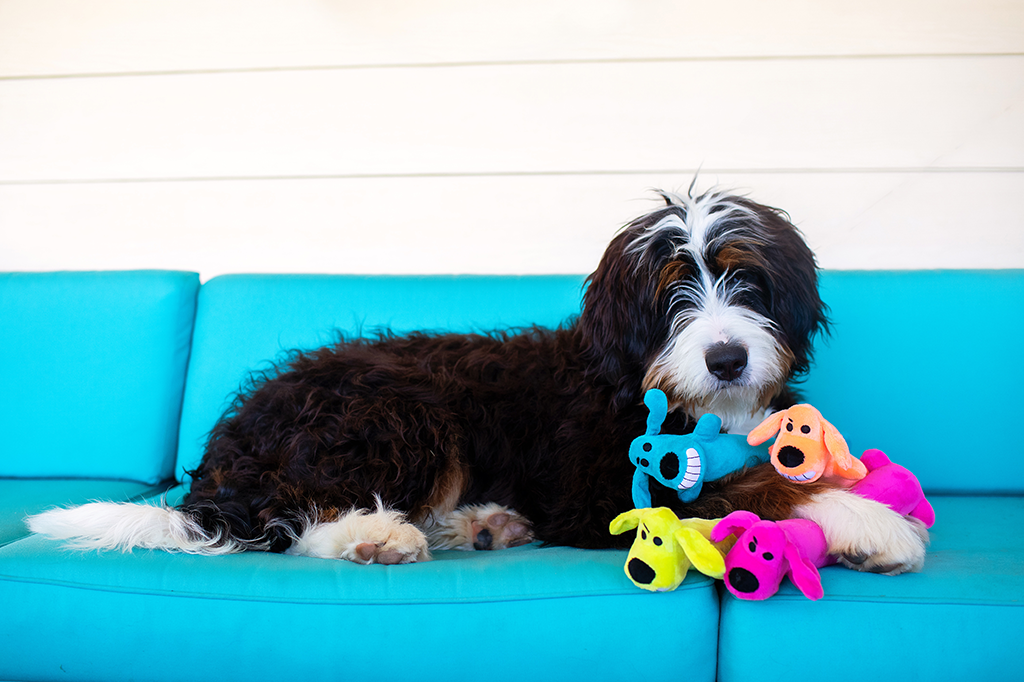
The Importance of Regular Exercise for Your Dog
Exercise is essential to maintaining your dog’s physical and mental well-being. Just like humans, dogs need regular activity to stay healthy, happy, and fit. Without adequate exercise, dogs can become overweight, develop behavioral issues, and face long-term health problems. This guide will explore why regular exercise is crucial for your dog, how much exercise they need, and fun ways to keep them active.
1. Physical Health Benefits of Regular Exercise
Regular exercise provides a wide range of physical health benefits for your dog, helping them maintain an optimal weight and prevent various health issues:
- Weight management: Daily movement burns calories and keeps joints strong, reducing the risk of arthritis, diabetes, and heart disease.
- Better digestion: Walks stimulate the gut, helping prevent constipation and bloat in deep-chested breeds.
- Improved endurance: Gradual conditioning builds muscle tone, lung capacity, and overall stamina for adventures.
Pair exercise with balanced nutrition and plenty of fresh water to support recovery and maintain a healthy body condition score.
2. Mental Health Benefits
Exercise isn’t just about keeping your dog physically fit—it’s also crucial for their mental well-being. Dogs are intelligent, energetic creatures that need regular mental stimulation to stay happy:
- Reduced anxiety: Movement releases feel-good endorphins that calm nervous pups.
- Fewer behavior issues: A tired mind and body can curb chewing, barking, and digging.
- Sharper focus: Training games during walks reinforce obedience and impulse control.
Rotate routes, let them sniff, and sprinkle in short training drills to keep every outing mentally rich.
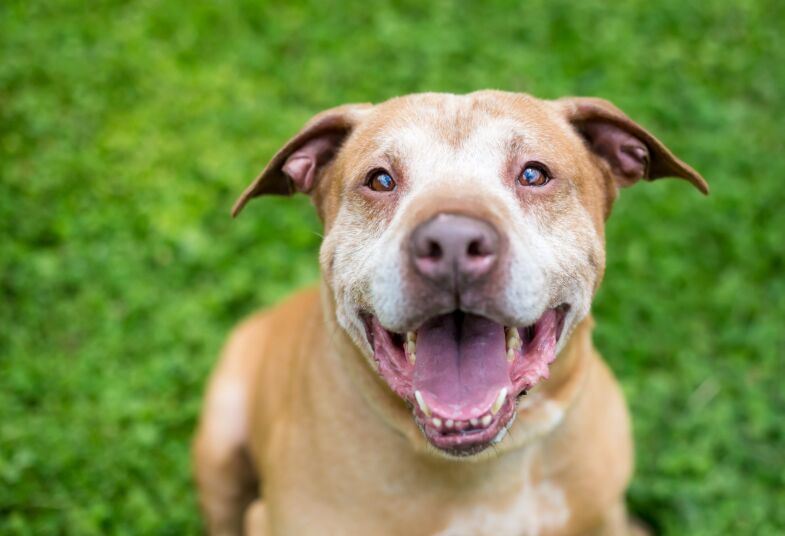
3. How Much Exercise Does Your Dog Need?
The amount of exercise your dog needs depends on several factors, including their breed, age, and energy level. Here’s a general guide:
- Puppies: 5 minutes of gentle play per month of age, 2–3 times daily, with lots of rest.
- Adults: Moderate-energy dogs: 30–60 minutes daily. High-energy breeds: 90–120 minutes split into two sessions.
- Seniors: 15–30 minutes of low-impact walks, plus stretching and sniffing breaks.
Adjust for weather, weight, and medical conditions—when in doubt, ask your vet for a tailored plan.
4. Fun Ways to Keep Your Dog Active
Keeping your dog active doesn’t have to be a chore. Mix and match activities to keep things interesting:
- Walk + sniffaris: Let them choose part of the route and stop to sniff; mental work is tiring.
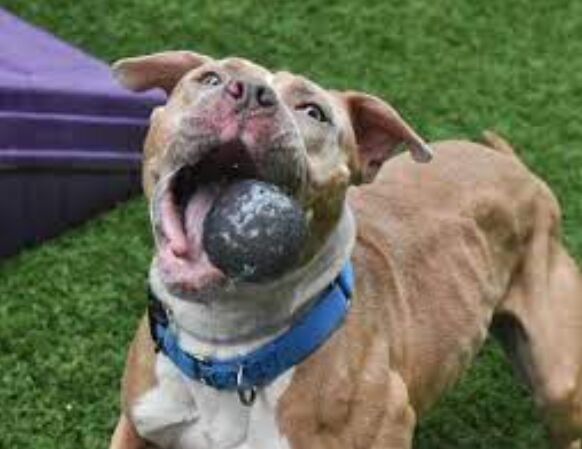
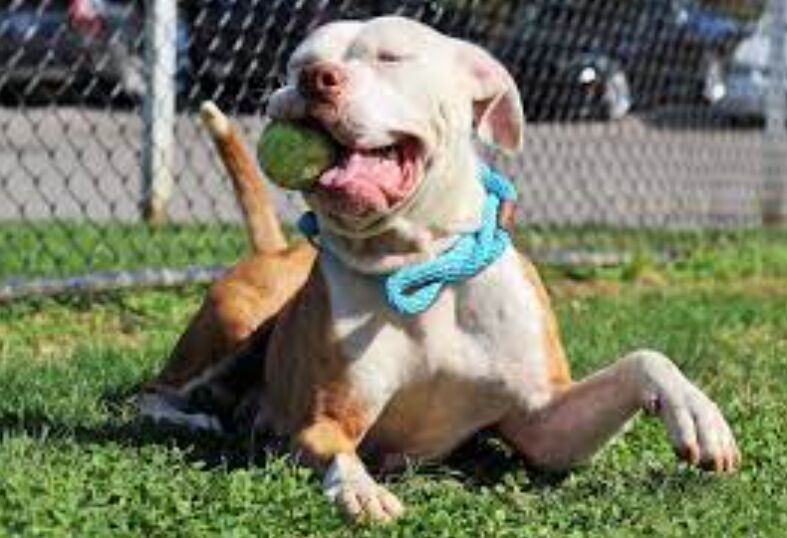
- Fetch and flirt pole: Great for quick sprints; keep sessions short to protect joints.
- Swimming: A low-impact option for hot days or arthritic pups.
- Indoor play: Puzzle toys, tug, or hide-and-seek when weather is bad.
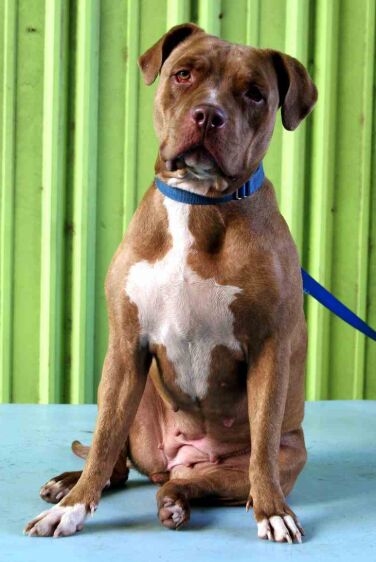
5. Signs Your Dog Needs More Exercise
Restlessness, destructive behavior, weight gain, or hyperactivity may indicate that your dog isn’t getting enough physical activity. Addressing these signs with regular exercise can greatly improve their well-being.
Also watch for over-exercise cues like excessive panting, limping, or reluctance to move. Ease up and offer water breaks when you notice fatigue.
6. Exercise Tips for Different Seasons
In hot weather, exercise your dog early in the morning or late in the evening to avoid heat. In cold weather, consider protective gear like coats or booties. Indoor activities can be a great option for extreme weather.
Check pavement with your hand—if it’s too hot for you, it’s too hot for paws. In winter, rinse and dry paws after salty sidewalks to prevent irritation.
7. Warm-Ups, Cool-Downs, and Safety
- Start with 5 minutes of loose-leash walking before intense play.
- End sessions with slow strolling and light stretching to prevent stiffness.
- Carry fresh water and a collapsible bowl for outings over 20 minutes.
- Use a reflective harness and leash for early or late walks.